
Overview
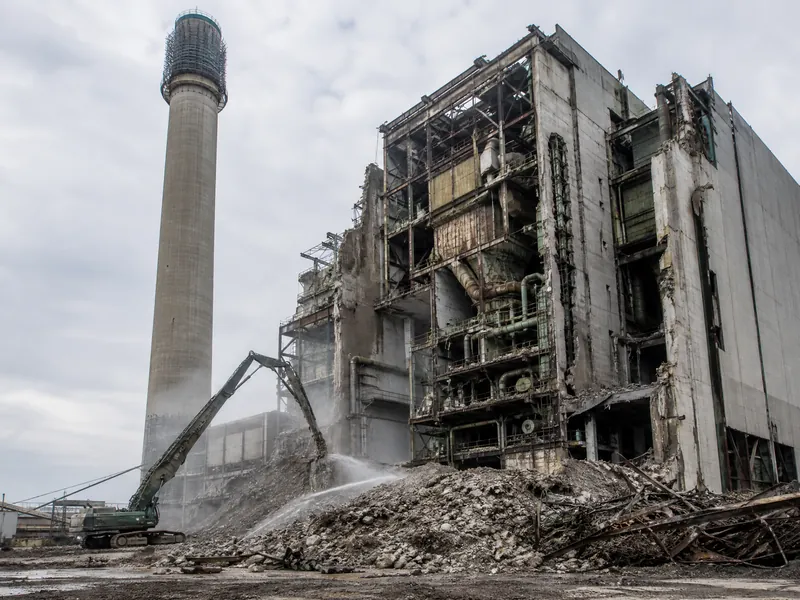
We manage the complete deconstruction of reactor buildings, distillation columns, pipe racks, and storage terminals, ensuring that every phase of the wrecking process is tightly controlled. Our specialized crews are trained to navigate the severe risks associated with residual corrosive, toxic, and reactive substances, integrating rigorous abatement protocols with heavy industrial teardowns. By systematically dismantling the infrastructure and maximizing the recovery of valuable scrap metals, we transform obsolete chemical manufacturing sites into safe, cleared land ready for redevelopment, while strictly shielding the facility owner from environmental liabilities.
The work
Comprehensive Decommissioning and Hazard Mitigation
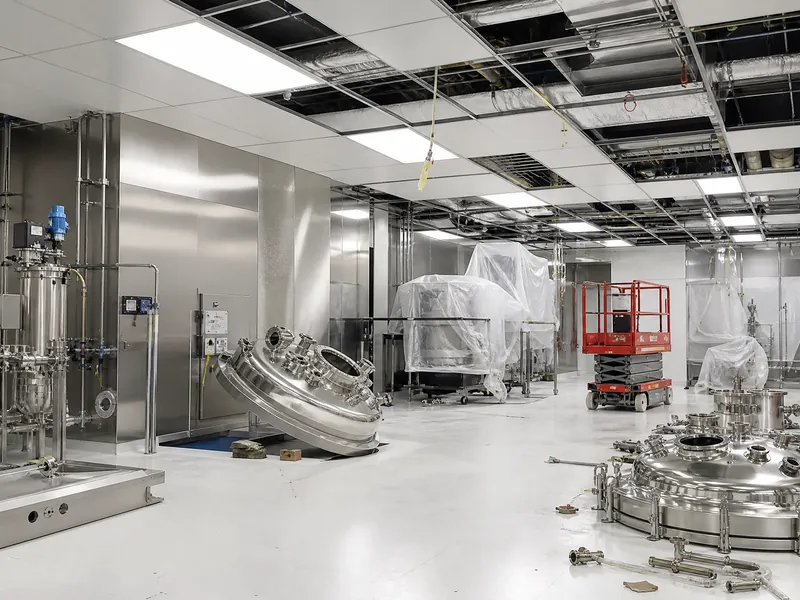
The deconstruction of a chemical manufacturing facility requires an exhaustive pre-demolition engineering phase to mitigate severe environmental and safety risks. Our project managers and engineers conduct detailed site surveys to map the entire process infrastructure, identifying all vessels, piping networks, and containment areas. We review the facility's historical chemical inventory to anticipate the presence of residual acids, caustics, solvents, and reactive compounds that dictate our approach to the teardown.
Before any structural dismantling occurs, we implement rigorous hazard mitigation protocols. This includes verifying the complete isolation, draining, and purging of all process lines and equipment. We establish strict exclusion zones and utilize specialized containment systems to prevent the migration of any residual contaminants. By prioritizing thorough decommissioning and environmental controls, we ensure that the subsequent heavy wrecking operations can proceed safely, protecting our personnel and the surrounding community from the unique dangers of chemical plant demolition.
Method and sequence
Specialized Dismantling of Process Equipment and Structures
Chemical plants are characterized by dense, interconnected networks of process equipment that require surgical precision to dismantle. We deploy a fleet of specialized heavy excavators equipped with hydraulic shears, multi-processors, and grapples to systematically deconstruct reactor structures, heat exchangers, and scrubber systems. For towering structures such as distillation columns and exhaust stacks, our crews utilize high-reach demolition equipment and controlled rigging techniques to safely lower massive components to the ground.
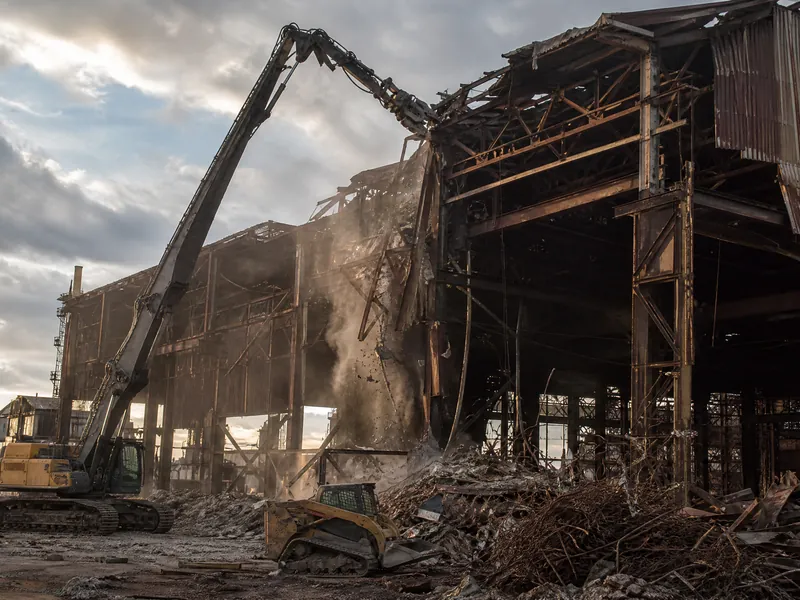
The teardown of pipe racks and utility bridges is carefully sequenced to maintain the stability of the overall structural framework. We employ cold-cutting methods, such as hydraulic shearing and specialized saws, to sever piping and structural steel without generating sparks or excessive heat, which is critical in environments with potential residual flammability. Our methodical approach to industrial dismantling ensures that even the most complex and congested chemical processing units are brought down safely and efficiently.
More scope we cover
Related demolition service lines
Paper Mill Demolition
Industrial Demolition USA provides comprehensive paper mill demolition and decommissioning services for retired…
Cement Plant Demolition
Industrial Demolition USA provides specialized cement plant demolition and dismantling services for retired…
Foundry Demolition
Industrial Demolition USA performs complete foundry demolition, dismantling, and decommissioning for metal…
Hazards and controls
Asbestos Abatement and Environmental Remediation Services
Older chemical manufacturing facilities frequently contain significant quantities of hazardous building materials that must be addressed prior to structural demolition. Our certified abatement teams specialize in the removal and disposal of asbestos-containing materials, which are commonly found in pipe insulation, vessel cladding, and structural fireproofing. We construct negative-pressure containment enclosures and utilize HEPA filtration systems to ensure that airborne asbestos fibers are completely captured during the abatement process.
Beyond asbestos, we manage the remediation of lead-based paints, PCB-containing electrical equipment, and heavy metal contamination. If soil or groundwater contamination is discovered beneath concrete slabs or containment berms, we coordinate the excavation and proper disposal of the impacted materials. All hazardous waste streams are rigorously documented, manifested, and transported to approved disposal facilities. This comprehensive approach to environmental remediation ensures full regulatory compliance and protects the client from long-term liability associated with the retired facility.
Sequence of work
How a project runs, stage by stage
Site walk and survey
We walk the structure with you, review drawings, and record structural condition, live utilities, hazardous materials and salvageable assets before any number is quoted.
Engineering and permits
An engineered demolition plan sets the sequence, exclusion zones and means of collapse. We file local permits and the federal pre-demolition notification, and collect utility isolation sign-offs.
Abatement and pre-clean
Regulated materials come out first under containment with clearance documentation, so the structural phase is never held up by a surprise inside a wall or a pipe chase.
Dismantling and teardown
High-reach machines, shears, torch crews and hand demolition work the sequence top-down or inside-out, with salvage separated as it comes out rather than picked from a mixed pile afterwards.
Processing and haul-off
Steel is sheared and shipped, concrete is crushed for reuse or hauled, and every regulated stream leaves under manifest to a permitted facility.
Grading and closeout
Foundations and slabs come out to the agreed depth, the site is graded and stabilised, and you receive manifests, clearance reports and closeout documentation.
Permits and notification
Storage Tank and Containment System Removal
Chemical storage tank farms and their associated secondary containment systems present a significant demolition challenge due to their size and the potential for concentrated contamination. We approach tank decommissioning by first verifying that all vessels have been thoroughly cleaned and certified gas-free. Our operators then utilize hydraulic shears to systematically cut the steel tanks into manageable sections, eliminating the risks associated with manual torch cutting in confined spaces.
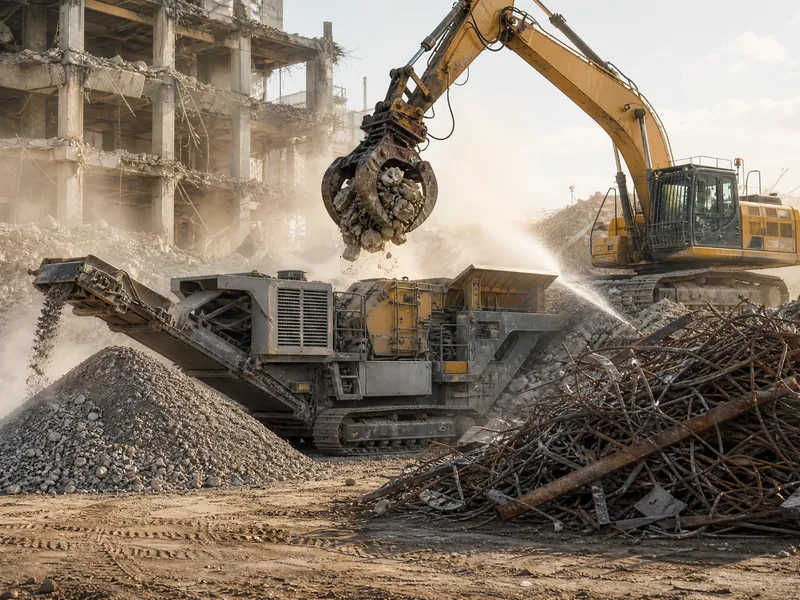
Following the removal of the steel vessels, we focus on the deconstruction of the concrete containment berms, foundational slabs, and underground sumps. Heavy excavators equipped with hydraulic breakers and concrete pulverizers are used to fracture and process the massive concrete structures. The concrete is crushed to separate the reinforcing steel for scrap recovery, and the resulting aggregate can often be reused on-site for grading purposes. This efficient process ensures the complete removal of the storage infrastructure while minimizing waste export.
Salvage and recovery
Scrap Metal Recovery and Salvage Credit Optimization
Chemical plants contain a wealth of valuable metals, including heavy structural carbon steel, stainless steel piping, and exotic alloys used in highly corrosive environments. Maximizing the recovery of these materials is a core component of our demolition strategy. As the facility is dismantled, our crews actively segregate the various metal streams, utilizing mobile shears and material handlers to process the scrap into optimal sizes for transport and recycling.
The financial value generated from this asset recovery process is applied directly as a salvage credit against the overall cost of the demolition project. By leveraging our deep understanding of the scrap metal markets and our network of specialized buyers, we ensure that our clients receive maximum value for their retired infrastructure. This approach not only promotes environmental sustainability through recycling but also significantly reduces the net capital expenditure required to decommission the chemical plant.
Logistics
Final Grading and Comprehensive Project Documentation
The conclusion of a chemical plant teardown involves restoring the site to a safe, stable, and usable condition. Once all above-ground structures and subterranean foundations have been removed, our earthmoving crews perform final site grading. We fill all excavations, compact the soil to required specifications, and establish proper drainage contours to prevent water pooling and erosion. The site is left clean, level, and ready for future industrial development or divestiture.
Simultaneously, we compile a comprehensive project closeout package for the facility owner. This critical documentation includes all environmental disposal manifests, asbestos abatement records, safety logs, and final site surveys. We provide clear, documented proof that the facility was decommissioned and demolished in strict accordance with all federal, state, and local regulations. This meticulous record-keeping provides our clients with the assurance that the project has been successfully completed and all liabilities have been properly extinguished.
In-house trades
Capabilities that run alongside this work
Coverage
Where we take on this work
Common questions
Questions owners and engineers ask
How do you manage the risk of reactive chemicals during the teardown?
We require comprehensive cleaning and purging of all process equipment prior to mobilization. Our engineering team reviews the facility's chemical history and implements strict isolation protocols. We utilize cold-cutting techniques to eliminate ignition sources and maintain continuous environmental monitoring to detect any residual hazardous vapors, ensuring the dismantling process remains completely safe.
What is the process for removing asbestos insulation from chemical piping?
Asbestos abatement is performed by our certified specialists before structural demolition begins. We establish sealed, negative-pressure containment zones around the affected piping and vessels. The asbestos-containing materials are carefully removed, wetted to prevent fiber release, sealed in specialized disposal bags, and transported to licensed hazardous waste landfills under strict regulatory manifests.
Can the concrete from the chemical plant foundations be recycled?
Yes, provided the concrete has not been deeply contaminated by chemical spills. We utilize heavy hydraulic crushers to pulverize the clean concrete foundations and separate the reinforcing steel. The crushed concrete can then be repurposed on-site as structural backfill or grading material, which significantly reduces the costs associated with importing clean fill dirt.
How does the salvage credit impact the cost of the demolition?
The salvage credit directly offsets the gross cost of the teardown. We estimate the tonnage and value of the recoverable ferrous, non-ferrous, and exotic metals during the pre-demolition assessment. This estimated value is deducted from our operational costs, providing the facility owner with a lower, highly competitive net cost for the entire decommissioning project.
Do you handle the demolition of underground chemical storage tanks?
Yes, our comprehensive decommissioning services include the safe excavation and removal of underground storage tanks (USTs) and their associated piping. We manage the entire process, including soil testing, vapor purging, structural extraction, and the remediation of any contaminated soils discovered in the excavation pit, ensuring full compliance with environmental regulations.
Ready to price the teardown?
When your chemical manufacturing facility reaches the end of its operational life, rely on the proven expertise of a heavy industrial demolition contractor. We deliver the specialized equipment, rigorous safety protocols, and environmental compliance required for complex plant decommissioning. Call 954-740-1983 or email electricalequipmentbuyers@gmail.com to discuss your chemical plant teardown and secure a comprehensive project evaluation.