
Overview
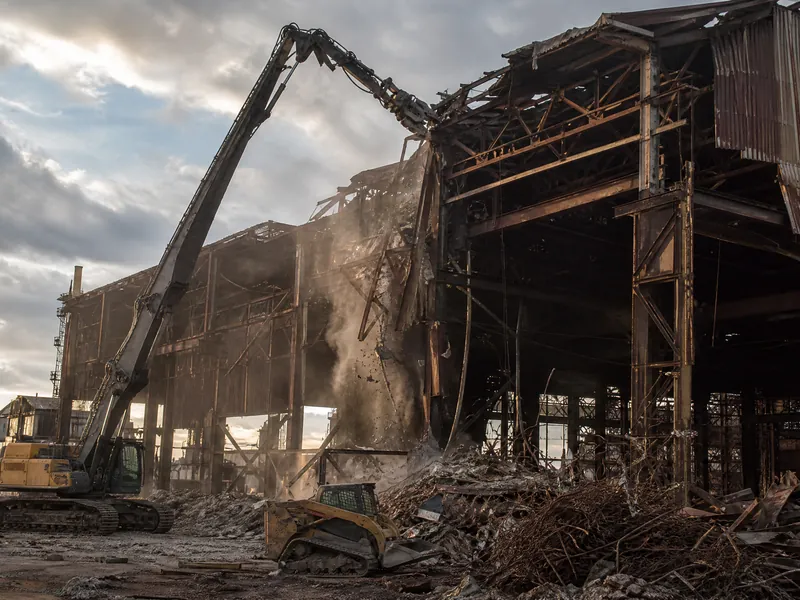
Our crews plan the wrecking sequence around live neighbors, utility isolation, abatement, and haul routes that keep material moving safely. We also separate recoverable steel, nonferrous metal, and reusable aggregate so salvage credit can reduce the net project cost. Clients call us when they need a contractor that can take an industrial site from first notice through final grading and closeout documentation.
The work
Why Pueblo Demolition Takes Planning
Pueblo has a long industrial history tied to steel, rail, cement, aggregate, food processing, and power generation. That mix produces facilities with heavy pipe racks, conveyor galleries, blast-resistant walls, deep equipment pads, and old utility corridors that are not obvious from the street. A plant retirement here usually means more than knocking down a shell. It means mapping process hazards, locked spaces, residual contents, and buried foundations before the first machine starts cutting.
Local site conditions matter as much as the structure itself. Wind can carry dust across open industrial ground, sudden storms can move runoff fast, and large parcels near the Arkansas River corridor need disciplined erosion control. Pueblo also offers useful logistics, with rail access, I-25, and US 50 helping move scrap, concrete, and oversized dismantled components. A workable demolition plan has to reflect all of that from day one.
Method and sequence
How We Sequence A Teardown
Our process starts with pre-demolition investigation, utility tracing, and a building-by-building scope review. We identify what must be removed first, what can stay in service, and where abatement or remediation has to occur before structural work. After that, we establish haul roads, work zones, exclusion areas, and water control measures so the site can support heavy equipment without creating avoidable risk.
The structural phase is staged. First, crews remove loose contents, redundant equipment, and selected interior elements. Next, we dismantle process lines, platforms, and steel using shears, torches, and excavators sized for the structure. Finally, we bring down the main framing, process concrete, pull foundations to the required depth, and rough grade the parcel. That sequence keeps deconstruction controlled and lets asset recovery happen before mixed debris reduces salvage value.
Hazards and controls
Utilities, Abatement, And Site Hazards
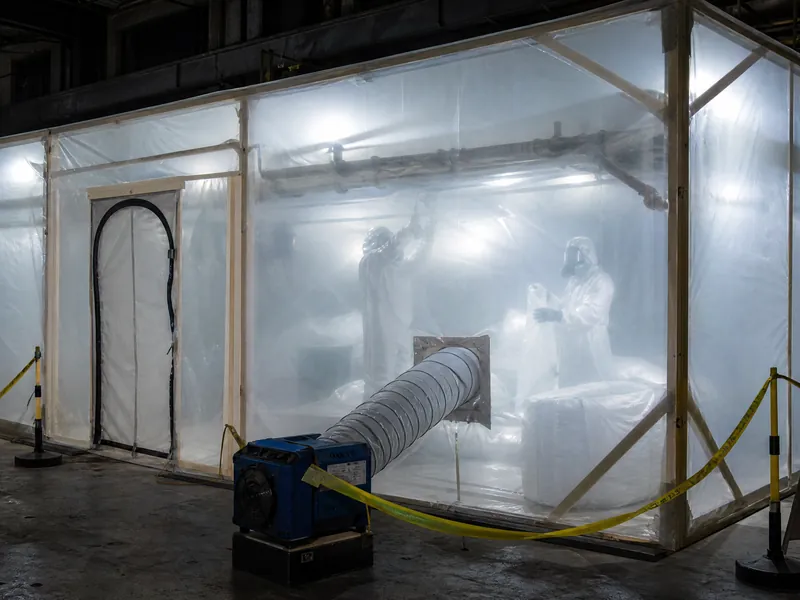
Industrial sites in Pueblo regularly contain electrical feeds, compressed air, water, gas, fire protection loops, and abandoned process piping from multiple generations of use. We coordinate de-energisation, lockout, draining, blinding, and cut-and-cap work before demolition begins. If a client needs selective demolition inside a still-operating property, we separate active systems from retired systems and maintain a written isolation plan so the work does not drift into live service areas.
Abatement and remediation are treated as part of the demolition sequence, not as an afterthought. Older insulation, floor mastics, transite, lead-coated steel, and contaminated soils can change the order of work. We coordinate regulated material removal, containerization, air monitoring where required, and manifest tracking. That approach protects the owner from schedule problems that start when environmental scope and wrecking scope are handled by disconnected teams.
Permits and notification
Material Recovery Across Southern Colorado
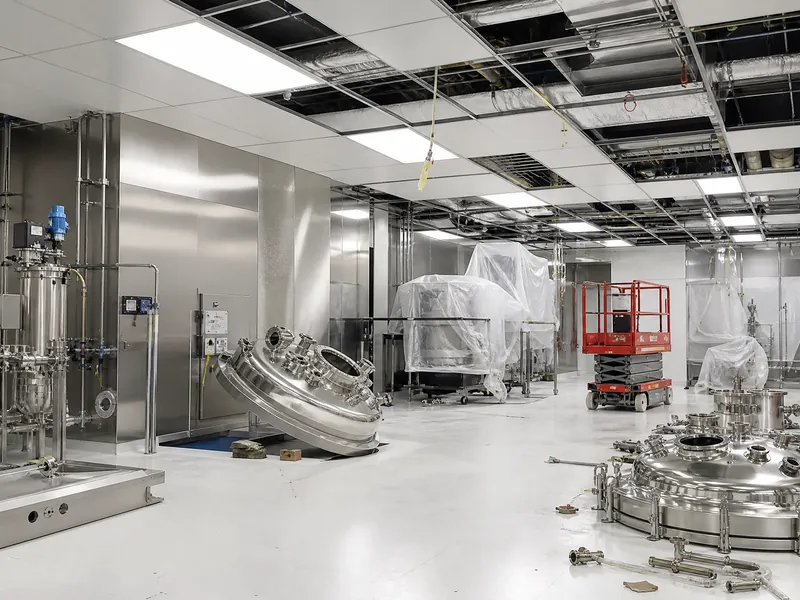
Pueblo is a strong market for steel recovery because heavy ferrous material, plate, structural members, and process equipment can often be sorted efficiently on large industrial parcels. We separate scrap streams during dismantling instead of waiting until everything hits the ground. Clean structural steel, nonferrous wire, stainless, motors, and selected equipment components are staged separately so the salvage credit is documented and applied against project cost.
Concrete and masonry are handled with the same discipline. Depending on the site plan, we can crush concrete for fill or haul it to appropriate outlets, while keeping reinforcing steel out of the aggregate stream. That matters on cement and aggregate sites where volume is high and trucking costs can distort the budget. We cover Pueblo directly and support similar industrial demolition work in Denver and elsewhere along Colorado's Front Range and southern rail corridor.
Salvage and recovery
Permits, Notices, And Project Closeout
Industrial demolition in Pueblo typically requires coordination with local permit offices as well as state environmental oversight. We prepare scopes and schedules that account for Colorado demolition permit requirements, utility releases, haul considerations, and the federal NESHAP asbestos notification when regulated material is present. For state environmental matters, we work within the framework of the Colorado Department of Public Health and Environment, including waste handling and air-quality related obligations tied to the project.
At closeout, the client should receive more than an empty lot. We provide final grading to the agreed endpoint, waste and recycling manifests, load documentation, and records showing what was dismantled and removed. If remediation or selective deconstruction was part of the assignment, we carry those records into the turnover package as well. The result is a site that is clearer to redevelop, easier to audit, and not burdened by missing paperwork.
Capabilities
Abatement, remediation and recovery
Common questions
Questions owners and engineers ask
What usually drives industrial demolition cost in Pueblo?
The main cost drivers are structural mass, foundation depth, access for heavy equipment, regulated material removal, and how much segregation is required for salvage and disposal. Rail-served sites and wide open yards can help productivity, but deep concrete, old utilities, and contaminated materials can expand the scope. We account for salvage credit separately so the client sees the net cost clearly.
Can you work around an operating facility on the same property?
Yes. Many Pueblo projects involve retired structures next to active industrial operations. In those cases we define isolation limits, separate traffic patterns, and sequence demolition so plant access, emergency routes, and live utilities remain controlled. Selective dismantling often comes first, followed by heavier structural wrecking after the active interfaces are protected or removed.
Who handles asbestos notification and environmental paperwork?
We handle demolition-side coordination and make sure required notices are lined up before field work starts. That includes the federal NESHAP asbestos notification when it applies, plus project documentation tied to abatement, transport, and disposal. We also align the schedule with CDPHE-related requirements and local permit timing so the owner is not left managing multiple disconnected deadlines.
How do you deal with utilities that were modified over decades?
Older industrial sites rarely match old drawings perfectly, so we verify in the field. Our crews trace services, confirm what is still energized or pressurized, and require lockout, drain-down, or physical separation before demolition starts. That is especially important where abandoned lines cross active systems or where buried feeds run through old process slabs and equipment pads.
What does the owner receive when the job is finished?
Closeout normally includes site grading to the agreed condition, disposal and recycling manifests, haul records, and documentation of asset recovery and salvage credit. If foundation removal depth, backfill, or specific turnover milestones were defined in the contract, we align the final work to those requirements. The goal is a clean handoff for redevelopment, resale, or the next construction phase.
Ready to price the teardown?
If you need industrial demolition in Pueblo, we can plan the teardown, abatement coordination, dismantling, and site clearing around your schedule and permit path. Call 954-740-1983 or email electricalequipmentbuyers@gmail.com to discuss the project scope.