
Overview
Our specialized crews handle the entire process from initial site assessment and utility isolation to structural wrecking and final site clearing. We work in tandem with facility owners to execute complex abatement and remediation projects safely and efficiently.
The work
Managing Complex Industrial Teardowns in Jacksonville
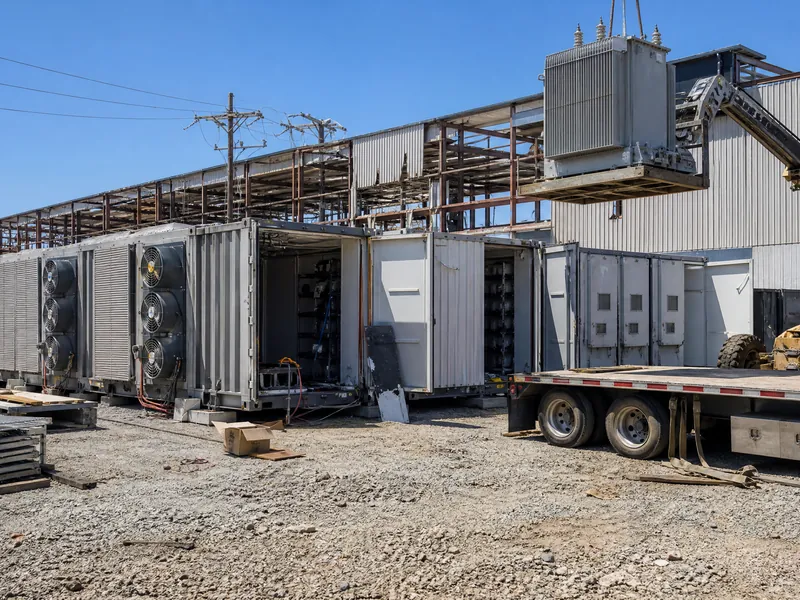
Executing industrial demolition in Jacksonville requires a profound understanding of the local infrastructure and regulatory environment. Our teams are highly experienced in dismantling large-scale phosphate processing plants and retired FPL generating units, utilizing advanced techniques such as high-reach excavation and controlled shearing. We carefully sequence each phase of the teardown to mitigate risks associated with structural instability and hazardous materials. By isolating utilities and establishing secure perimeters, we ensure that the deconstruction process proceeds without incident.
The proximity of industrial sites to active commercial zones and coastal areas in Jacksonville necessitates stringent dust and noise control measures. We deploy specialized equipment to suppress airborne particulates and minimize disruptions to neighboring properties. Our approach to wrecking involves systematic dismantling rather than indiscriminate destruction, allowing for the careful separation of materials. This methodical process not only enhances safety but also maximizes the potential for asset recovery, providing significant value to our clients.
Method and sequence
Asset Recovery and Material Salvage Strategies
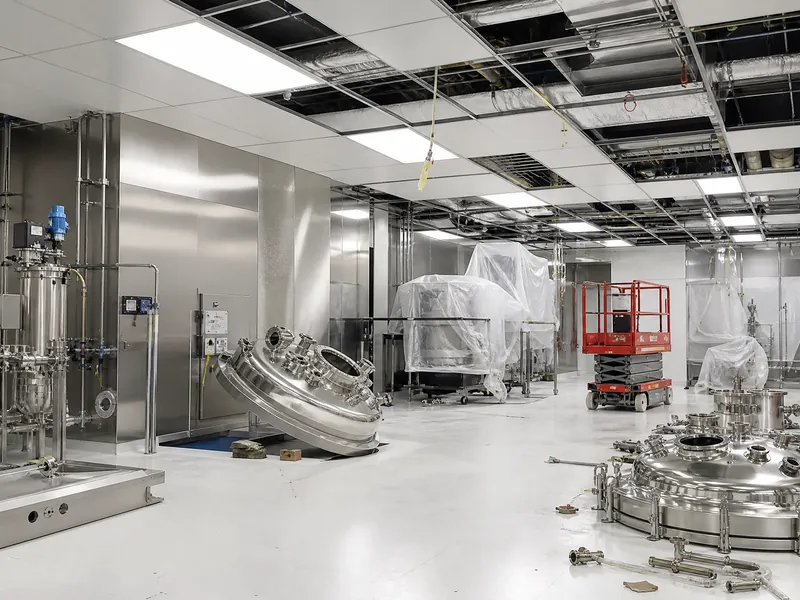
A critical component of our demolition services in Jacksonville is the identification and recovery of valuable assets. During the dismantling of citrus and sugar plants or coastal warehousing centers, we systematically extract machinery, structural steel, and non-ferrous metals. These materials are processed and prepared for the salvage market, generating a salvage credit that directly offsets the net cost of the demolition project. Our expertise in asset recovery ensures that clients receive maximum financial benefit from their retired facilities.
We maintain strong relationships with regional scrap buyers and salvage networks, enabling us to secure competitive rates for recovered materials. The separation of ferrous and non-ferrous metals is conducted on-site, utilizing heavy-duty shears and material handlers. By integrating asset recovery into the overall deconstruction sequence, we streamline the project timeline and reduce the volume of waste destined for landfills. This comprehensive approach to material management is a hallmark of our industrial demolition operations.
Hazards and controls
Navigating Florida DEP Regulations and Permitting
Compliance with state and federal regulations is paramount in every demolition project we undertake in Florida. We work closely with the Florida Department of Environmental Protection (Florida DEP) to secure all necessary permits and submit required notifications prior to commencing work. This includes strict adherence to the federal NESHAP standards for asbestos abatement and the proper handling of hazardous materials commonly found in older industrial structures. Our regulatory specialists manage the entire permitting process, ensuring that all documentation is accurate and submitted on time.
- Initial site assessment and hazardous material identification
- Submission of NESHAP notifications to Florida DEP
- Acquisition of local demolition permits and utility disconnect approvals
- Implementation of approved abatement and remediation plans
- Final site inspection and documentation of material disposal
By proactively addressing regulatory requirements, we prevent costly delays and protect our clients from potential liabilities. Our commitment to environmental compliance is integrated into every phase of the teardown, from initial planning to final site clearing.
Permits and notification
Addressing Specific Structural Challenges
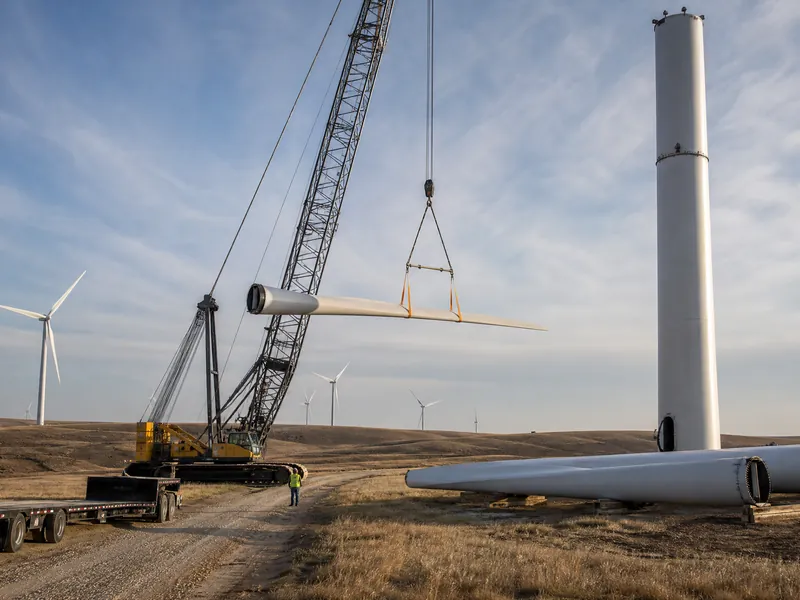
The industrial landscape in Jacksonville presents unique structural challenges that require specialized demolition techniques. Retired FPL oil and coal units often feature massive concrete foundations and heavy steel frameworks that demand powerful equipment and precise execution. We utilize heavy-duty concrete crushers and hydraulic breakers to dismantle these robust structures safely. Our crews are trained to identify load-bearing elements and sequence the wrecking process to prevent uncontrolled collapses.
In addition to heavy industrial facilities, we also handle the deconstruction of expansive coastal warehousing and outdated data centers. These projects often involve the removal of extensive roofing systems and large-span steel trusses, complicated by the effects of coastal salt corrosion. We employ specialized rigging and crane operations to lower these components safely to the ground, where they can be processed for salvage. Our ability to adapt our methods to the specific structural characteristics of each facility ensures that every project is completed efficiently and safely.
Salvage and recovery
Comprehensive Site Clearing and Closeout
The final phase of our industrial demolition process involves comprehensive site clearing and preparation for future use. Once the primary structures have been dismantled and all salvageable materials recovered, our crews focus on removing foundations, slabs, and underground utilities. We utilize heavy earthmoving equipment to grade the site to the client's specifications, ensuring proper drainage and stability. This meticulous approach to site clearing leaves the property ready for redevelopment or sale.
Upon completion of the project, we provide clients with a comprehensive closeout package that includes all necessary documentation. This package contains copies of permits, NESHAP notifications, waste manifests, and records of salvage credits applied to the project. By delivering a fully documented and properly graded site, we provide our clients with the assurance that the demolition has been executed to the highest standards of safety and compliance. Our commitment to thorough project closeout is a key factor in our reputation as a leading demolition contractor.
Capabilities
Abatement, remediation and recovery
Common questions
Questions owners and engineers ask
How do you determine the cost of an industrial demolition project in Jacksonville?
The cost of a demolition project is driven by several factors, including the size and complexity of the structure, the presence of hazardous materials, and the required site grading. We conduct a thorough site assessment to evaluate these variables and develop a detailed project plan. The final net cost is also influenced by the salvage credit generated from recovered materials, such as structural steel and non-ferrous metals.
What is the typical timeline for dismantling a phosphate processing plant?
Project timelines vary significantly based on the scope of work and site-specific conditions. A standard processing plant teardown may take anywhere from a few weeks to several months. The schedule includes time for permitting, utility isolation, abatement, structural wrecking, and final site clearing. We work closely with clients to establish realistic timelines and minimize disruptions to their operations.
Who is responsible for securing demolition permits from the Florida DEP?
As your demolition contractor, we handle the entire permitting process, including submissions to the Florida DEP and local municipal authorities. Our regulatory specialists ensure that all necessary notifications, such as NESHAP asbestos filings, are completed accurately and on time. We manage the regulatory compliance aspect of the project to protect our clients from potential liabilities and delays.
How is the salvage credit applied to the project cost?
During the deconstruction process, we identify and recover valuable materials, such as machinery and scrap metal. The value of these recovered assets is calculated based on current market rates and applied as a salvage credit against the total cost of the demolition. This credit directly reduces the client's net cost, providing significant financial value.
What measures do you take to control dust and noise during the teardown?
We implement comprehensive dust and noise control measures to minimize the impact of our operations on the surrounding community. This includes the use of water cannons and misting systems to suppress airborne particulates, as well as scheduling high-noise activities during appropriate hours. Our crews are trained to execute the wrecking process methodically, reducing unnecessary disruptions.
Ready to price the teardown?
Industrial Demolition USA is ready to execute your next heavy industrial teardown in Jacksonville, Florida. Contact our team today to discuss your project requirements and schedule a comprehensive site assessment. Call us at 954-740-1983 or email electricalequipmentbuyers@gmail.com to get started.