
Overview
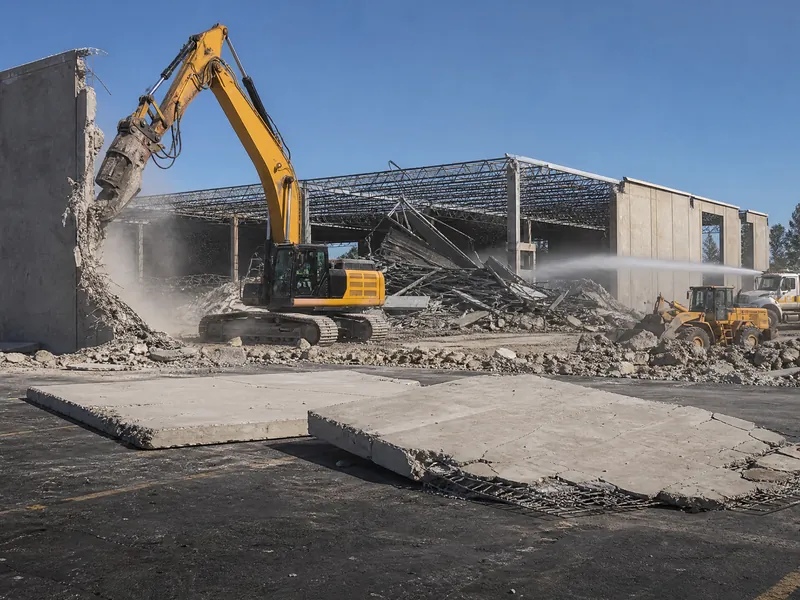
Our team builds the sequence around utility isolation, abatement, salvage recovery, and trucking or barge-adjacent logistics so the job moves without avoidable downtime. We are also set up to support regional work between Bridgeport and New Haven when owners have multiple southern Connecticut facilities. That combination of demolition discipline and documentation is what industrial owners need on older harbor-front properties.
The work
Waterfront Conditions Change The Work
Bridgeport industrial demolition is often influenced by harbor frontage, elevated groundwater, salt exposure, and narrow circulation around older developed parcels. Those conditions affect more than dust control. They change how mats are set, where equipment can travel, how debris is staged, and how quickly exposed steel or cut piping starts to deteriorate once demolition begins. On marine-edge sites, runoff control and debris containment have to be designed into the operation from the start.
Access is another constraint. Many facilities sit near active roads, neighboring businesses, rail lines, or mixed-use districts where swinging a boom carelessly is not an option. We often use a combination of selective hand demolition, machine dismantling, and short-interval hauling to keep the footprint controlled. That is very different from a remote open-field wrecking job, and the schedule has to reflect it.
Method and sequence
Facility Types Common Around Bridgeport
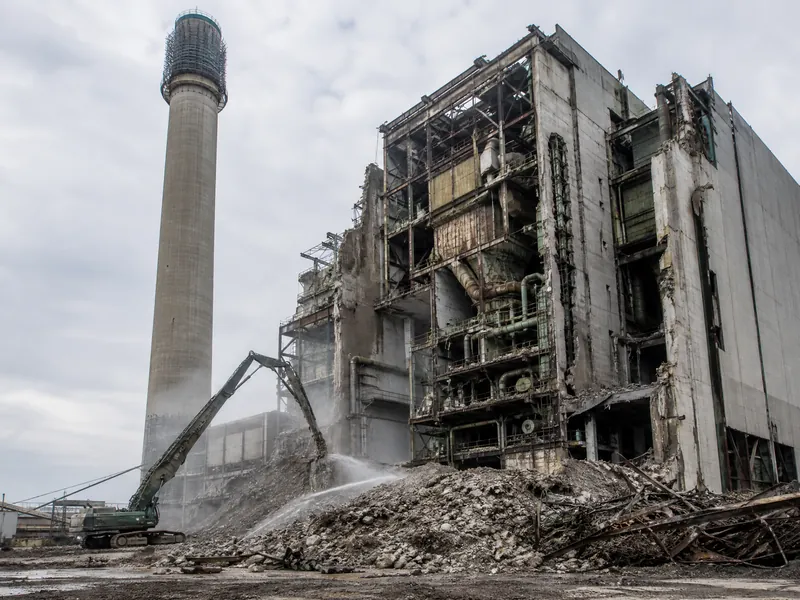
The Bridgeport market includes former manufacturing buildings, machine shops, food and beverage facilities, warehouses, distribution properties, and retired generating infrastructure. These sites regularly contain layered additions from different decades, with older masonry walls tied into later steel frames, mezzanines, rooftop process equipment, and utility corridors that remained in service long after original layouts changed. Demolition has to read the building as it actually stands, not as someone remembers it.
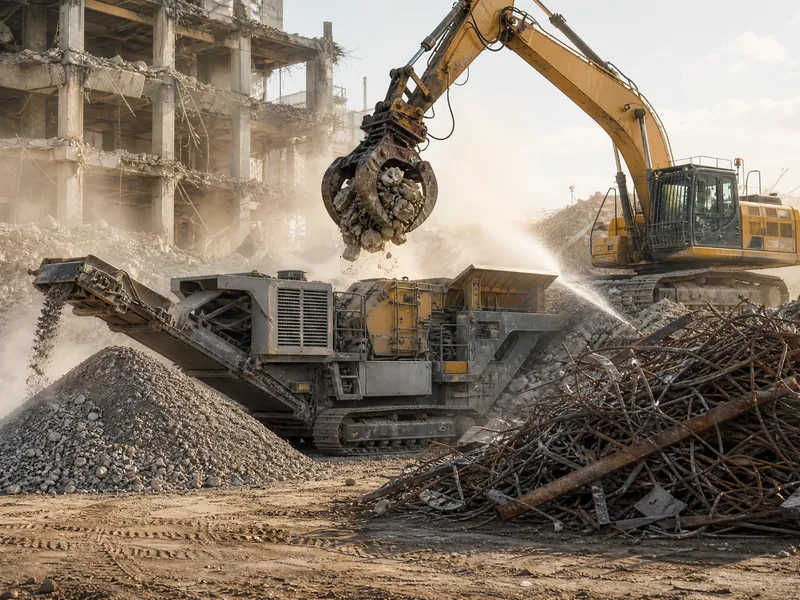
We tailor methods to the structure type. Concrete and masonry units may need progressive mechanical reduction, while steel-framed bays are often better handled through top-down dismantling with shears and processors. If a boiler house, tank farm, or process mezzanine is part of the scope, torch cutting and rigging may lead the sequence before the main shell comes down. That level of adjustment is what keeps deconstruction productive on older Connecticut industrial stock.
Hazards and controls
Abatement Before Heavy Wrecking
In Bridgeport, environmental scope often determines the real start date of demolition. Older coatings, insulation systems, flooring materials, roofing products, and buried site features can require abatement or remediation before heavy equipment touches the structure. We coordinate that work so regulated material removal is integrated with the structural plan, not scheduled in a way that forces crews to stop and restart the teardown repeatedly.
Once abatement is complete, we verify utility releases and move into controlled dismantling. Electrical services, gas, domestic water, fire suppression, and process lines are isolated, documented, and physically confirmed before major demolition starts. If a building remains connected to an active neighboring system, we establish temporary separations and protection details first. That reduces liability for the owner and cuts down on change-order disputes caused by unclear site conditions.
Permits and notification
Moving Scrap And Debris Efficiently
Bridgeport offers useful outbound logistics, but they have to be used intelligently. I-95, the regional rail network, and port-oriented access can help move scrap metal, oversized dismantled equipment, and processed concrete, yet traffic and staging limits can erase that advantage if hauling is not sequenced correctly. We sort ferrous, nonferrous, concrete, and mixed debris as the work progresses so trucks are not waiting on unsorted piles and salvage value is not diluted.
That sorting discipline matters financially. Structural steel, copper-bearing material, stainless, and selected mechanical components can create a meaningful salvage credit when they are recovered cleanly. Concrete and masonry can be processed or directed to suitable outlets depending on the parcel and permit conditions. We document those streams so the owner can see how recovery affected the net demolition cost rather than treating salvage as a vague afterthought.
Salvage and recovery
Connecticut Notices And Final Turnover
Bridgeport projects usually involve local demolition permitting plus environmental coordination under the Connecticut Department of Energy and Environmental Protection. We build the field schedule around municipal approvals, utility sign-offs, transport planning, and the federal NESHAP asbestos notification where it applies. In Connecticut, county-level permitting is not typically the driver; city approvals and state environmental requirements usually control the path to mobilization.
The turnover package is built for an industrial owner, lender, or redevelopment team that may need records later. We provide disposal and recycling manifests, documentation tied to abatement and remediation scope, and a clear record of grading or slab and foundation removal endpoints. When required, we also track selective demolition boundaries and preserved elements. That paperwork is part of finishing the job correctly, not an optional add-on after the equipment leaves.
Capabilities
Abatement, remediation and recovery
Common questions
Questions owners and engineers ask
Are waterfront industrial jobs in Bridgeport more expensive than inland sites?
They often are, because marine-edge parcels can add groundwater management, tighter debris containment, limited staging room, and stricter traffic coordination. Salt-damaged steel and deteriorated roofs can also slow selective dismantling. The exact effect depends on the structure and access, but waterfront conditions usually demand more planning than a similar building on a wide inland parcel.
Can demolition proceed while another building on the parcel stays active?
Yes, if the work zones and utility separations are defined correctly. We often phase projects so one portion of the property remains operational while a retired structure is decommissioned and demolished nearby. That requires clear exclusion areas, verified disconnects, dust and vibration controls, and a sequence that keeps trucks and heavy equipment away from active operations as much as practical.
How are asbestos notices and CT DEEP requirements handled?
We coordinate the demolition schedule with the necessary environmental steps before mobilization. When asbestos is present, the federal NESHAP notification must be addressed, and related abatement documentation has to align with the demolition sequence. We also plan around CT DEEP-related requirements and local permit timing so the owner has one coordinated path instead of separate compliance tracks.
What materials usually create salvage credit on a Bridgeport teardown?
Clean structural steel is often the largest contributor, but nonferrous metals, stainless process material, cable, motors, and some mechanical components can matter as well. The key is separating those streams before they are mixed with general debris. On dense sites, careful staging is what preserves recovery value and keeps the salvage credit meaningful against the demolition cost.
Do you remove foundations and slabs or only take down the building?
We can do either, depending on the redevelopment goal. Some owners need the structure removed but keep portions of slab for interim use, while others want deep foundation removal and rough grading for a full reset. We define that endpoint early, because foundation depth, underground obstructions, and backfill quantities can change both schedule and pricing substantially.
Ready to price the teardown?
Bridgeport industrial sites demand careful sequencing, environmental control, and disciplined material handling, and that is the work we do. Call 954-740-1983 or email electricalequipmentbuyers@gmail.com to review your Bridgeport demolition or decommissioning scope.