
Overview
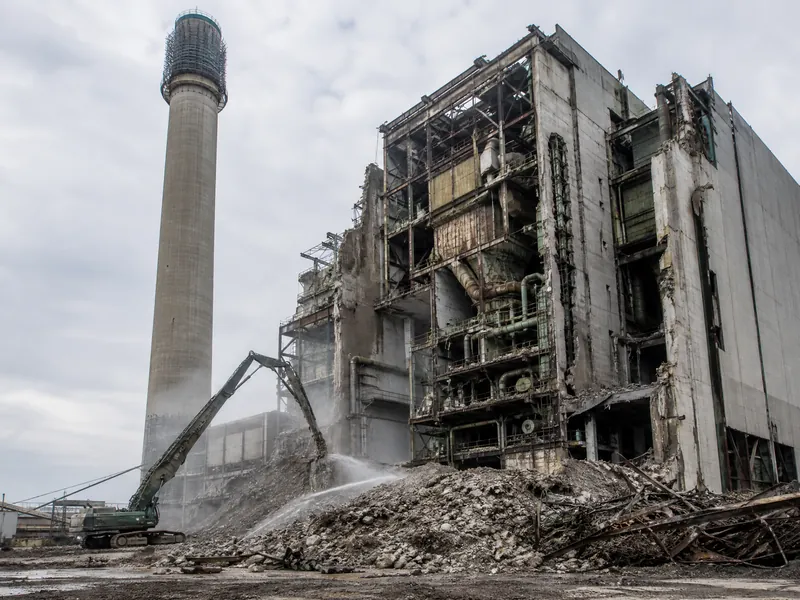
Our crews account for marine fill, old foundations, utility congestion, and the logistics advantages of I-95, I-91, rail, and port access when planning the teardown. We also recover steel, nonferrous metal, and reusable material streams in a way that supports documented salvage credit. Owners across New Haven and the coastal corridor toward Bridgeport call us when they need a demolition contractor that understands industrial closeout, not just building removal.
The work
New Haven's Industrial Mix Matters
New Haven's industrial inventory is broad. A single project can involve older manufacturing space, food and beverage processing areas, distribution buildings, bulk storage improvements, utility structures, and concrete-heavy aggregate support facilities. The challenge is that these properties were often expanded in phases, leaving mismatched structural systems, partial basements, abandoned pits, and service tunnels that only become obvious during investigation. Good demolition planning has to assume the site contains more than the visible shell.
That reality affects equipment choice and labor mix. Some buildings are open enough for efficient machine dismantling, while others need interior strip-out, torch work, or selective deconstruction before the main frame can be taken safely. On waterfront or rail-adjacent parcels, the work may also need tighter debris control and smaller staging zones than a comparable inland site. We plan for those differences up front instead of discovering them after mobilization.
Method and sequence
Ground Conditions And Access Constraints
New Haven demolition is shaped by location. Near the harbor, sites may sit on fill, soft ground, or areas with a high water table, which affects equipment bearing pressure, excavation strategy, and how foundations are removed. Move inland and you can encounter denser urban edges, tighter turning radii, and harder subsurface conditions that change production rates. The job is not just about the structure overhead. It is also about what supports the machines and where trucks can actually move.
The city does offer strong logistics. Interstate access, freight rail, and port connections can help move scrap and debris efficiently when the sequence is organized well. The opposite is also true: if staging is poor, trucks stack up and recovery suffers. We establish haul timing, debris zones, and protection measures early so the site works like an industrial project instead of turning into a traffic problem.
Hazards and controls
From Isolation To Structural Reduction
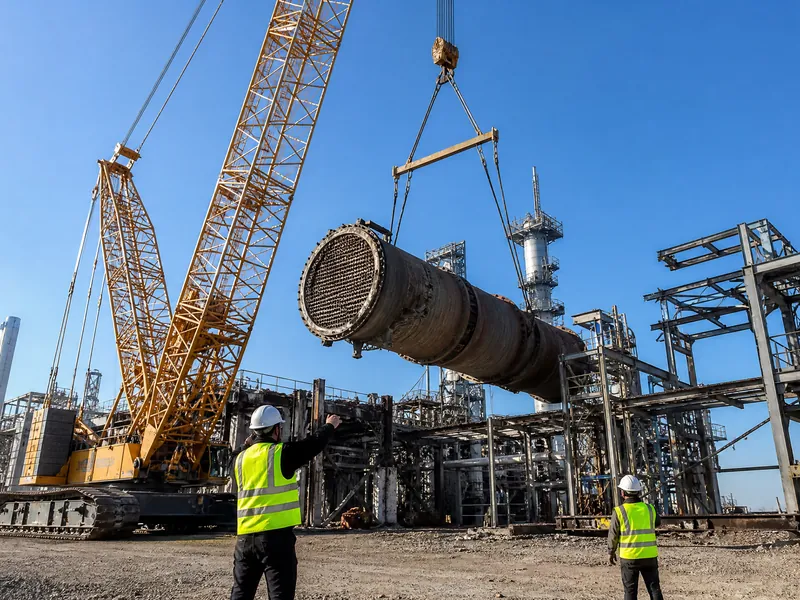
Our demolition sequence in New Haven begins with shutdown planning and utility separation. We verify the status of electrical service, gas, water, steam, process piping, fire protection, and any shared systems that cross between active and retired areas. Once utilities are de-energized or physically isolated, we move into soft strip, equipment removal, and selective dismantling that exposes the structure for heavier machine work.
After that, we reduce the building in controlled stages. Steel framing may be taken down top-down with shears and processors, while concrete process structures are often broken and sorted progressively to keep reinforcing and mixed debris from becoming a single waste stream. If tanks, mezzanines, or elevated conveyors are present, rigging and torch cutting can lead the work. That staged approach keeps the teardown deliberate and preserves salvage opportunities before material is buried in rubble.
Permits and notification
Environmental Scope And State Oversight
Regulated material is common on older New Haven industrial properties, so abatement and remediation often define the critical path. Roofing systems, pipe insulation, mastics, coatings, and contaminated soils can all change how a demolition contractor must enter the site. We coordinate those scopes with the wrecking plan so environmental work clears the way for demolition instead of creating repeated stop-start conditions in the field.
State oversight runs through the Connecticut Department of Energy and Environmental Protection, and the federal NESHAP asbestos notification must be handled when applicable. Local permitting and utility releases also have to align before structural work starts. We keep those requirements tied to the production schedule and documentation package, because missed notices or unclear manifests can hold up closeout just as easily as a field problem can.
Salvage and recovery
Recovery, Grading, And Documentation
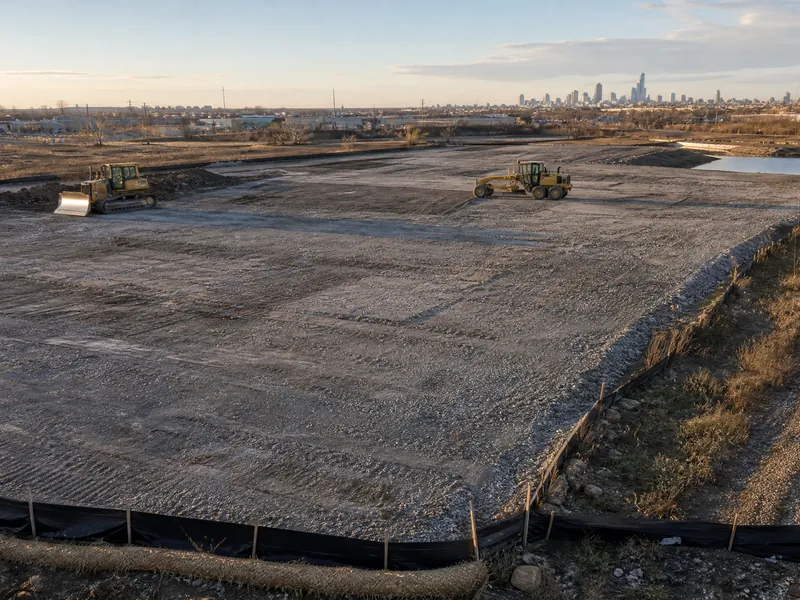
Industrial owners in New Haven usually want three things at the end of a job: the structure gone, the recoverable material accounted for, and the site left in a defined condition. We separate ferrous metal, nonferrous metal, concrete, and mixed debris as demolition progresses so the salvage credit is measurable and not lost in mixed loads. On larger parcels, concrete can be processed strategically to reduce unnecessary haul volume and improve the final grading operation.
The closeout package matters because many of these sites move directly into sale, lease-up, or redevelopment review. We provide manifests, recycling records, and documentation tied to demolition, abatement, and removal endpoints. If slabs, pits, or foundations are being left in designated areas, that should be recorded clearly. We do this work in New Haven and support similar industrial demolition needs in Bridgeport and across the southern Connecticut corridor.
Capabilities
Abatement, remediation and recovery
Common questions
Questions owners and engineers ask
How do harbor conditions affect industrial demolition in New Haven?
Harbor-area sites can introduce soft ground, higher groundwater, tighter runoff controls, and limited staging space. Those factors influence matting, excavation, debris handling, and truck flow. They do not make demolition impossible, but they do change the production plan and can add cost compared with a simple inland parcel with dry access and wide laydown space.
Do you handle plant decommissioning before the structure comes down?
Yes. On many New Haven jobs, decommissioning is the first real phase of work. That can include draining systems, removing residual process material, isolating utilities, taking out selected equipment, and separating active services from retired areas. Doing that work in sequence reduces risk during the later structural demolition and makes salvage recovery more organized.
What permits and notices are usually involved?
The exact package depends on the property, but industrial projects typically involve local demolition permitting, utility releases, waste handling documentation, and the federal NESHAP asbestos notification when required. State environmental oversight runs through CT DEEP. We line those items up with the work plan so the owner is not chasing paperwork after the field schedule has already started moving.
Can salvage really lower the demolition bill on these sites?
It can, if the recoverable material is substantial and sorted correctly. Structural steel, nonferrous metals, cable, stainless components, and selected mechanical items may all contribute. Salvage is not a separate business service here; it is a credit applied against demolition cost when the material can be recovered cleanly and documented without disrupting the safe sequence of work.
What happens after the buildings are down?
After structural removal, we complete the agreed slab and foundation work, manage backfill or rough grading as required, and assemble the closeout records. That package usually includes disposal and recycling manifests plus documentation showing what was removed and how the site was left. For owners moving into redevelopment review, that clarity is often as important as the demolition itself.
Ready to price the teardown?
If your New Haven property needs demolition, dismantling, abatement coordination, or full industrial decommissioning, we can build the sequence around the site's actual constraints. Call 954-740-1983 or email electricalequipmentbuyers@gmail.com to start the review.