
Overview
Our crews handle every phase of the decommissioning process, from initial environmental remediation and hazardous material abatement to structural wrecking and site clearing. We are a dedicated industrial contractor focused on safely bringing down large, complex structures, processing the resulting debris, and recovering valuable scrap metals. Operating throughout the Portneuf Valley, we manage the logistical challenges of high-desert site conditions and stringent regulatory oversight to deliver cleared, build-ready land for future development.
The work
Dismantling Phosphate and Fertilizer Processing Facilities
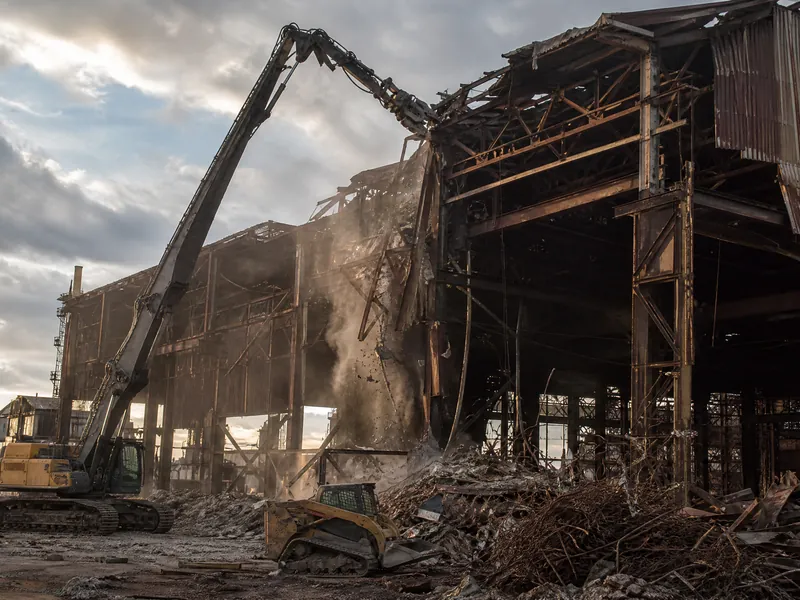
Pocatello has a deep history in heavy industry, anchored by legacy phosphate mining and fertilizer production operations. Tearing down these massive chemical processing plants requires specialized dismantling techniques and rigorous environmental controls. We decommission towering silos, heavy conveyor systems, rotary kilns, and sprawling chemical storage tanks. The structural integrity of these aging facilities is often compromised by decades of exposure to corrosive materials, demanding careful engineering analysis before any wrecking begins.
Our crews utilize high-reach excavators equipped with hydraulic shears and grapples to systematically dismantle steel-framed processing buildings. We sequence the deconstruction to maintain structural stability while safely lowering heavy components to the ground. For facilities with deep concrete foundations and thick containment walls, we deploy heavy hydraulic hammers to break apart the substructures. The proximity of these plants to the Portneuf River means that all demolition activities must incorporate strict runoff controls.
Method and sequence
Managing Subsurface Basalt and Seismic Design Constraints
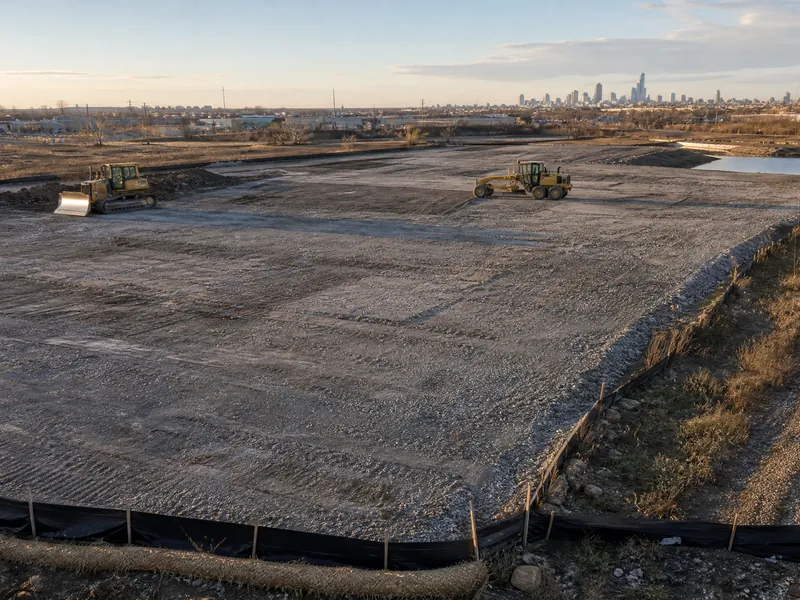
Executing heavy demolition in the Portneuf Valley requires adapting to the specific geological and climatic realities of Eastern Idaho. The region sits within the Intermountain Seismic Belt, meaning that many older industrial structures were built with heavy reinforcement to withstand seismic activity. Taking down these heavily fortified concrete and steel structures requires significant mechanical force and specialized attachments. Furthermore, the subsurface profile often consists of dense basalt and lava rock, which complicates the removal of deep foundations, utility trenches, and subterranean vaults.
The high-desert climate introduces additional operational challenges. Severe freeze-thaw cycles during the winter months can weaken exposed concrete and masonry, altering the planned sequence of a teardown. We adjust our demolition methods to account for these weather-induced structural vulnerabilities. During the dry summer months, high winds sweeping through the valley necessitate aggressive dust control strategies to suppress airborne particulates and maintain visibility.
Hazards and controls
Rail Hub Logistics and Heavy Equipment Mobilization
Pocatello serves as a major hub for the Union Pacific Railroad, and many of the city's industrial sites are directly served by rail spurs. We leverage this rail infrastructure to streamline the mobilization of heavy demolition equipment and the outbound logistics of scrap materials. When decommissioning rail-served warehouses, distribution centers, and locomotive maintenance facilities, we coordinate closely with rail operators to ensure that our wrecking activities do not disrupt active train movements.
The presence of rail access allows us to efficiently load out massive quantities of recovered structural steel and heavy machinery directly onto gondola cars. This reduces the reliance on long-haul trucking and minimizes traffic impact on local Bannock County roads. For sites without direct rail access, we establish efficient trucking routes to transport heavy debris and scrap metal to the nearest processing facilities. Our project managers meticulously plan the logistics.
Permits and notification
Navigating Bannock County Permitting and Idaho DEQ Oversight
Regulatory compliance is a critical component of every industrial demolition project we execute in Pocatello. Before any structural dismantling can commence, we navigate the permitting requirements enforced by the City of Pocatello and Bannock County. This includes securing the necessary demolition permits, coordinating utility disconnect sign-offs with local providers, and establishing approved traffic control plans for heavy equipment movement. We manage the entire administrative process to ensure that the project proceeds without regulatory delays.
Environmental oversight is primarily managed by the Idaho Department of Environmental Quality (DEQ). We strictly adhere to all state regulations regarding the handling and disposal of hazardous materials. A mandatory component of this compliance is the federal NESHAP 10-working-day notification, which must be filed prior to the disturbance of any asbestos-containing materials. Our environmental remediation teams handle the safe abatement of asbestos, lead-based paints, and universal wastes.
Salvage and recovery
Concrete Crushing and Asset Recovery in Eastern Idaho
A major focus of our demolition operations is the efficient recovery and processing of materials to offset the overall cost of the project. We do not buy equipment, but the salvage value of recovered metals is applied as a credit against the client's net demolition cost. In Pocatello, we recover substantial quantities of structural steel, copper wiring, heavy industrial valves, and transformer components. These materials are sorted on-site and routed to regional scrap processing facilities or transported via rail to major steel mills in Utah.
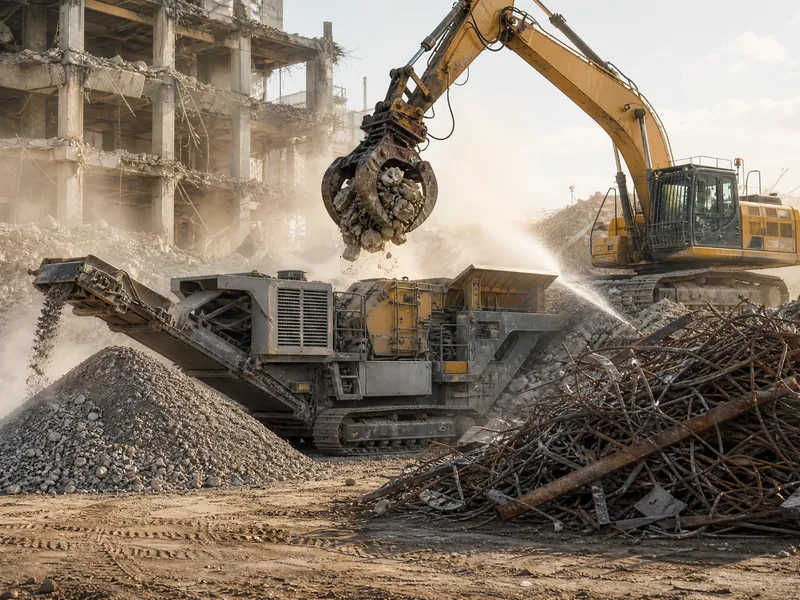
Concrete crushing is another vital aspect of our site clearing process. Rather than hauling thousands of tons of concrete debris to local landfills, we deploy mobile crushing plants directly to the demolition site. We pulverize foundations, slabs, and containment walls into reusable aggregate. This crushed material is often left on-site to backfill voids, stabilize the soil, and grade the property.
Logistics
Extending Heavy Wrecking Operations Across the Snake River Plain
While our operations are heavily concentrated in the industrial sectors of Pocatello, our demolition capabilities extend throughout the Snake River Plain and across the state. We routinely mobilize our specialized crews and heavy equipment to tackle complex decommissioning projects in neighboring industrial centers. Whether we are dismantling a retired food processing plant in Idaho Falls or clearing a massive distribution center in Boise, we bring the same level of technical expertise and rigorous safety standards to every job site.
Our regional coverage allows us to efficiently manage multi-site decommissioning programs for large corporate clients. We maintain a robust fleet of high-reach excavators, loaders, and specialized attachments that can be rapidly deployed across Idaho. By centralizing our project management and standardizing our operational procedures, we ensure consistent execution and regulatory compliance regardless of the specific location. Industrial Demolition USA stands ready to execute heavy wrecking projects.
Capabilities
Abatement, remediation and recovery
Common questions
Questions owners and engineers ask
What is the timeline for clearing a retired manufacturing plant in Bannock County?
The duration of a teardown depends entirely on the scale of the facility and the complexity of the required environmental remediation. A standard warehouse might be leveled and cleared in a few weeks, while a sprawling chemical processing plant with deep basalt foundations and extensive hazardous material abatement can take several months. We develop a detailed project schedule during the initial site assessment.
How do you manage environmental remediation alongside structural teardowns in the Portneuf Valley?
Environmental remediation is fully integrated into our decommissioning process and must be completed before heavy wrecking begins. Our specialized crews handle the abatement of asbestos, lead-based paints, and other hazardous materials in strict accordance with Idaho DEQ regulations. We establish negative pressure enclosures and utilize specialized filtration systems to prevent the release of contaminants. Once the hazardous materials are safely removed, we transition into structural dismantling.
Where does the recovered structural steel from Eastern Idaho demolition sites go?
We meticulously sort and process all recovered metals directly on the job site. Heavy structural I-beams, plate steel, and rebar are sheared to manageable sizes and loaded onto trucks or rail cars. Given Pocatello's excellent rail connectivity, much of this ferrous scrap is transported via the Union Pacific network to large-scale electric arc furnace steel mills in Utah or the Pacific Northwest for recycling.
Are you equipped to decommission rail-served distribution centers near the Union Pacific yard?
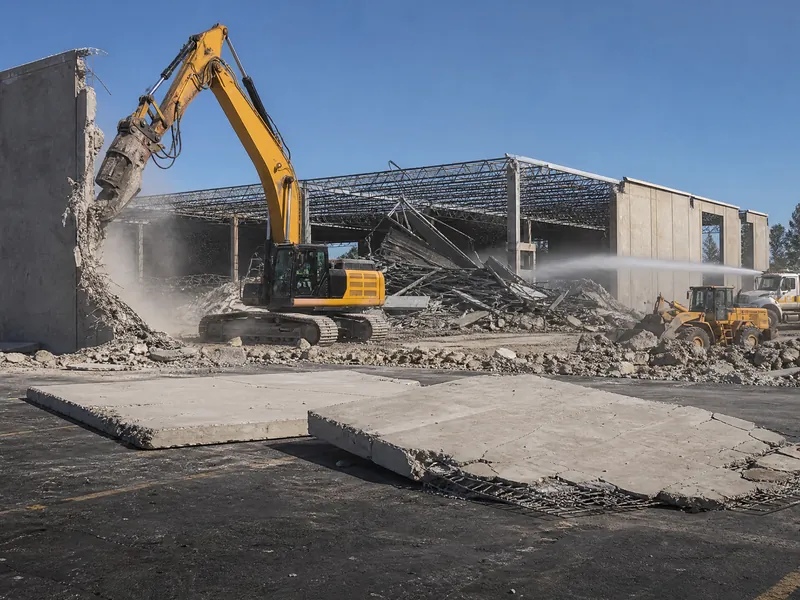
Yes, we have extensive experience dismantling structures located adjacent to active rail lines. Decommissioning rail-served facilities requires precise logistical coordination to ensure that falling debris and heavy equipment movements do not interfere with train traffic. We implement strict safety setbacks, utilize high-reach excavators for controlled dismantling, and coordinate our operational schedule with the rail operators to maintain a safe working environment.
How is the cost of a heavy industrial wrecking project calculated when valuable metals are present?
The total cost of a teardown is determined by the labor, equipment, and disposal fees required to safely dismantle the structures and clear the site. When a facility contains significant quantities of recoverable metals, we calculate the current market value of those materials. This salvage value is then applied directly as a credit to the project, which offsets the gross expenses and reduces the client's net cost.
Ready to price the teardown?
Industrial Demolition USA provides the heavy equipment, personnel, and technical expertise required to execute complex industrial teardowns in Pocatello and throughout Eastern Idaho. We manage every aspect of the decommissioning process, from permitting and abatement to structural dismantling and site grading. To discuss your facility retirement and schedule a site evaluation, call us at 954-740-1983 or email electricalequipmentbuyers@gmail.com.