
Overview
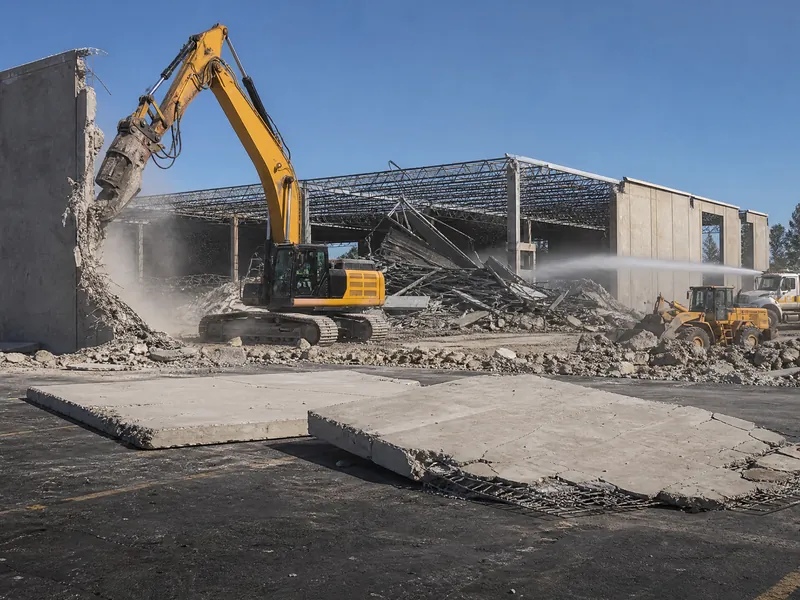
We execute structural takedowns that clear the way for modern warehouse and distribution redevelopment across the region. Navigating the dense urban footprint of Cook County demands precise engineering controls to manage dust, vibration, and noise. Every phase of the dismantling process is engineered to protect adjacent operations and municipal infrastructure. From isolating utility feeds at food processing plants to dropping heavy structural steel, our methods prioritize controlled descent and systematic material segregation.
The work
Taking Down South Suburb Refineries And Chemical Plants
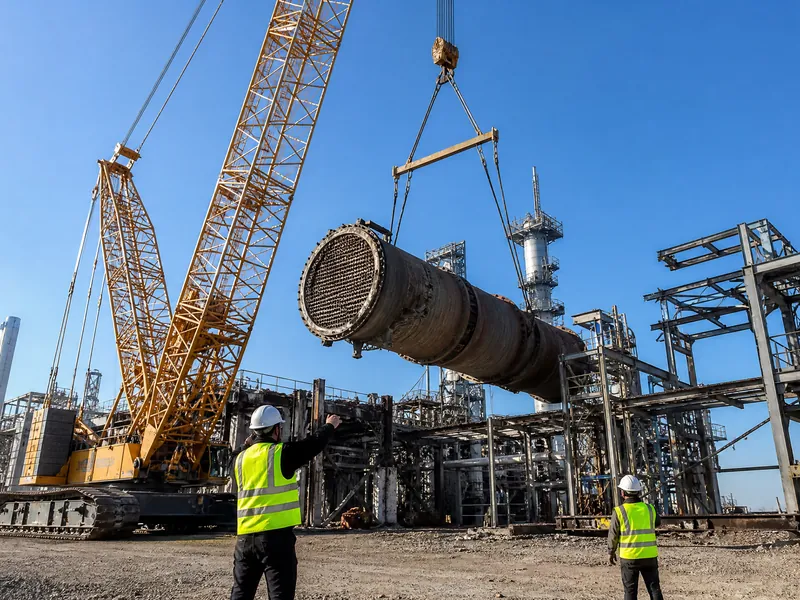
Dismantling petrochemical infrastructure in the Chicago south suburbs involves navigating intricate piping networks, massive storage tanks, and heavily reinforced processing units. Our heavy industrial demolition contractors deploy specialized shears and grapples to systematically reduce these towering structures into manageable sections. Before any structural steel is cut, crews meticulously isolate hazardous zones and verify all lines are purged. We coordinate closely with the Illinois EPA to ensure environmental containment protocols are strictly enforced. Filing with the Illinois EPA involves submitting detailed work plans that outline our methods for capturing runoff and managing regulated materials. By utilizing high-reach excavators equipped with rotating shear attachments, we safely dismantle distillation columns from a distance. This mechanical approach minimizes the need for personnel to work at height. The resulting scrap metal is carefully segregated on-site, maximizing the salvage credit that ultimately reduces net cost for the facility owner. Every step is calculated to maintain absolute control over the structural integrity.
Method and sequence
Clearing Steel Finishing Facilities And Rail Yards
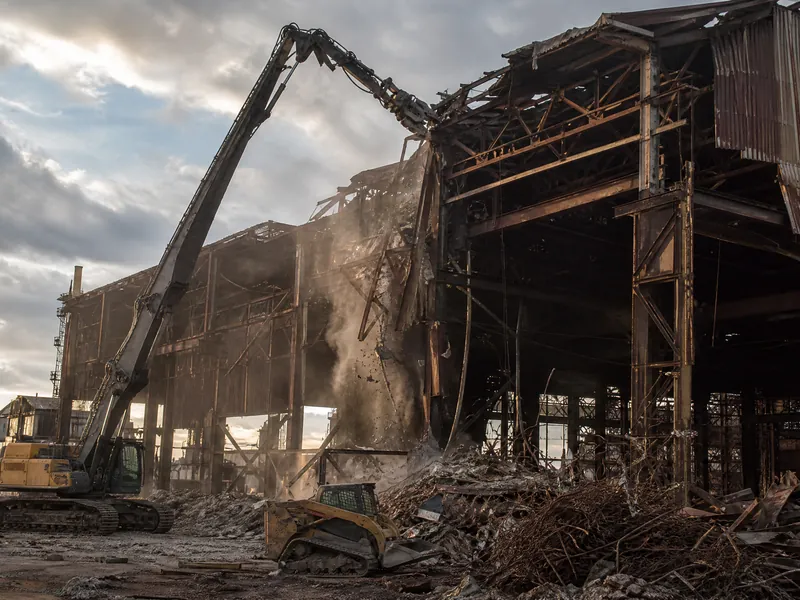
Chicago's legacy as a manufacturing powerhouse left behind massive steel finishing plants and sprawling rail yards that now require specialized dismantling. Tearing down these heavy-duty structures means dealing with thick concrete foundations, heavy crane runways, and immense structural steel frameworks. Our operators utilize hydraulic hammers and concrete pulverizers to break apart the robust footings that once supported heavy rolling mills. When clearing rail yards, we systematically remove miles of track and switchgear while preserving the underlying grade. The sheer scale of these Chicago facilities demands a fleet of heavy excavators working in tandem. We separate ferrous and non-ferrous metals directly at the demolition face, ensuring valuable structural steel is recovered. This rigorous sorting process generates a substantial salvage credit, which is credited against project cost to improve the overall financial outcome. Dust suppression cannons are deployed continuously to prevent particulate migration. By methodically dismantling these massive steel structures, we prepare prime industrial real estate for redevelopment.
Hazards and controls
Retiring Downstate Coal Units And Power Infrastructure
Beyond the immediate Chicago area, retiring coal units downstate present unique structural challenges that require heavy industrial demolition expertise. Dismantling power generation facilities involves bringing down massive boilers, towering exhaust stacks, and extensive coal handling infrastructure. Our crews engineer precise felling plans to drop tall structures safely within tight spatial constraints. We utilize controlled mechanical weakening techniques to dictate the exact direction of the fall, ensuring adjacent switchyards remain completely undisturbed. The heavy steel components of the boiler houses are systematically sheared and processed into transportable dimensions. Throughout this process, we maintain strict compliance with Illinois EPA regulations regarding the handling of combustion byproducts. Filing the necessary notifications with the Illinois EPA requires comprehensive documentation of our material handling procedures. We also manage the removal of heavy turbines, extracting valuable alloys that provide a significant salvage credit. Whether working near Peoria or Granite City, our methods ensure these obsolete energy assets are safely removed.
Permits and notification
Dismantling Chicago Food Processing And Manufacturing Plants
Food processing plants across Chicago often feature complex internal architectures, including extensive refrigeration systems, stainless steel piping, and specialized sanitation environments. Tearing down these facilities requires a careful approach to manage the release of trapped gases and the removal of heavy processing equipment. Our crews begin by systematically draining and purging ammonia lines before initiating any structural demolition. We utilize skid steers and compact excavators to navigate tight interior spaces, removing conveyor systems and packaging lines. Once the interior is gutted, heavy machinery moves in to dismantle the exterior shell, whether it consists of reinforced masonry or insulated metal panels.
- Isolating and capping utility connections
- Removing heavy refrigeration compressors
- Processing stainless steel tanks and silos
- Demolishing reinforced concrete loading docks
The recovery of high-grade stainless steel from these plants yields a valuable salvage credit that reduces net cost. Our systematic dismantling process ensures the site is completely cleared of all industrial remnants.
Salvage and recovery
Preparing Sites For Warehouse And Distribution Redevelopment
The demand for modern logistics hubs in Chicago is driving the transformation of obsolete industrial sites into state-of-the-art warehouse and distribution centers. Our heavy demolition services clear the way for this redevelopment by completely removing old factories, warehouses, and their deep foundations. We deploy massive concrete crushers to process slabs, footings, and retaining walls directly on the job site. This crushed material can often be repurposed as engineered fill, reducing the need for imported aggregates. When dismantling multi-story industrial buildings, we utilize high-reach equipment to systematically chew through concrete floors and steel columns, bringing the structure down floor by floor. We carefully manage the logistics of hauling away debris in the congested Chicago traffic, coordinating truck routes to minimize disruption. Every piece of structural steel and industrial machinery is evaluated for its recovery value, ensuring the salvage credit is maximized. By delivering a thoroughly cleared site, we enable developers to immediately commence construction.
Logistics
Managing Environmental Controls And Structural Engineering
Executing heavy industrial demolition in a dense metropolitan area like Chicago requires an unwavering commitment to environmental controls and structural engineering. Before any heavy equipment arrives on site, our engineers conduct exhaustive structural assessments to understand how the building will react as load-bearing elements are removed. We design sequence plans that maintain the stability of the remaining structure at all times, preventing uncontrolled collapses. Managing dust, noise, and vibration is critical when operating near active businesses or sensitive municipal infrastructure. We deploy advanced seismographs to monitor ground vibrations, ensuring they remain well below the thresholds that could damage adjacent properties. Water cannons and localized misting systems are used continuously to knock down dust right at the point of demolition. We also handle the intricate logistics of utility disconnections, working with local Chicago authorities to safely terminate high-voltage electrical feeds and massive water mains. Our comprehensive approach ensures every heavy industrial dismantling project is executed with precision.
Capabilities
Abatement, remediation and recovery
Common questions
Questions owners and engineers ask
What methods are used to dismantle tall structures like exhaust stacks in Chicago?
Tearing down tall industrial structures such as exhaust stacks or distillation columns requires precise mechanical dismantling or engineered felling. For sites with ample clearance, we strategically weaken the base to control the direction of the fall, dropping the structure safely into a designated drop zone. In tighter Chicago environments, we utilize high-reach excavators equipped with hydraulic shears to systematically chew the structure down from the top. This top-down approach minimizes the risk of debris impacting adjacent facilities and allows for continuous processing of the materials.
How does the salvage value of industrial equipment affect the overall project expense?
During the dismantling of heavy industrial facilities, we recover significant quantities of structural steel, copper wiring, and specialized alloys. The value of these recovered materials is calculated as a salvage credit, which is directly credited against project cost. This approach significantly reduces net cost for the facility owner. Our crews sort and process these metals directly on the job site, ensuring ferrous and non-ferrous materials are properly segregated to maximize their market value before transport.
What steps are taken to control dust and vibration during heavy demolition?
Managing environmental impacts is a critical component of our operations, especially in dense urban areas like Chicago. We deploy high-capacity water cannons and localized misting systems to suppress dust directly at the demolition face, preventing particulates from migrating off-site. To manage vibrations, we utilize advanced seismographic monitoring equipment that tracks ground movement in real-time. Our operators adjust their techniques to ensure vibrations remain well below the thresholds that could potentially damage neighboring structures or underground municipal utilities.
Are you equipped to handle the removal of deep concrete foundations and footings?
Yes, removing massive concrete substructures is a core part of our heavy industrial demolition capabilities. We utilize heavy excavators fitted with hydraulic hammers and concrete pulverizers to break apart thick slabs, deep footings, and heavy machine bases. Once the concrete is fractured, we can process it on-site using mobile crushing plants. This crushed concrete can often be left on-site to serve as engineered fill for future warehouse and distribution redevelopment, which helps streamline the site preparation process.
What is required when coordinating with environmental regulators for a dismantling project?
Executing a heavy industrial teardown requires strict adherence to environmental regulations and close coordination with oversight agencies. Filing with the Illinois EPA involves submitting comprehensive work plans that detail our strategies for hazardous material containment, dust suppression, and waste disposal. We must demonstrate exactly how we will manage runoff and prevent any contamination of the surrounding soil or waterways. Our team handles all necessary notifications and permits, ensuring every phase of the dismantling process remains in full compliance.
Ready to price the teardown?
Clearing obsolete industrial infrastructure requires a contractor with the heavy equipment and engineering expertise to handle massive structural teardowns safely. Our crews are ready to dismantle your Chicago facility and prepare the site for its next phase of development. Contact us at 954-740-1983 or email electricalequipmentbuyers@gmail.com to discuss your project and request a comprehensive dismantling proposal.