
Overview
Each project is sequenced around utility isolation, abatement, structural teardown, material segregation, and final site clearing. Because central Iowa sites often combine active neighbors, truck traffic, winter weather, and mixed soil conditions near the Des Moines and Raccoon river corridors, we build methods that protect schedule, safety, and downstream redevelopment.
The work
Where Des Moines Demolition Gets Technical
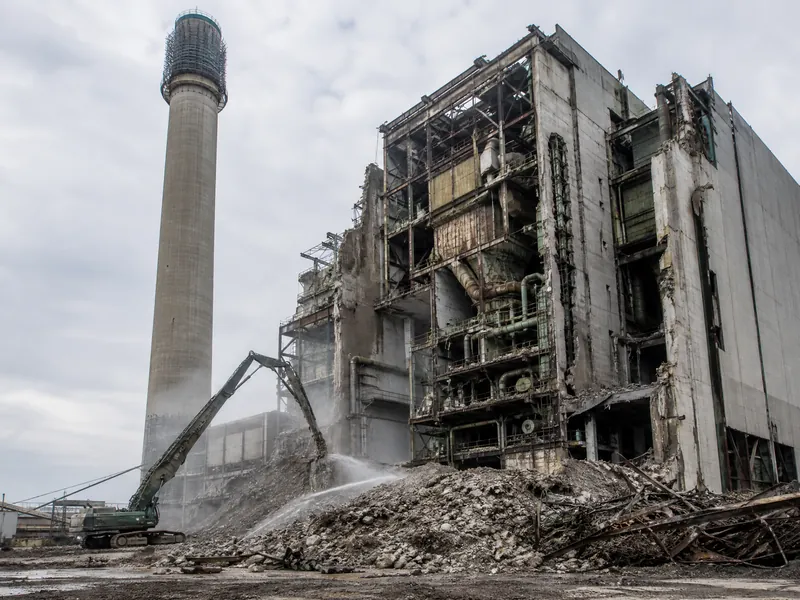
Des Moines industrial work is shaped by the city's mix of food processing, distribution, light manufacturing, and older utility infrastructure. A teardown here may involve tall concrete silos, boiler houses, pipe racks, ammonia refrigeration rooms, process mezzanines, and long-span warehouse roofs tied into later additions. Those structures do not come apart in one motion. They require deliberate dismantling so live utilities, adjacent tenants, and haul routes stay under control.
Ground conditions also matter. Parts of the metro sit on alluvial soils and fill near river corridors, while older industrial parcels can have buried foundations, abandoned lines, and pavement layers from several eras of expansion. Freeze-thaw cycles open slabs and create water movement issues that affect equipment travel and temporary ramps. We account for that before mobilization, selecting access routes, crane pads, and debris staging areas that keep the demolition sequence moving instead of fighting the site.
Method and sequence
Facilities Common Across Central Iowa
In Des Moines, we commonly see demolition tied to regional manufacturing plants, retired generating equipment, grain and ingredient handling areas, bottling or packaging lines, and warehouse campuses with heavy concrete paving. Some jobs begin with interior strip-out and equipment removal. Others require full decommissioning of process systems, including tanks, ductwork, insulated piping, cable trays, boilers, baghouses, and structural steel support frames.
The method depends on the facility type. Food and beverage structures often demand more selective work up front so stainless process equipment, insulated lines, and refrigeration components are separated before structural wrecking starts. Cement, aggregate, and utility sites typically shift sooner into high-reach demolition, shear work, torch cutting, and concrete breakup. In either case, we separate deconstruction from brute-force collapse. That distinction reduces damage to slabs that may remain, limits airborne debris, and improves salvage recovery from steel, copper, stainless, motors, and electrical gear.
Hazards and controls
How We Sequence a Des Moines Teardown
A heavy industrial teardown in Des Moines usually moves through clear stages. First comes pre-demolition planning, utility verification, asbestos inspection, and hazardous material identification. Next we complete de-energisation, lockout, line cutting, and selective removal of process equipment that could create pressure, ignition, or contamination hazards. After that, abatement and remediation crews clear regulated materials so structural demolition can proceed safely.
The structural phase is then matched to the building. High-reach excavators with shears and grapples handle steel frames, elevated conveyors, and reinforced concrete walls. Torch crews may break down thicker vessels and embedded steel. If the job includes deep foundations, pits, or turbine pedestals, we shift into hammer work and concrete processing. Final operations cover grade correction, loading of residual debris, recycling documentation, and haul-off coordination using the Des Moines metro's strong access to I-35, I-80, rail spurs, and regional scrap outlets. That step-by-step treatment keeps the work controlled from first cut to final pass.
Permits and notification
Permits, Notifications, and Local Coordination
State oversight for industrial demolition in Des Moines runs through the Iowa DNR, and asbestos requirements are governed by federal NESHAP rules as well as state implementation. Before structural work begins, the site needs a completed asbestos inspection, required notification where applicable, and a demolition plan that reflects the real scope of abatement and waste handling. If tanks, transformers, refrigerants, or contaminated process residues are present, those issues are handled before the main wrecking phase.
City and county requirements also matter. Owners commonly need local demolition permits, utility disconnect confirmation, haul route planning, and traffic control measures when work affects public streets or alley access. On more constrained sites, nearby businesses, rail interfaces, and stormwater controls can drive sequencing just as much as the structure itself. We build that coordination into the front end so demolition, remediation, and export logistics do not collide halfway through the job.
Salvage and recovery
Salvage Credit and Final Turnover
Des Moines projects often contain recoverable material streams that can offset cost when they are identified early and separated correctly. Structural steel, stainless piping, copper conductors, bus duct, motors, aluminum, insulated cable, and certain process components can produce meaningful salvage credit. That credit is applied against the demolition contract so the owner sees a lower net cost rather than a vague promise about recovery. Concrete can also be crushed for fill or transported as processed material depending on the redevelopment plan and site constraints.
Closeout is more than hauling the last load away. We leave the site with agreed grading, foundation removals or cutdowns as specified, waste and recycling manifests, and documentation covering regulated material disposal. If a parcel is moving directly into redevelopment, we can sequence the final clearing so geotechnical, environmental, or civil teams can step in without delay. We also support regional coverage beyond Des Moines, including work tied to facilities in Davenport and other Iowa industrial corridors.
Capabilities
Abatement, remediation and recovery
Common questions
Questions owners and engineers ask
Do older Des Moines plants usually need an asbestos notification before demolition?
Most industrial sites need an asbestos inspection before demolition, and many require formal notification under NESHAP as implemented through the Iowa DNR. The requirement does not depend on whether the owner expects a total wrecking job or selective deconstruction. If regulated asbestos-containing material is present, abatement has to be sequenced before structural demolition starts.
What drives cost on a Des Moines industrial teardown?
The biggest drivers are structure type, access, abatement scope, utility complexity, foundation removal, and how much material has to be processed on site. A former food plant with refrigeration systems, mezzanines, and buried utilities prices differently than a simple warehouse shell. Haul distance, winter conditions, and floodplain-related site controls can also affect production and trucking.
Can salvage reduce the price of the demolition contract?
Yes. When a site has recoverable structural steel, stainless, copper, motors, or other recyclable material streams, we estimate those values and apply them as a salvage credit against the project. The key is proper segregation and realistic market-based recovery, not mixing recoverable material into general debris and losing the value during the teardown.
Who handles utility disconnects and de-energisation?
We coordinate the sequence, but disconnects are confirmed with the serving utilities and the owner's facility team. Industrial properties often include redundant feeds, abandoned process lines, old gas service branches, and private distribution inside the plant. We verify those conditions before demolition so crews are not exposing live or charged systems during dismantling.
What do we receive when the site is finished?
At closeout, owners typically receive the cleared and graded condition defined in the contract, plus disposal and recycling manifests and other project documentation tied to regulated materials. If foundation removal, slab cutdown, or concrete crushing is included, those items are documented as part of turnover. The goal is a parcel that can move into redevelopment, sale, or further environmental work without loose ends.
Ready to price the teardown?
If you need an industrial demolition contractor in Des Moines, we can scope the decommissioning, dismantling, remediation, and site clearing work from the front end. Call 954-740-1983 or email electricalequipmentbuyers@gmail.com to discuss your Des Moines project.