
Overview
Each job is built around access, floodplain conditions, utility separation, abatement, and controlled export of debris and scrap. In Kansas City, KS, the right plan has to account for dense transportation corridors, older industrial parcels near the rivers, and the permit reality of both state oversight and local approvals.
The work
Riverfront Access Changes the Method
Kansas City, Kansas industrial demolition is strongly influenced by location. Many sites sit near the Kansas River, the Missouri River corridor, rail yards, bridge approaches, or long-established warehouse districts where truck movement is tight and staging space is limited. That matters because production on a demolition site is not just about how fast steel can be cut or concrete can be broken. It is about where machines can stand, how debris exits the parcel, and whether floodplain or drainage controls limit certain areas of the site.
Older river-adjacent properties also bring variable fill, buried utilities, and pavement built in layers over decades of industrial use. We often find old spurs, pits, dock structures, obsolete process lines, or partial foundations left from previous expansions. Those conditions favor a controlled dismantling plan with defined laydown zones, traffic management, and separate handling for clean metal, demolition debris, and regulated waste instead of trying to attack the whole site at once.
Method and sequence
What We Commonly Remove in KCK
Kansas City, KS has long ties to rail freight, warehousing, processing, meat and food operations, distribution, and manufacturing. That mix creates demolition scopes that range from steel-frame buildings with conveyor runs to older masonry or reinforced concrete plants with boiler rooms, pipe bridges, refrigeration systems, and tank farms. We also see large paved sites with truck courts and buried services that add substantial subsurface work after the visible structures are gone.
The right method changes by asset. A warehouse shell may move quickly into high-reach demolition and concrete breakup. A former processing plant usually starts with decommissioning, selective interior demolition, line cleaning, and equipment removal before the main structure is touched. Utility-related properties may require heavier torch cutting, engineered picks, and thicker concrete removal around pedestals and duct banks. We match the means and methods to the structure so demolition production stays high without turning the site into an uncontrolled debris field.
Hazards and controls
Managing Hazards Before Main Wrecking
The most important production decision on a Kansas City industrial project is often what happens before the first structural member is cut. We begin with utility verification, lockout, and physical separation of electrical, gas, water, steam, air, and process lines. On older facilities, it is common to find abandoned circuits that were never fully removed, as well as private underground systems that do not show clearly on old drawings. Those conditions are addressed early so demolition is not chasing surprises.
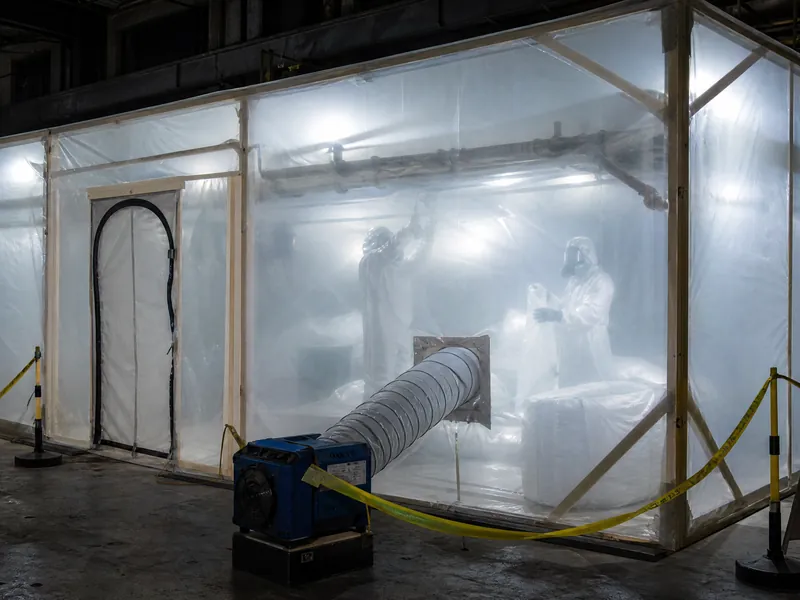
Abatement and remediation are then sequenced around the structure. Asbestos insulation, lead-coated surfaces, refrigerants, oils, and process residues have to be handled before high-reach machines start pulling the building apart. Dust control is especially important near active roads, operating businesses, and transport corridors. We combine wet methods, selective separation, and debris management so the site stays workable for crews, inspectors, and haulers while the teardown progresses.
Permits and notification
KDHE Rules and Unified Government Permits
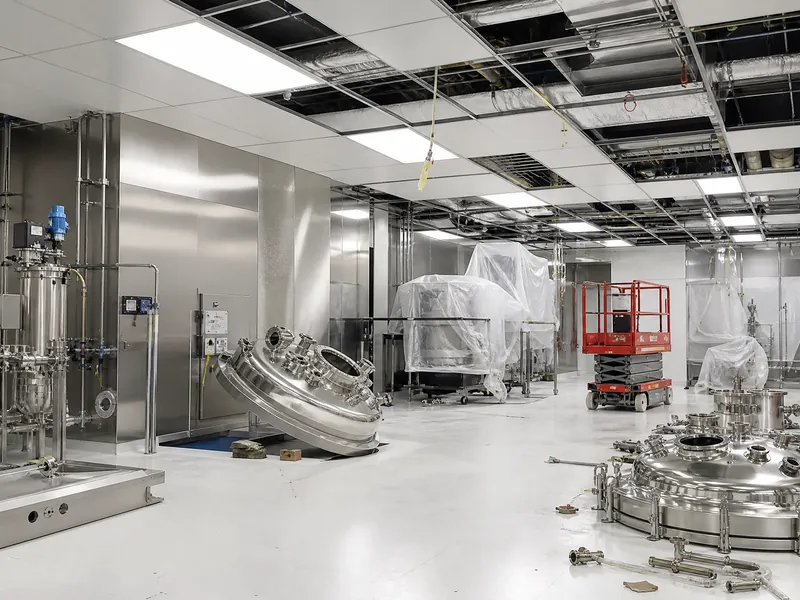
In Kansas, state environmental oversight comes through KDHE, and federal NESHAP asbestos notification requirements remain a central pre-demolition issue. Industrial owners should expect the job to begin with asbestos inspection, notification where required, and a real review of environmental liabilities tied to the structure and its process history. If a site includes tanks, contaminated equipment, or regulated residues, those items cannot be treated as routine demolition debris.
Local permitting adds another layer. In Kansas City, KS, demolition commonly requires coordination with the Unified Government for permits, street impacts, utility documentation, and in some cases traffic or right-of-way controls. Parcels near rail lines, bridges, or active freight routes can require extra planning even when the structural scope looks straightforward on paper. We account for those realities early, because permit timing and site access often control the schedule as much as the demolition work itself.
Salvage and recovery
Recovery Value in a Rail Market
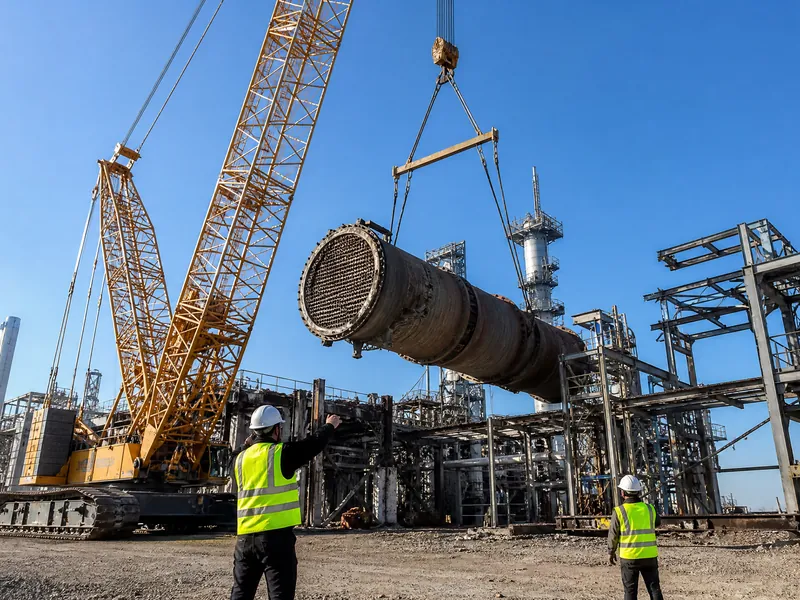
Kansas City is a strong market for material movement, which helps when an owner wants salvage handled correctly. Structural steel, bar joist, deck, copper cable, bus systems, aluminum, motors, stainless process material, and certain mechanical components can provide real recovery value when they are separated cleanly. On substantial concrete sites, we also process slabs, foundations, and walls so the material can be reused as crushed product or moved more efficiently off site.
Salvage is part of the demolition plan, not an afterthought. If it is left too late, good material gets mixed with general debris and the credit disappears. We identify recoverable streams during estimating and apply realistic salvage credit against project cost. That gives the owner a cleaner net number and a better understanding of how dismantling decisions affect value. It is a practical approach for Kansas City work where freight access and regional recycling outlets can materially improve project economics.
Logistics
What Turnover Should Look Like
A finished industrial demolition project in Kansas City, KS should deliver more than an empty lot. The owner should know what was removed, what regulated materials were handled, how recyclable streams were managed, and what remains below grade if full extraction is not in scope. We provide the closeout documentation needed to track disposal, recycling, and completion of agreed demolition and remediation work.
Final field conditions can include rough grading, foundation cutdown, slab removal, pit backfill, or full site clearing depending on redevelopment needs. Some parcels move directly into reuse as truck, warehouse, or manufacturing land, so turnover has to support the next contractor instead of leaving unresolved obstructions. We also support regional work beyond KCK, including facilities tied to Wichita and other Kansas industrial markets where clients need the same disciplined demolition management.
Capabilities
Abatement, remediation and recovery
Common questions
Questions owners and engineers ask
Do river or floodplain conditions affect demolition in Kansas City, KS?
They often do. Sites near the Kansas River or low-lying industrial corridors can have drainage restrictions, softer ground, and tighter staging options, which changes where machines operate and where debris can be stockpiled. Floodplain conditions can also affect timing and erosion controls, so the site logistics plan has to be built before production equipment arrives.
Is a warehouse demolition priced differently than a former processing plant?
Yes. A simple warehouse shell may be driven mainly by steel tonnage, slab removal, and trucking. A processing facility usually has more decommissioning work, more selective demolition, and more environmental issues tied to piping, insulation, residues, refrigeration, or tanks. That added scope changes labor, sequencing, and the amount of documentation required before and during teardown.
How do you handle utility disconnection on older industrial parcels?
We verify service separation with the owner, the serving utilities, and field investigation. Older parcels can contain live feeds, abandoned services, and private distribution that do not read clearly from record drawings alone. We do not rely on assumptions. Utility isolation, de-energisation, and lockout are treated as critical path work before structural dismantling begins.
Can recoverable metal reduce the overall demolition cost?
It can, provided the material is accessible and separated in a way that preserves value. Structural steel, copper, stainless, motors, and certain process components are common candidates for salvage credit in Kansas City work. We evaluate those streams up front and apply realistic recovery value against the contract so the owner sees the effect in the project economics.
What paperwork is usually part of closeout?
Closeout commonly includes waste and recycling manifests, documentation related to regulated material handling, and records of the completed demolition scope. If the job includes concrete processing, foundation cutdown, or grading, those items are reflected in the turnover package as well. The intent is to leave the owner with a usable record, not just a verbal statement that the work is done.
Ready to price the teardown?
Kansas City industrial sites need demolition planning that fits river access, rail logistics, abatement requirements, and redevelopment goals. Call 954-740-1983 or email electricalequipmentbuyers@gmail.com to review your Kansas City, KS demolition project.