
Overview
We manage the complete lifecycle of asset retirement, including environmental remediation, structural deconstruction, and site clearing. Our crews operate with precision in active industrial zones, ensuring minimal disruption to ongoing operations while maintaining strict safety protocols. We handle the complexities of heavy industrial wrecking, delivering cleared, graded sites ready for their next phase of development.
The work
Managing Complex Ohio River Industrial Teardowns
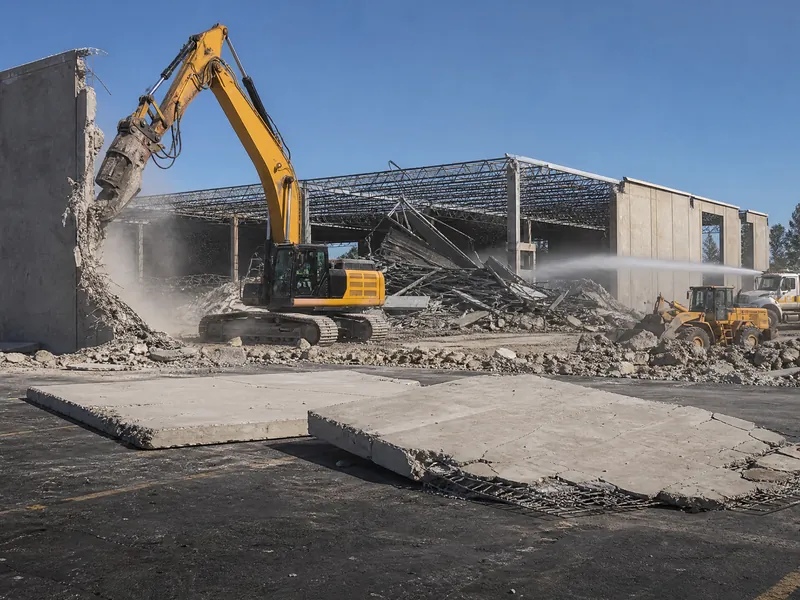
The industrial corridor along the Ohio River in Louisville requires specialized approaches to demolition and dismantling. Facilities such as aging coal-fired power plants and large-scale manufacturing centers often feature massive steel structures, deep concrete foundations, and complex utility networks. Industrial Demolition USA deploys high-reach excavators equipped with hydraulic shears and grapples to systematically dismantle these structures. We engineer the deconstruction sequence to maintain structural stability throughout the process, mitigating risks associated with uncontrolled collapse.
Our methodology prioritizes the controlled separation of materials. We utilize heavy equipment to process structural steel, heavy machinery, and concrete on-site. This approach not only streamlines the physical teardown but also maximizes the recovery of valuable scrap metals. The salvage credit generated from recovered materials is applied directly to offset the net cost of the demolition project. We coordinate closely with local authorities and the Kentucky DEP to ensure all activities comply with environmental regulations, particularly concerning dust suppression and runoff management near the river.
Method and sequence
Decommissioning Distillery and Bottling Facilities
Louisville's rich history in bourbon production means many legacy distilleries and bottling plants eventually require decommissioning or significant structural modification. These facilities often contain specialized equipment, extensive piping networks, and unique architectural elements that complicate the dismantling process. Our crews are experienced in the selective demolition required to remove outdated infrastructure while preserving adjacent structures or historical facades when necessary.
The abatement of hazardous materials is a critical first step in these environments. Older industrial buildings frequently contain asbestos in insulation, roofing materials, and floor tiles, as well as lead-based paints. We conduct thorough environmental remediation prior to structural wrecking, ensuring all hazardous substances are safely removed, manifested, and disposed of in accordance with federal and state regulations. Following abatement, we proceed with the systematic teardown, utilizing torch cutting and mechanical dismantling to process the facility's components safely and efficiently.
Hazards and controls
Automotive Assembly and Aluminum Smelting Plant Retirement
The retirement of automotive assembly plants and aluminum smelting facilities in the Louisville region involves managing vast square footages and heavy industrial infrastructure. These projects require a comprehensive strategy that addresses everything from the removal of heavy stamping presses and assembly line equipment to the demolition of massive structural steel frames and reinforced concrete slabs. Industrial Demolition USA has the capacity and expertise to execute these large-scale plant retirements safely and on schedule.
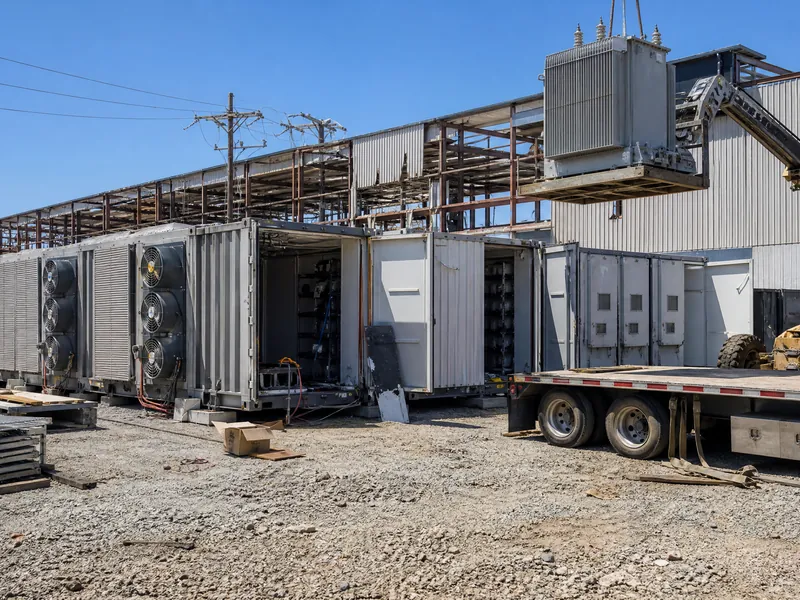
Utility isolation and de-energization are paramount in these complex environments. We work meticulously to identify, cap, and secure all electrical, gas, water, and specialized process lines before any structural dismantling begins. This rigorous approach prevents accidental releases or energization events during the wrecking phase. Once the site is secured, we employ a combination of mechanical demolition and, when appropriate, controlled implosion techniques to bring down large structures safely. The resulting debris is then processed, with concrete crushed for potential on-site reuse as fill, and metals segregated for asset recovery.
Permits and notification
Navigating Kentucky DEP Regulations and Permitting
Executing industrial demolition in Louisville requires strict adherence to the regulatory frameworks established by the Kentucky Department for Environmental Protection (DEP) and local authorities. Industrial Demolition USA manages the entire permitting and notification process, ensuring that all project phases are fully compliant. This includes submitting the required NESHAP notifications for asbestos abatement and securing the necessary demolition permits from the city of Louisville.
Our project management team handles the documentation and reporting required by regulatory bodies. We maintain detailed records of hazardous material manifests, waste disposal receipts, and salvage recovery logs. This comprehensive documentation provides our clients with the assurance that their liability is protected and that the project has been executed in full compliance with all environmental and safety standards. We also coordinate with local utility providers to ensure the proper disconnection and capping of services, a critical step in the pre-demolition phase.
Salvage and recovery
Regional Logistics and Material Recovery Strategies
Louisville's strategic location, with access to the Ohio River, major highways, and rail networks, plays a significant role in the logistics of industrial demolition and material recovery. Industrial Demolition USA leverages these transportation options to efficiently move processed scrap metals and demolition debris off-site. Our asset recovery program is designed to maximize the value of salvaged materials, which include structural steel, copper wiring, and heavy machinery components.
The salvage credit generated from these recovered materials is a key component of our project structuring, directly reducing the client's overall demolition costs. We maintain relationships with regional scrap buyers and recycling facilities to ensure competitive valuation for recovered assets. By efficiently processing and transporting materials, we not only improve the financial outcome of the project but also support sustainable practices by diverting significant volumes of material from landfills. Our crews are adept at segregating materials at the point of demolition, streamlining the recovery process.
Capabilities
Abatement, remediation and recovery
Common questions
Questions owners and engineers ask
How does the salvage credit process work for a demolition project?
During the dismantling and deconstruction phases, we recover valuable materials such as structural steel, copper, and industrial machinery components. The value of these recovered assets is calculated and applied as a salvage credit, which directly offsets the net cost of the demolition services. We handle the processing, transportation, and sale of the scrap, providing transparent documentation of the recovered value.
What is required for environmental remediation before structural wrecking begins?
Before any structural demolition occurs, a comprehensive survey is conducted to identify hazardous materials like asbestos, lead paint, or universal wastes. Our abatement teams then safely remove and dispose of these materials in compliance with Kentucky DEP and federal regulations. This remediation phase is critical to ensure the safety of the site and prevent environmental contamination during the subsequent teardown.
How do you manage utility disconnects at a large industrial facility?
Utility isolation is a rigorous process that involves identifying, tracing, and physically disconnecting all electrical, gas, water, and process lines entering the facility. We coordinate with local utility providers in Louisville to ensure services are properly shut off and capped at the property line or designated points. This de-energization is verified before any dismantling work commences to ensure site safety.
What permits are necessary for industrial demolition in Louisville?
Industrial demolition requires a combination of local and state permits. This typically includes a demolition permit from the city of Louisville, as well as NESHAP notifications submitted to the Kentucky DEP for asbestos abatement. We manage the entire permitting process, ensuring all applications are filed correctly and approvals are secured before mobilizing our crews to the site.
How do you handle site access and logistics in dense industrial areas?
We develop detailed logistical plans that account for site access, traffic flow, and material staging. In dense industrial zones, we coordinate equipment deliveries and material load-outs to minimize disruption to neighboring operations and local traffic. Our project managers utilize Louisville's highway and river access to optimize the transportation of heavy equipment and the removal of processed scrap and debris.
Ready to price the teardown?
Industrial Demolition USA provides the expertise and heavy equipment required for complex industrial teardowns in Louisville and surrounding areas like Ashland and Lexington. Contact our project management team at 954-740-1983 or email electricalequipmentbuyers@gmail.com to discuss your facility decommissioning requirements.