
Overview
We manage the entire asset retirement process, from initial environmental abatement and utility isolation to the final site clearing and grading. Our experienced crews utilize advanced mechanical demolition techniques to safely bring down complex structures while maximizing the recovery of valuable scrap materials. We deliver engineered teardown solutions that prioritize safety, regulatory compliance, and efficient project execution.
The work
Dismantling Coal Preparation and Power Facilities
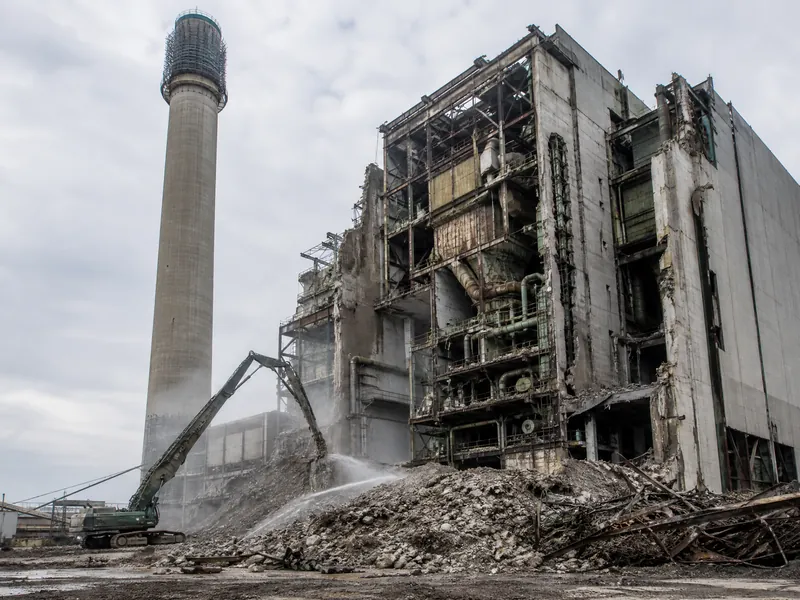
The legacy of coal energy and preparation in the Paducah region necessitates robust demolition strategies for retiring infrastructure. Coal-fired units and preparation plants involve massive steel frameworks, heavy processing equipment, and extensive conveyor systems. Industrial Demolition USA approaches these teardowns with a focus on structural engineering and controlled dismantling. We utilize high-reach excavators and heavy-duty hydraulic shears to systematically cut and process structural steel and heavy machinery.
The deconstruction sequence is carefully planned to manage the immense weight and complex load paths inherent in these facilities. By employing mechanical dismantling techniques, we maintain control over the structure as it is brought down, minimizing risks to personnel and adjacent properties. The recovery of heavy steel and specialized alloys from these plants is a significant component of our asset recovery strategy. The salvage credit generated from these materials is applied to reduce the overall cost of the decommissioning project, providing a financial benefit to the facility owner.
Method and sequence
Environmental Remediation and Asbestos Abatement
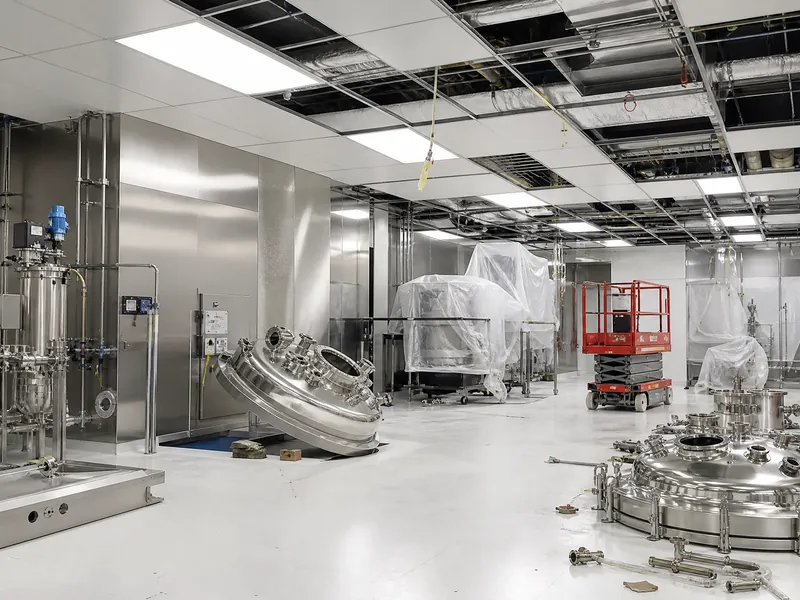
Industrial facilities in Paducah often require extensive environmental remediation prior to structural demolition. Older plants frequently contain asbestos-containing materials (ACM) in pipe insulation, boiler cladding, and roofing, as well as lead-based paints on structural steel. Industrial Demolition USA manages the complete abatement process, ensuring that all hazardous materials are identified, safely removed, and properly disposed of in accordance with Kentucky DEP and federal NESHAP regulations.
Our remediation teams establish secure containment zones and utilize specialized equipment to prevent the release of hazardous fibers or dust during the removal process. All abated materials are carefully packaged, manifested, and transported to approved disposal facilities. This rigorous environmental preparation is essential to ensure that the subsequent wrecking phase can proceed safely and without risk of environmental contamination. We provide our clients with comprehensive documentation of the abatement process, protecting them from future liability.
Hazards and controls
Executing Aluminum Smelting Plant Retirements
The retirement of aluminum smelting facilities presents unique challenges due to the scale of the operations and the specialized nature of the equipment involved. These plants typically feature large potlines, heavy electrical infrastructure, and extensive concrete foundations. Industrial Demolition USA has the heavy equipment and expertise required to execute these large-scale teardowns efficiently. We employ a combination of mechanical demolition and torch cutting to process the massive steel structures and heavy machinery found in smelting plants.
Utility de-energization is a critical phase in these projects, given the high-voltage electrical systems used in aluminum production. We work closely with utility providers and facility engineers to ensure that all power sources are completely isolated and locked out before any dismantling begins. Once the site is safe, our crews systematically dismantle the infrastructure, segregating materials for asset recovery. Concrete structures are often crushed on-site, providing a cost-effective solution for fill material and reducing the volume of debris that must be transported off-site.
Permits and notification
Compliance with Kentucky DEP and Local Regulations
Navigating the regulatory landscape is a fundamental aspect of industrial demolition in Paducah. Industrial Demolition USA ensures full compliance with the Kentucky Department for Environmental Protection (DEP) and local municipal codes throughout the project lifecycle. We handle the preparation and submission of all necessary permits, including demolition permits and environmental notifications. Our team is well-versed in the specific requirements for dust control, noise mitigation, and stormwater management during heavy wrecking operations.
We maintain meticulous records of all project activities, from the initial environmental surveys to the final waste disposal manifests. This documentation is crucial for demonstrating compliance and protecting our clients from regulatory scrutiny. We also coordinate closely with local authorities regarding road closures or traffic modifications that may be necessary during the mobilization of heavy equipment or the transportation of large volumes of scrap and debris. Our proactive approach to regulatory compliance ensures that projects proceed smoothly and without costly delays.
Salvage and recovery
Optimizing Asset Recovery and Site Clearing
Maximizing the value of recovered materials is a core component of our demolition strategy in Paducah. Industrial Demolition USA implements comprehensive asset recovery programs to salvage structural steel, non-ferrous metals, and reusable industrial equipment. Our crews are trained to efficiently segregate these materials during the dismantling process, ensuring they are processed and prepared for transport to regional recycling facilities or scrap buyers. The resulting salvage credit is a critical factor in offsetting the net cost of the demolition.
Following the structural teardown and material removal, we focus on site clearing and preparation. This involves the removal of foundations, slabs, and underground utilities, depending on the client's requirements for the future use of the site. We utilize heavy earthmoving equipment to grade the site, ensuring proper drainage and a stable surface. The final deliverable is a clean, safe, and fully documented site, ready for redevelopment or sale, providing our clients with a seamless transition from asset retirement to future opportunities.
Capabilities
Abatement, remediation and recovery
Common questions
Questions owners and engineers ask
What factors influence the timeline of an industrial demolition project?
The timeline is driven by the size and complexity of the facility, the extent of environmental remediation required, and the specific dismantling methods employed. Extensive asbestos abatement or the need for careful selective demolition around active operations will extend the schedule. We provide a detailed project schedule during the planning phase, outlining the sequence of abatement, utility isolation, structural wrecking, and final site clearing.
How is the value of salvaged materials determined and applied?
The value of salvaged materials, such as structural steel and copper, is based on current market rates for scrap metals. We estimate this value during the initial site assessment and apply it as a salvage credit against the total cost of the demolition services. This transparent process ensures that the client receives the financial benefit of the recovered assets, reducing their net project cost.
Who is responsible for securing the necessary demolition permits?
Industrial Demolition USA takes responsibility for securing all required demolition permits and submitting environmental notifications. We work directly with the city of Paducah and the Kentucky DEP to ensure that all paperwork is filed correctly and approvals are in place before any work begins. This comprehensive management of the permitting process relieves the client of this administrative burden.
What measures are taken to control dust and debris during the teardown?
We implement strict dust suppression protocols, utilizing water cannons and misting systems to control airborne particulates during mechanical demolition and concrete crushing. Debris is actively managed and segregated on-site to maintain a safe working environment and prevent runoff. These measures are designed to comply with environmental regulations and minimize the impact of the wrecking operations on the surrounding area.
How do you handle the removal of deep concrete foundations?
The removal of deep concrete foundations involves the use of heavy excavators equipped with hydraulic breakers and pulverizers. We systematically break apart the concrete structures, separating the reinforcing steel for scrap recovery. The remaining concrete can often be crushed on-site to a specified aggregate size, which can then be used as backfill to grade the site or transported for recycling.
Ready to price the teardown?
Industrial Demolition USA delivers engineered dismantling and heavy wrecking solutions for industrial facilities in Paducah and neighboring cities like Louisville and Lexington. Reach out to our team at 954-740-1983 or email electricalequipmentbuyers@gmail.com to initiate planning for your plant retirement project.