
Overview
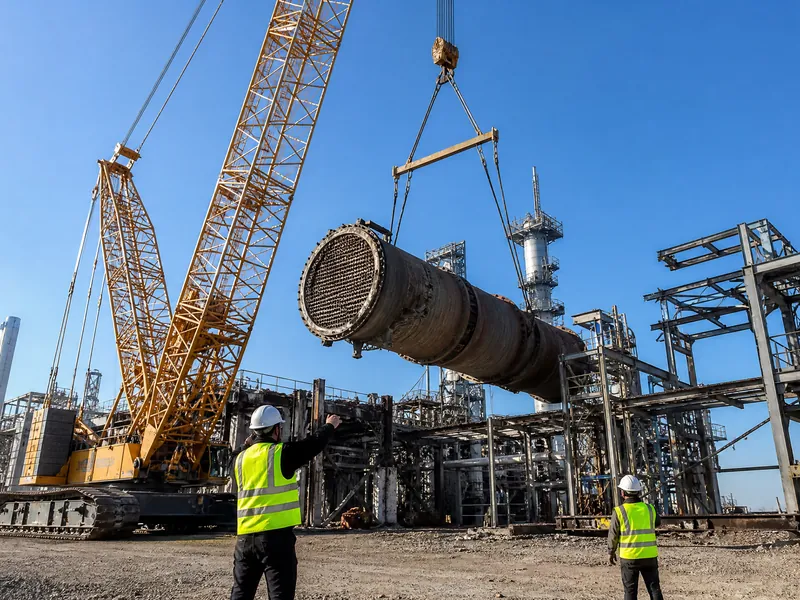
We specialize in the retirement of refineries, sugar mills, offshore fabrication yards, and aging power generation units. Our comprehensive approach encompasses environmental remediation, rigorous utility isolation, and engineered mechanical deconstruction. We deploy specialized heavy equipment to safely dismantle massive steel structures and process infrastructure, ensuring minimal impact on adjacent active operations. Our focus is on delivering safe, compliant, and efficient asset retirement solutions for Louisiana's heavy industrial sector.
The work
Decommissioning Refineries and Petrochemical Plants
The petrochemical corridor in Baton Rouge presents some of the most challenging environments for industrial demolition. Retiring refineries and chemical processing plants involve complex networks of piping, massive storage tanks, and heavy processing vessels, often containing residual hazardous materials. Industrial Demolition USA approaches these projects with meticulous planning and specialized dismantling techniques. We utilize cold-cutting methods and hydraulic shears to safely dismantle infrastructure where traditional torch cutting poses unacceptable fire or explosion risks.
Thorough decontamination and purging of all process lines and vessels are mandatory prerequisites before any structural wrecking begins. We coordinate closely with facility engineers to verify that all systems are inert and safe for dismantling. Our crews are highly trained in operating within these high-hazard environments, employing strict safety protocols and continuous monitoring. The systematic deconstruction of these facilities allows for the efficient segregation of valuable alloys and structural steel, maximizing the salvage credit applied to the project.
Method and sequence
Dismantling Sugar Mills and Fabrication Yards
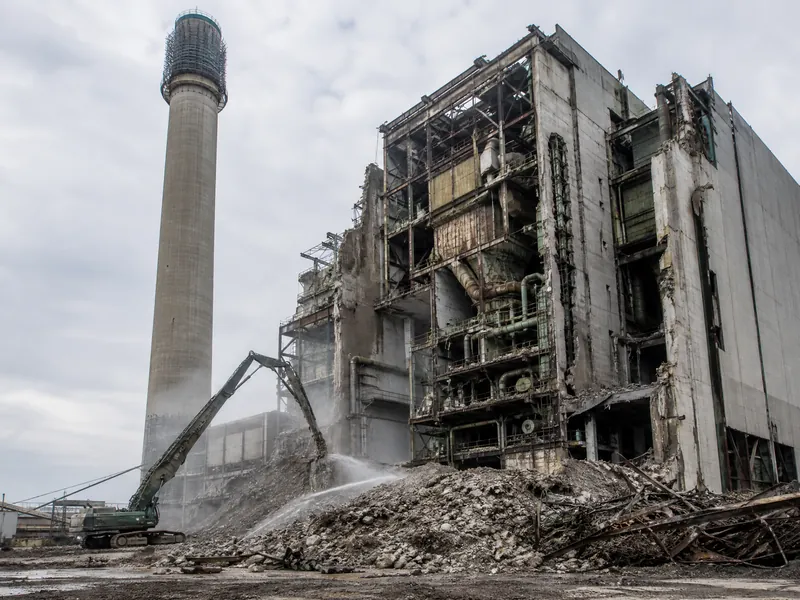
Beyond the petrochemical sector, Baton Rouge's industrial base includes large-scale sugar mills and offshore fabrication yards that eventually require decommissioning or modernization. Sugar mills often feature heavy milling equipment, large boilers, and extensive conveyor systems housed within aging structures. We employ heavy-duty excavators and specialized rigging to dismantle these facilities, carefully managing the removal of massive components. The teardown process is sequenced to maintain structural integrity while safely lowering heavy equipment to the ground for processing.
Offshore fabrication yards present their own unique challenges, typically involving expansive acreage, heavy crane infrastructure, and deep-water access facilities. Industrial Demolition USA manages the complete clearing of these sites, including the dismantling of large fabrication sheds and the removal of heavy concrete foundations. We leverage the region's logistical advantages, utilizing barge transport on the Mississippi River when appropriate, to efficiently move large volumes of processed scrap and demolition debris off-site.
Hazards and controls
Environmental Remediation and LDEQ Compliance
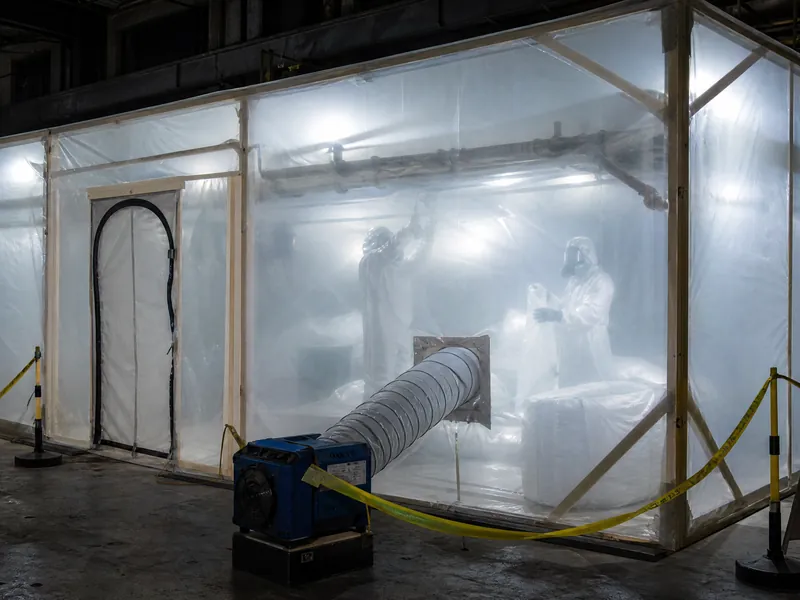
Compliance with the Louisiana Department of Environmental Quality (LDEQ) is a critical component of any industrial demolition project in Baton Rouge. Industrial Demolition USA manages the comprehensive environmental remediation required prior to structural dismantling. This includes the identification and abatement of asbestos-containing materials, lead-based paints, and other hazardous substances commonly found in older industrial facilities. We ensure that all abatement activities are conducted in strict accordance with state and federal regulations.
Our project management team handles all necessary LDEQ notifications and permitting requirements, ensuring that the project proceeds without regulatory delays. We maintain detailed documentation of all hazardous waste manifests, disposal records, and environmental monitoring data. This rigorous approach to compliance protects our clients from liability and ensures that the site is properly remediated before the heavy wrecking phase commences. We also implement robust stormwater management and dust suppression plans to protect the surrounding environment during demolition activities.
Permits and notification
Utility Isolation in High-Hazard Environments
Proper utility isolation is paramount when decommissioning industrial facilities, particularly in the petrochemical sector where the risks associated with accidental energization or release are severe. Industrial Demolition USA executes a rigorous lock-out/tag-out (LOTO) program, working in tandem with local utility providers and facility personnel to identify, trace, and physically disconnect all electrical, gas, water, and specialized process lines. We ensure that all services are capped and secured well outside the demolition zone.
This meticulous de-energization process is verified through multiple checks before any dismantling equipment is mobilized. In complex facilities, we often encounter undocumented or abandoned utility lines, requiring our crews to proceed with extreme caution and utilize advanced locating technologies. By ensuring complete utility isolation, we mitigate the risk of fires, explosions, or environmental releases during the structural teardown, maintaining a safe working environment for our personnel and the surrounding community.
Salvage and recovery
Maximizing Asset Recovery and Salvage Value
Industrial Demolition USA implements aggressive asset recovery strategies to maximize the financial return for our clients in Baton Rouge. The heavy industrial facilities in this region yield significant quantities of valuable materials, including structural steel, stainless steel alloys, copper wiring, and reusable industrial machinery. Our crews are adept at segregating these materials at the point of demolition, utilizing hydraulic shears and grapples to process the scrap into transportable sizes.
The value of these recovered materials is calculated and applied as a salvage credit, which directly offsets the net cost of the demolition and remediation services. We maintain strong relationships with regional scrap buyers and recycling facilities, ensuring competitive pricing for the recovered assets. By efficiently processing and transporting these materials, we not only improve the project's financial outcome but also promote sustainable practices by diverting massive volumes of industrial debris from local landfills.
Capabilities
Abatement, remediation and recovery
Common questions
Questions owners and engineers ask
How do you manage the risks of dismantling a petrochemical facility?
Dismantling petrochemical facilities requires rigorous safety protocols, including comprehensive decontamination of all process lines and vessels. We utilize cold-cutting techniques and hydraulic shears to eliminate ignition sources associated with traditional torch cutting. Continuous environmental monitoring and strict adherence to lock-out/tag-out procedures ensure that the site remains safe throughout the deconstruction process.
What is the process for asbestos abatement prior to demolition?
Before structural wrecking begins, we conduct a thorough survey to identify all asbestos-containing materials. Our specialized abatement teams then establish containment zones and safely remove the hazardous materials in compliance with LDEQ and federal regulations. The abated materials are properly manifested and transported to approved disposal facilities, ensuring the site is safe for heavy demolition.
How is the salvage credit calculated for a refinery teardown?
The salvage credit is based on the current market value of the recovered materials, which in a refinery often includes significant quantities of structural steel, specialized alloys, and copper. We estimate this value during the project planning phase and apply it directly against the cost of the demolition services, providing a transparent reduction in the client's net project cost.
Who handles the environmental notifications required by the LDEQ?
Industrial Demolition USA manages all regulatory compliance, including the preparation and submission of required environmental notifications to the Louisiana Department of Environmental Quality (LDEQ). We ensure that all permits are secured and that the project adheres to state regulations regarding hazardous material handling, dust suppression, and waste disposal.
Can you process and recycle concrete foundations on-site?
Yes, we frequently utilize mobile crushing equipment to process concrete foundations and slabs directly on-site. The concrete is crushed to a specified aggregate size and separated from the reinforcing steel. This crushed material can often be reused on-site as backfill for grading, which reduces the need for imported fill and minimizes the volume of debris transported to landfills.
Ready to price the teardown?
Industrial Demolition USA provides the specialized expertise required for complex plant decommissioning and heavy wrecking in Baton Rouge, New Orleans, and Lake Charles. Contact our project management team at 954-740-1983 or email electricalequipmentbuyers@gmail.com to discuss your industrial demolition requirements.