
Overview
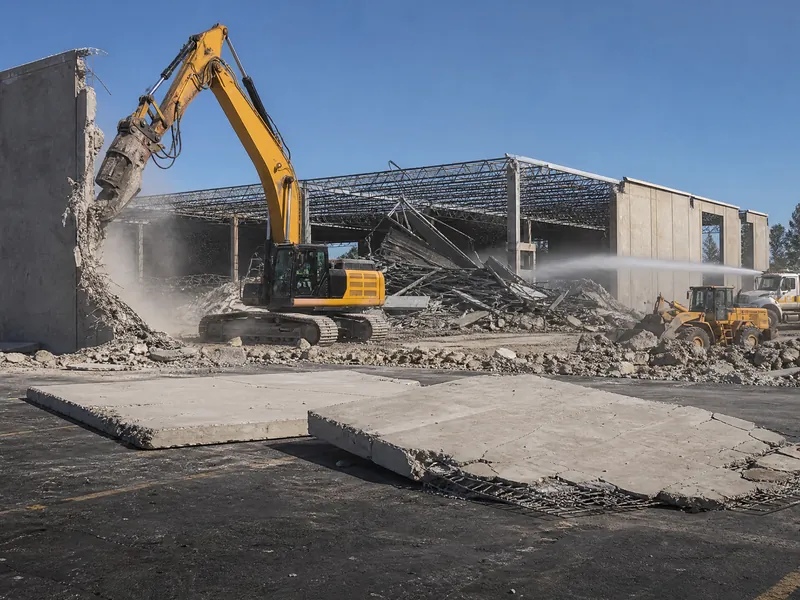
We manage the entire teardown process, from initial environmental abatement and utility isolation to structural deconstruction and final site grading. Dearborn's dense industrial footprint requires a contractor capable of navigating complex logistical challenges, including tight property lines and active adjacent operations. We deliver turnkey asset recovery and site clearing solutions that prepare properties for their next phase of development, ensuring all work complies with Michigan EGLE regulations.
The work
Automotive Facility Dismantling and Deconstruction
The industrial landscape of Dearborn is heavily defined by its automotive manufacturing heritage. Dismantling these massive facilities requires specialized heavy equipment and engineered approaches to safely bring down high-bay structures, stamping press pits, and extensive conveyor systems. Our fleet includes high-reach excavators equipped with hydraulic shears and grapples, allowing us to systematically deconstruct steel-framed buildings and reinforced concrete structures. We prioritize controlled demolition methods that minimize dust, noise, and vibration, protecting neighboring properties and ongoing operations.
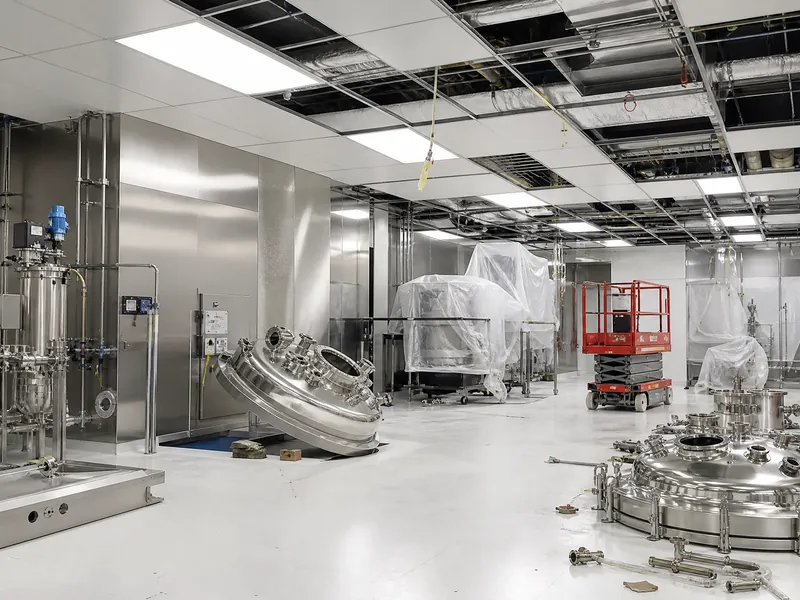
Before structural teardown begins, our teams conduct thorough hazardous material abatement and environmental remediation. We handle the removal of asbestos-containing materials, lead-based paints, and residual industrial fluids in strict compliance with state and federal regulations. Proper utility isolation and de-energization are critical first steps, ensuring that all electrical, gas, and water lines are safely capped and secured. By integrating abatement with structural demolition, we streamline the project schedule and reduce overall costs for the facility owner.
Method and sequence
Foundry and Heavy Manufacturing Teardowns
Foundries and heavy manufacturing plants present unique demolition challenges due to their robust construction and the presence of specialized equipment like furnaces, casting lines, and heavy overhead cranes. Industrial Demolition USA possesses the expertise to safely dismantle these complex structures. We utilize torch cutting and mechanical shearing to process heavy structural steel and thick plate metal, preparing it for efficient load-out and recycling. Our crews are trained to manage the specific hazards associated with foundry decommissioning, including the handling of refractory brick and residual heavy metals.
Asset recovery plays a significant role in foundry teardowns. We identify and extract high-value scrap metals, such as copper, aluminum, and heavy melting steel, which are processed and transported to regional recycling facilities. The salvage value generated from these materials is applied as a credit against the overall project cost, providing a financial benefit to the client. Our comprehensive approach ensures that all recyclable materials are maximized, reducing the volume of waste sent to landfills and supporting sustainable demolition practices.
Hazards and controls
Power Plant and Utility Decommissioning
Retiring coal-fired power units and utility infrastructure in the Dearborn region demands a contractor with extensive experience in large-scale industrial decommissioning. We manage the complex teardown of boilers, turbines, precipitators, and cooling towers. These projects often involve working at significant heights and handling massive components that require engineered rigging and lifting plans. Our project managers coordinate closely with structural engineers to develop safe dismantling sequences that maintain structural stability throughout the demolition process.
Environmental compliance is paramount during power plant retirement. We meticulously manage the abatement of asbestos insulation, the removal of coal ash residues, and the remediation of contaminated soils. All hazardous materials are manifested and disposed of at approved facilities in accordance with Michigan EGLE requirements. Following the removal of all structures and equipment, we perform extensive concrete crushing and site grading, transforming the former utility site into a clean, level pad ready for future industrial or commercial use.
Permits and notification
Navigating Michigan EGLE Regulations and Permitting
Executing industrial demolition in Dearborn requires a thorough understanding of local and state regulatory frameworks. Industrial Demolition USA manages all necessary permitting and notifications, ensuring full compliance with the Michigan Department of Environment, Great Lakes, and Energy (EGLE). We handle the submission of the federal NESHAP notification for asbestos abatement and demolition, a critical requirement for all industrial teardowns. Our team also coordinates with local Dearborn authorities to secure necessary building, demolition, and right-of-way permits.
We maintain detailed documentation throughout the project lifecycle, providing clients with a comprehensive closeout package. This includes waste manifests, recycling certificates, air monitoring reports, and final site surveys. By managing the regulatory compliance process from start to finish, we protect our clients from potential liabilities and ensure that the project proceeds without costly delays or regulatory interruptions. Our commitment to environmental stewardship and regulatory adherence is a cornerstone of our operational philosophy.
Salvage and recovery
Regional Logistics and Material Management
Efficient material management is essential for the success of large-scale industrial demolition projects in Dearborn. The region's robust transportation infrastructure, including access to major highways, rail networks, and Great Lakes port facilities, facilitates the movement of heavy equipment and the export of scrap materials. We leverage these logistical advantages to optimize the load-out and transportation of structural steel, crushed concrete, and other recyclable commodities. Our logistics coordinators schedule truck routing and rail car loading to minimize disruption to local traffic and maximize operational efficiency.
Concrete crushing is a key component of our site clearing services. We deploy mobile crushing plants to process concrete foundations, slabs, and structural elements directly on-site. The resulting crushed aggregate can be reused as backfill or sold as a construction material, further reducing project costs and environmental impact. By processing materials on-site, we significantly decrease the number of truck trips required for disposal, contributing to a safer and more sustainable demolition process.
Capabilities
Abatement, remediation and recovery
Common questions
Questions owners and engineers ask
How is salvage credit calculated for industrial teardowns?
Salvage credit is determined by evaluating the current market value of recoverable scrap metals, such as structural steel, copper, and aluminum, present in the facility. We estimate the tonnage and apply the projected scrap value as a direct credit against the total cost of the demolition project, effectively lowering the net cost for the client.
What is the process for handling asbestos during a plant demolition?
Prior to structural demolition, we conduct a comprehensive hazardous materials survey. Any identified asbestos-containing materials are systematically removed by certified abatement crews under negative pressure enclosures. All abated materials are properly packaged, manifested, and transported to licensed disposal facilities in strict accordance with Michigan EGLE and federal NESHAP regulations.
Who is responsible for utility disconnects before demolition begins?
Industrial Demolition USA coordinates the utility isolation process, but the facility owner typically initiates the formal disconnect requests with local utility providers. We verify that all electrical, gas, water, and sewer lines are physically air-gapped, capped, and locked out before any deconstruction activities commence to ensure absolute site safety.
How do you manage dust and noise in dense industrial areas?
We implement stringent environmental controls, including continuous water misting systems and dust suppressants, to mitigate airborne particulates during demolition and concrete crushing. Noise is managed by utilizing modern, well-maintained equipment and scheduling high-impact activities during approved hours to minimize disruption to adjacent operations and the surrounding community.
What documentation is provided at the completion of the project?
Upon project completion, clients receive a comprehensive closeout package. This includes all regulatory permits, NESHAP notifications, hazardous waste manifests, scrap metal recycling weight tickets, daily safety logs, and final site grading surveys. This documentation provides a complete record of regulatory compliance and proper material disposition.
Ready to price the teardown?
Industrial Demolition USA provides the heavy equipment and specialized expertise required for complex facility teardowns in Dearborn and the surrounding region. Contact our estimating team to discuss your upcoming plant retirement or site clearing project. Call us at 954-740-1983 or email electricalequipmentbuyers@gmail.com to schedule a comprehensive site evaluation.