
Overview
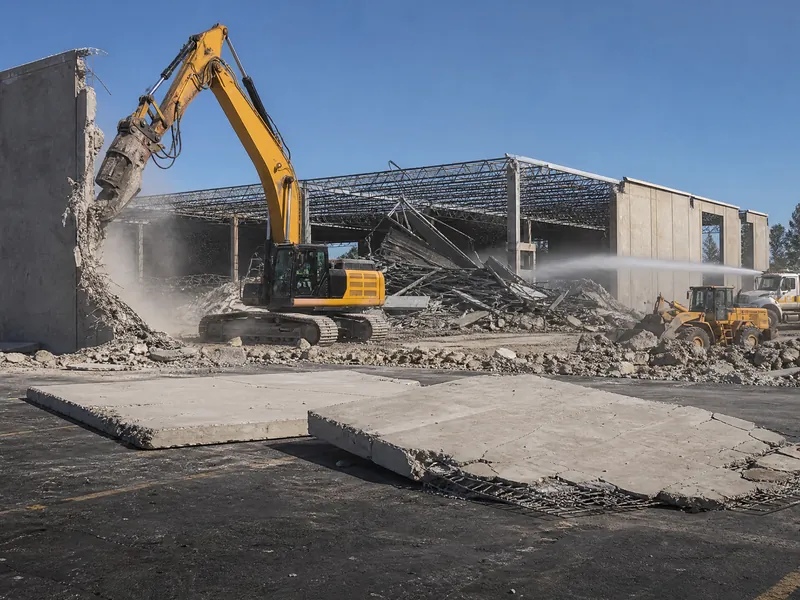
Our crews handle the complete structural removal of steel-framed buildings, concrete silos, and heavy industrial foundations. We manage the entire process from initial site assessment and environmental remediation to final site clearing and concrete crushing. By recovering structural steel, non-ferrous metals, and heavy machinery, we generate salvage credits that offset the net cost of the demolition project.
The work
Tearing Down Heavy Manufacturing Infrastructure
Chattanooga's industrial landscape includes a mix of legacy manufacturing plants, automotive supplier facilities, and heavy fabrication shops. When these structures reach the end of their operational life, our crews are deployed to execute systematic dismantling and structural demolition. We utilize heavy excavators equipped with hydraulic shears and grapples to bring down steel-framed buildings, overhead crane runways, and heavy plate structures. The proximity to the Tennessee River and active rail corridors requires precise drop zones and engineered felling techniques to prevent disruption to neighboring operations.
Our demolition approach is tailored to the specific construction of each facility. For older brick and timber mills, we employ selective deconstruction methods to salvage valuable materials while safely removing the structural shell. For modern steel and concrete plants, we utilize high-reach excavators to systematically dismantle the structure from the top down. We also handle the removal of deep concrete foundations, machine pits, and heavy equipment pedestals, utilizing hydraulic hammers and concrete crushers to process the material on-site.
Method and sequence
Navigating TDEC Regulations and NESHAP Notifications
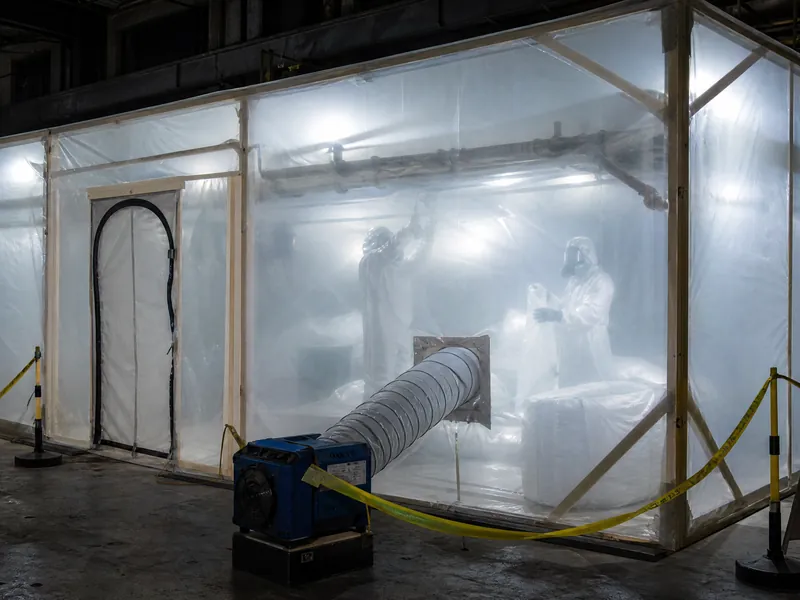
Executing industrial demolition in Tennessee requires strict adherence to state and federal environmental regulations. Before any structural teardown begins, we coordinate with the Tennessee Department of Environment and Conservation (TDEC) to ensure all permitting and notification requirements are met. This includes filing the mandatory 10-working-day NESHAP notification for asbestos abatement, regardless of whether asbestos-containing materials are present. We manage the complete abatement process, safely removing and disposing of hazardous materials such as asbestos insulation, lead-based paint, and PCB-containing transformers.
In addition to state notifications, we handle all local permitting requirements with the City of Chattanooga and Hamilton County. This involves securing demolition permits, coordinating utility disconnect sign-offs, and implementing comprehensive stormwater pollution prevention plans. Given the region's topography and proximity to the Tennessee River, managing runoff and preventing sediment discharge is a critical component of our site preparation. We install perimeter controls, manage dust suppression, and ensure that all environmental remediation activities are fully documented and compliant with TDEC standards.
Hazards and controls
Dismantling Power Generation and Chemical Facilities
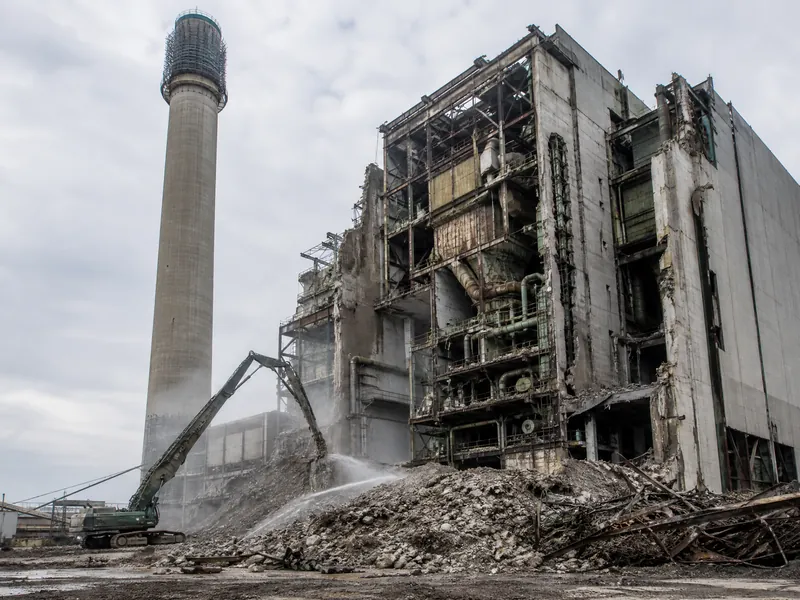
The Tennessee Valley Authority (TVA) has a significant presence in the region, and the retirement of aging coal-fired plants and power generation infrastructure requires specialized demolition expertise. We dismantle massive boilers, turbine halls, and exhaust stacks, utilizing engineered rigging and controlled felling techniques. The removal of these structures involves managing complex structural loads, mitigating hazardous materials such as coal ash and asbestos, and processing thousands of tons of heavy structural steel. We also handle the decommissioning of chemical works, similar to those found in Kingsport, requiring meticulous decontamination and line purging before structural dismantling begins.
Our crews are experienced in working within active industrial environments, where adjacent units may remain operational during the demolition process. We implement strict isolation protocols, utilizing physical barriers and vibration monitoring to protect sensitive equipment and personnel. The dismantling of chemical processing units involves the systematic removal of pressure vessels, heat exchangers, and miles of process piping. We recover valuable alloys and stainless steel components, processing the scrap metal on-site and coordinating the logistics for transport to regional recycling facilities.
Permits and notification
Managing Subsurface Risks and Karst Topography
The geological conditions in the Chattanooga area present unique challenges for industrial demolition, particularly when removing deep foundations and subterranean structures. The region is characterized by karst topography, with underlying limestone formations that can be prone to sinkholes and irregular bedrock profiles. When excavating machine pits, basement levels, and heavy equipment foundations, we must carefully manage the subsurface risks. We utilize ground-penetrating radar and exploratory trenching to identify voids and anomalies before deploying heavy excavation equipment.
Removing deep concrete structures in karst terrain requires controlled demolition techniques to prevent destabilizing the surrounding soil. We employ hydraulic bursting and precise mechanical breaking to fracture the concrete without transmitting excessive vibration into the bedrock. The high water table in areas adjacent to the Tennessee River also necessitates extensive dewatering operations during deep foundation removal. We install wellpoint systems and manage the discharge in compliance with TDEC regulations, ensuring that the excavation remains stable and dry while we extract the concrete and reinforcing steel.
Salvage and recovery
Processing Concrete and Site Clearing Operations
Once the above-ground structures have been demolished and the foundations removed, our focus shifts to processing the generated debris and preparing the site for future development. Industrial demolition projects in Chattanooga generate massive quantities of concrete rubble, brick, and masonry. Rather than hauling this material to local landfills, we deploy mobile crushing plants to process the concrete on-site. We utilize excavators with pulverizer attachments to separate the reinforcing rebar from the concrete, and then feed the clean rubble into the crusher to produce a reusable aggregate product.
This on-site concrete crushing not only reduces disposal costs and heavy truck traffic on local roads but also provides the client with a valuable material that can be used for backfill, grading, or road base on the cleared site. After the concrete has been processed and the scrap metal removed, we perform final site clearing and grading. We fill in excavations, compact the soil, and establish a stable, level surface that is ready for new construction or brownfield redevelopment. We provide the client with comprehensive closeout documentation, including all disposal manifests, recycling certificates, and environmental clearances.
Capabilities
Abatement, remediation and recovery
Common questions
Questions owners and engineers ask
What types of industrial structures do you dismantle in the Tennessee Valley?
We dismantle a wide range of heavy industrial facilities, including retired manufacturing plants, automotive supplier factories, chemical processing units, and power generation infrastructure. Our crews are equipped to handle everything from steel-framed warehouses and concrete silos to massive boilers and turbine halls. We manage the complete structural teardown, foundation removal, and site clearing.
How do you handle environmental permitting for demolition projects in Tennessee?
Before any structural demolition begins, we coordinate with the Tennessee Department of Environment and Conservation (TDEC) to ensure all regulatory requirements are met. This includes filing the mandatory 10-working-day NESHAP notification for asbestos abatement. We also manage all local permitting with the City of Chattanooga and Hamilton County, including utility disconnects and stormwater management plans.
Can you remove deep machine pits and heavy concrete foundations?
Yes, the removal of deep concrete foundations, machine pits, and heavy equipment pedestals is a core part of our demolition services. We utilize heavy excavators equipped with hydraulic hammers and concrete pulverizers to break apart the structures. In the Chattanooga area, we carefully manage the subsurface risks associated with karst topography and high water tables during these deep excavations.
What happens to the scrap metal generated during the teardown?
We systematically recover and process all structural steel, non-ferrous metals, and heavy machinery generated during the demolition. The metal is sized on-site using mobile shears and torches, and then transported to regional steel mills and foundries via truck, rail, or barge. The value of this recovered metal is applied as a salvage credit, which offsets the net cost of the demolition project.
Do you provide on-site concrete crushing services?
We deploy mobile crushing plants to process concrete rubble, brick, and masonry directly on the job site. This eliminates the need to haul thousands of tons of debris to local landfills. The crushed concrete is processed into a reusable aggregate that can be left on-site for backfill, grading, or road base, providing a cost-effective solution for site preparation.
Ready to price the teardown?
When your industrial facility in Chattanooga or the surrounding region reaches the end of its operational life, trust Industrial Demolition USA to execute a safe and efficient teardown. We manage the entire process from environmental remediation to final site clearing, maximizing your salvage credit along the way. Contact us today at 954-740-1983 or email electricalequipmentbuyers@gmail.com to discuss your project requirements.