
Overview
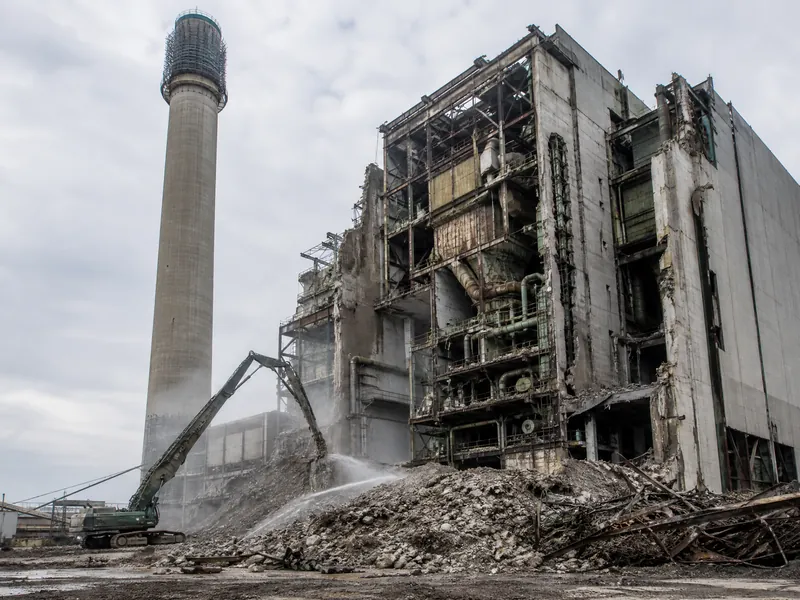
The industrial landscape of East Tennessee requires a contractor capable of handling steel structures, deep concrete foundations, and environmental remediation. From the banks of the Tennessee River to the I-40 and I-75 corridors, we execute controlled teardowns of chemical works, automotive supplier plants, and former coal-fired facilities. Our crews manage every phase of the wrecking process, including utility disconnects and asset recovery. We operate throughout Knox County and extend our coverage to Chattanooga, Nashville, and Memphis.
The work
Executing Teardowns in the Ridge and Valley Topography
The physical geography of East Tennessee dictates how heavy demolition projects are planned. Knoxville sits within the Ridge and Valley Appalachians, presenting unique topographical challenges for large-scale dismantling operations. Industrial sites are often terraced into hillsides or situated in narrow valleys, limiting the staging areas available for high-reach excavators and crawler cranes. Our project managers engineer demolition sequences that account for these tight spatial constraints, ensuring heavy equipment can maneuver safely while bringing down tall structures.
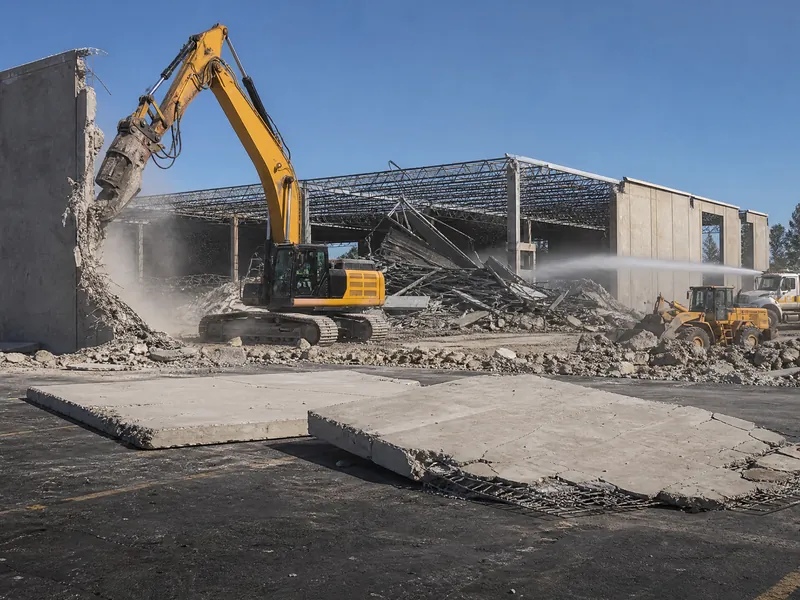
Subsurface conditions in Knox County further complicate the removal of heavy industrial foundations. The region is characterized by karst topography, where underlying limestone bedrock is prone to sinkholes and uneven weathering. When extracting deep concrete footings or turbine pedestals, our operators utilize heavy hydraulic breakers to fracture massive slabs without destabilizing the surrounding soil. Managing vibration is critical when working over karst formations, mitigating the risk of subsurface collapse.
Method and sequence
Dismantling Legacy Power Generation and Chemical Assets
East Tennessee has a long history of heavy industry, anchored by the massive infrastructure of the Tennessee Valley Authority and chemical manufacturing complexes. As these legacy facilities age out of service, they require specialized decommissioning and wrecking techniques. We dismantle retired coal-fired power plants, including the systematic removal of coal handling systems, precipitators, cooling towers, and turbine halls. The sheer scale of these structures demands precise rigging and controlled dropping techniques to bring heavy steel components safely to the ground.
In addition to power generation assets, we handle the teardown of chemical processing plants and automotive manufacturing facilities. These sites often contain miles of process piping, heavy storage tanks, and specialized containment structures. Our crews systematically drain, purge, and dismantle these systems, ensuring residual chemicals are properly managed. Whether clearing a former automotive supplier plant along the I-75 corridor or a chemical works facility near Kingsport, our demolition methods are tailored to the specific structural realities.
Hazards and controls
TDEC Compliance and NESHAP Asbestos Notifications
Regulatory compliance is the foundation of every industrial demolition project we execute in Knoxville. Before any structural wrecking begins, we coordinate with the Tennessee Department of Environment and Conservation (TDEC) and Knox County Air Quality Management. The federal NESHAP regulation mandates a strict 10-working-day notification period prior to the commencement of any demolition activity, regardless of whether asbestos is present. Our environmental compliance team handles this filing process, ensuring all regulatory timelines are met and the project schedule remains on track.
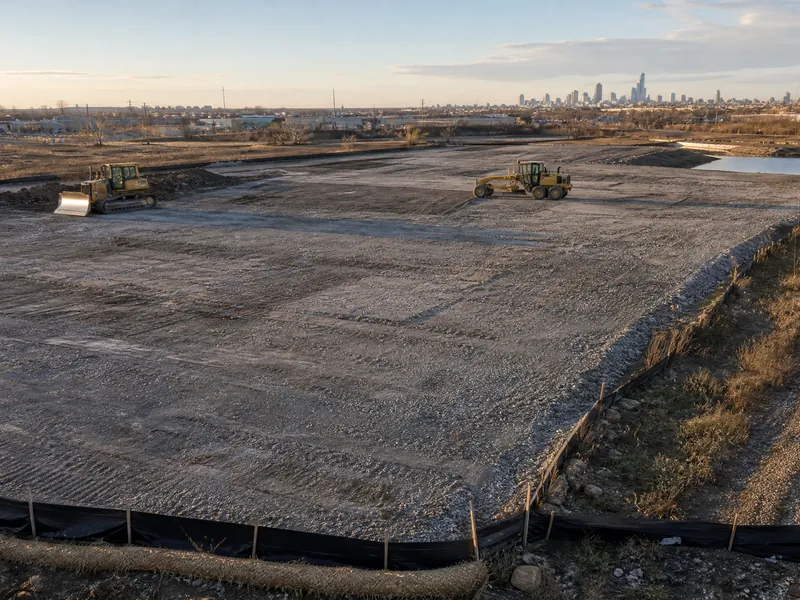
Beyond the initial notifications, we manage the complex permitting required for heavy industrial teardowns. This includes securing local demolition permits from Knox County, coordinating utility disconnect sign-offs, and implementing stormwater pollution prevention plans. The proximity of many industrial sites to the Tennessee River makes runoff control a critical priority. We deploy heavy-duty silt fencing and runoff diversion berms to prevent concrete dust and soil from entering the watershed, ensuring the site remains compliant.
Permits and notification
Scrap Metal Recovery and Regional Material Logistics
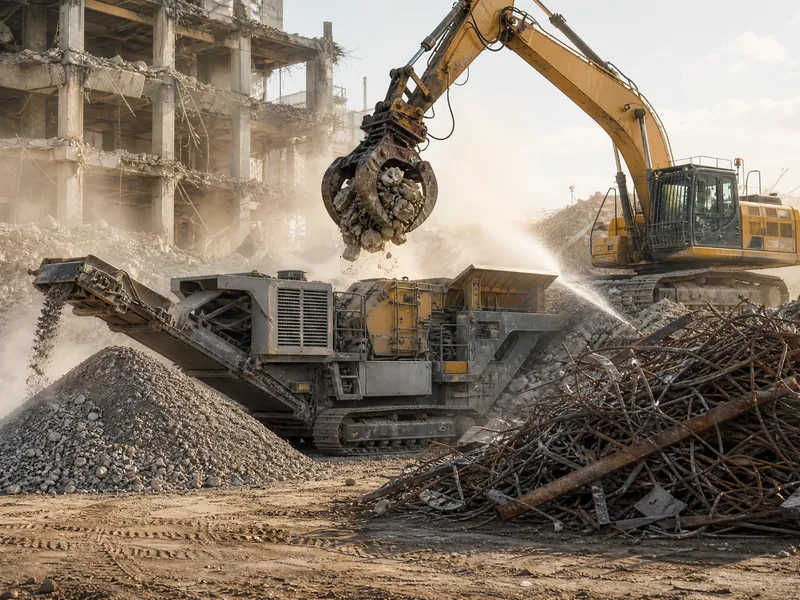
The demolition of heavy industrial facilities generates quantities of structural steel, copper wiring, and heavy machinery. We process these materials directly on the Knoxville job site, utilizing mobile hydraulic shears to size the metal for transport. The salvage value of this scrap is applied strictly as a credit against the client's overall demolition cost, reducing the net expense of the teardown. We do not buy equipment; our focus is entirely on offsetting the cost of our wrecking services through efficient asset recovery.
Moving thousands of tons of processed scrap requires a robust logistical network. Knoxville's position at the intersection of I-40 and I-75, combined with access to Norfolk Southern and CSX rail lines, provides multiple avenues for material transport. When working on facilities adjacent to the Tennessee River, we can utilize barge transport to move bulk steel to regional foundries. By leveraging the most efficient freight routes, we minimize hauling costs and keep the site clear of debris.
Salvage and recovery
Concrete Crushing and Site Preparation
Industrial demolition is not complete until the site is cleared and prepared for its next phase of use. Heavy manufacturing plants leave behind thousands of cubic yards of concrete, including thick slab-on-grade floors, retaining walls, and equipment foundations. Rather than hauling this material to local landfills, we deploy mobile crushing spreads directly to the Knoxville site. Our jaw and cone crushers reduce concrete chunks into reusable aggregate, which can be utilized as backfill for basements, pits, and trenches left behind by the demolition process.
On-site concrete crushing reduces the truck traffic required to clear the site, minimizing the impact on local roads and lowering overall project costs. The crushed material is graded and compacted to create a stable, level surface suitable for future industrial development. In areas where the karst topography presents stability concerns, properly compacted crushed concrete provides an excellent base layer. Our operators use heavy dozers and vibratory rollers to achieve the required compaction specifications.
Logistics
Managing Environmental Remediation and Abatement
Older industrial facilities in East Tennessee frequently contain hazardous materials that must be abated prior to structural demolition. We manage the removal of asbestos-containing materials, lead-based paints, and PCB-contaminated components. Our abatement crews establish negative pressure enclosures and utilize HEPA filtration systems to safely extract friable asbestos from pipe insulation, boiler lagging, and floor tiles. This work is executed in strict accordance with TDEC and OSHA regulations, ensuring the safety of our workers and the surrounding community.
In addition to asbestos and lead, we handle the remediation of contaminated soils and the removal of underground storage tanks. Industrial sites often have a history of petroleum or chemical spills that have impacted the surrounding soil. We excavate contaminated earth, manage the required soil testing, and transport the material to licensed disposal facilities. By integrating environmental remediation with our structural demolition services, we provide a single-source solution for clearing complex, heavily regulated industrial properties in Knoxville.
Capabilities
Abatement, remediation and recovery
Common questions
Questions owners and engineers ask
What permits are required before tearing down a manufacturing plant in Knox County?
Before initiating a teardown, we secure local demolition permits from Knox County and coordinate utility disconnects with regional providers. We must file a NESHAP 10-working-day notification with the Tennessee Department of Environment and Conservation (TDEC) and Knox County Air Quality Management. This federal requirement applies to all commercial and industrial demolitions, ensuring regulators are aware of the project before equipment arrives on site.
How does the local karst topography impact the removal of deep foundations?
The limestone bedrock in East Tennessee is prone to sinkholes and uneven weathering, complicating the extraction of deep concrete footings and press pits. We utilize hydraulic breakers to fracture concrete structures while carefully managing ground vibration. This controlled approach prevents the destabilization of the underlying karst formations, protecting adjacent structures and ensuring the site remains stable during the excavation and backfilling phases.
Can you process and transport structural steel using the Tennessee River?
When dismantling facilities with water access, we can utilize barge transport on the Tennessee River to move structural steel and scrap. This logistical advantage allows us to efficiently transport thousands of tons of processed metal to regional foundries. For landlocked sites, we rely on the I-40 and I-75 corridors, as well as Norfolk Southern and CSX rail lines, to move materials to processing outlets.
What happens to the massive concrete slabs left after a plant is demolished?
Instead of hauling thousands of cubic yards of concrete to landfills, we deploy mobile crushing spreads directly to the job site. Our crushers reduce the slabs, walls, and foundations into reusable aggregate. This crushed material is then used to backfill voids, pits, and basements left by the demolition, providing a stable and compacted base layer that prepares the property for future industrial redevelopment.
How is the salvage value of recovered metals applied to the project?
The value of recovered structural steel, copper wiring, and machinery is applied strictly as a credit that offsets the client's demolition cost. We are hired to perform the teardown and do not act as equipment buyers. By efficiently processing and sizing the scrap metal on site, we maximize the salvage credit, which directly reduces the net expense of the wrecking and site clearing operations.
Ready to price the teardown?
Industrial Demolition USA provides the equipment, labor, and technical expertise required to dismantle complex industrial facilities in Knoxville and across Tennessee. Call 954-740-1983 or email electricalequipmentbuyers@gmail.com to schedule a comprehensive site walk and project evaluation.