
Overview
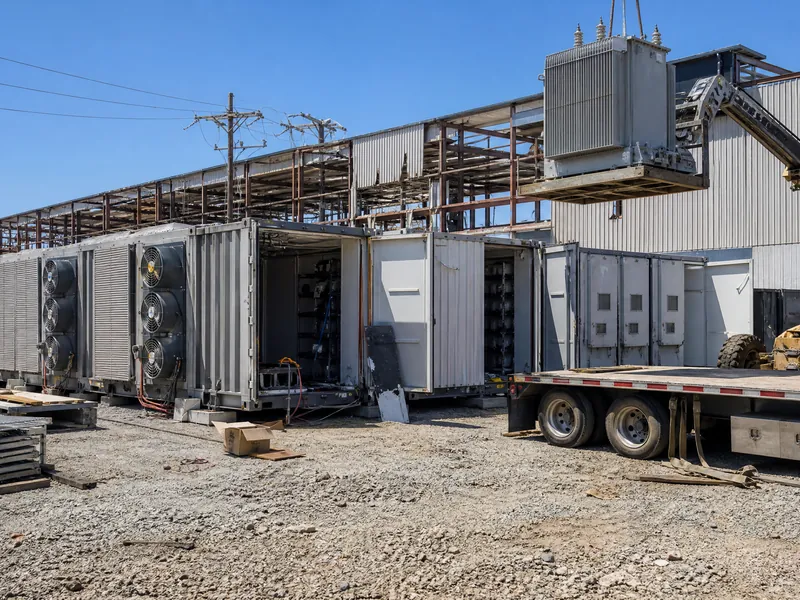
Our crews execute precise dismantling operations in dense commercial zones and industrial parks, ensuring minimal disruption to active neighboring facilities. Whether decommissioning a legacy warehouse or executing selective interior demolition for a plant upgrade, we deliver engineered solutions tailored to the specific constraints of the Lake Champlain region. We serve Burlington and nearby areas like Rutland, providing comprehensive wrecking and asset recovery services to industrial clients.
The work
Managing Complex Industrial Teardowns in Chittenden County
Executing heavy demolition in Burlington requires a deep understanding of local environmental conditions and logistical constraints. The freeze-thaw cycles typical of northern Vermont winters can significantly impact structural integrity and material handling during a teardown. Our project managers account for these seasonal variables when engineering deconstruction sequences, ensuring that structural dismantling proceeds safely regardless of weather conditions. We deploy specialized heavy equipment, including high-reach excavators equipped with hydraulic shears, to systematically dismantle multi-story manufacturing facilities and large-scale distribution centers.
Operating near Lake Champlain also demands rigorous environmental controls to prevent runoff and protect local waterways. Our site clearing operations incorporate comprehensive dust suppression and stormwater management protocols. By meticulously planning the wrecking phase, we mitigate risks associated with adjacent active operations and dense urban infrastructure. Our approach ensures that every phase of the plant retirement process is executed with precision, from the initial structural assessment to the final grading of the cleared site.
Method and sequence
Environmental Remediation and Asbestos Abatement Protocols
Before any structural dismantling can commence, older industrial facilities in Burlington often require extensive environmental remediation. Legacy manufacturing plants and retired generating units frequently contain hazardous materials such as asbestos-containing materials (ACM), lead-based paints, and PCB-contaminated equipment. Industrial Demolition USA manages the complete abatement process, ensuring that all hazardous substances are safely removed, packaged, and disposed of in accordance with state and federal regulations. We coordinate closely with the Vermont DEC to ensure all pre-demolition notifications and environmental permits are secured prior to mobilization.
Our remediation teams utilize advanced containment and negative air pressure systems to isolate work areas during asbestos abatement. This prevents cross-contamination and protects both our workers and the surrounding community. Following the successful removal of hazardous materials, we conduct thorough clearances to certify the structure is safe for heavy wrecking. Integrating abatement with the overall deconstruction schedule prevents costly delays and ensures a seamless transition to the structural demolition phase.
Hazards and controls
Strategic Dismantling for Food and Beverage Processing Plants
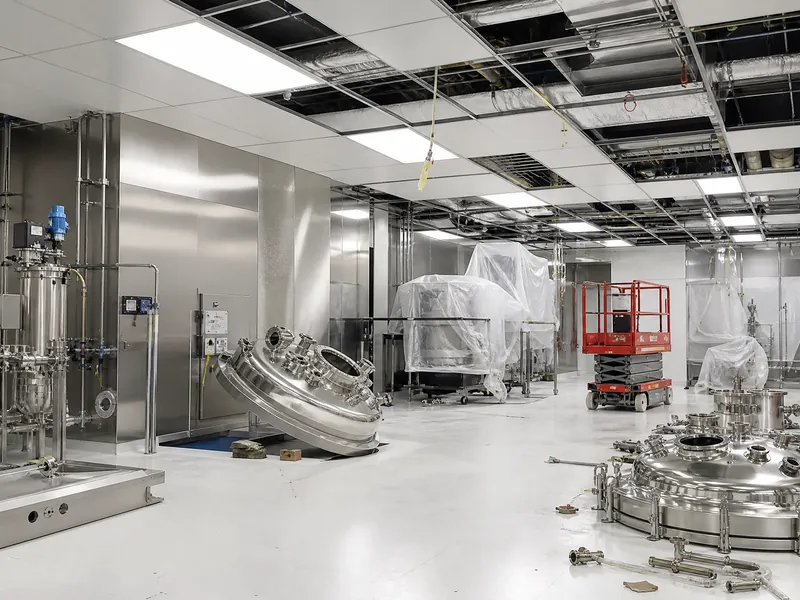
Burlington's industrial landscape includes a significant presence of food and beverage processing facilities, which present unique challenges during decommissioning. These plants often feature complex networks of stainless steel piping, specialized processing equipment, and insulated clean rooms. Our dismantling crews are highly experienced in the selective demolition of these environments. We utilize precision torch cutting and mechanical shearing to carefully remove heavy machinery and process lines without compromising the structural integrity of the surrounding building.
When executing interior demolition within active food processing facilities, maintaining strict hygiene and dust control is paramount. We implement rigid isolation barriers and specialized ventilation systems to ensure that our teardown activities do not impact ongoing production in adjacent areas. The systematic deconstruction of these facilities also yields substantial quantities of high-value metals. We carefully segregate stainless steel, copper, and aluminum during the dismantling process to maximize the asset recovery potential for the facility owner.
Permits and notification
Asset Recovery and Scrap Metal Salvage Credits
A critical component of our industrial demolition methodology is the strategic recovery of valuable materials. During the wrecking and dismantling of Burlington manufacturing plants, we generate significant volumes of ferrous and non-ferrous scrap metal. Industrial Demolition USA leverages this material stream to provide a financial benefit to our clients. The salvage value of recovered structural steel, copper wiring, and industrial components is applied directly as a credit against the overall cost of the demolition project. This approach significantly reduces the net cost of plant retirement.
Our asset recovery operations are seamlessly integrated into the deconstruction sequence. As structures are torn down, excavators equipped with grapples sort and process scrap metal directly on the job site. This efficient material handling minimizes double-handling and accelerates the site clearing process. We maintain strong relationships with regional scrap processors and recycling facilities, ensuring that recovered materials are diverted from landfills and reintroduced into the supply chain, supporting sustainable demolition practices.
Salvage and recovery
Site Clearing and Concrete Crushing Operations
The final phase of any industrial demolition project in Burlington involves comprehensive site clearing and preparation for future redevelopment. Once the above-ground structures have been safely wrecked and removed, our focus shifts to the foundations, slabs, and subterranean infrastructure. We utilize heavy hydraulic hammers to break up thick concrete pads and heavy equipment foundations typical of aggregate and cement operations. All subsurface utilities are properly capped, and trenches are backfilled to stabilize the site.
To further optimize project efficiency and reduce disposal costs, we frequently perform on-site concrete crushing. The demolished concrete is processed through mobile crushing plants to produce a reusable aggregate material. This crushed concrete can be left on-site to serve as engineered backfill or a stable base for new construction, eliminating the need to import virgin materials. Our comprehensive site clearing services ensure that the property is left clean, graded, and fully prepared for its next industrial or commercial application.
Capabilities
Abatement, remediation and recovery
Common questions
Questions owners and engineers ask
How do you handle environmental permits for demolition in Burlington?
We manage the entire permitting process, including all required notifications to the Vermont DEC and the EPA. This includes submitting the NESHAP notification for asbestos abatement prior to any structural teardown. Our team ensures that all environmental remediation plans are approved and compliant with state regulations before we mobilize heavy equipment to the site.
What factors influence the cost of an industrial teardown?
The net cost of a demolition project is driven by the size and construction type of the facility, the extent of required environmental abatement, and the complexity of utility isolation. Additionally, the salvage value of recovered scrap metal and industrial components is applied as a credit, which can significantly offset the overall expense of the wrecking operations.
Can you perform selective dismantling while our plant remains operational?
Yes, we specialize in selective interior demolition and dismantling within active manufacturing environments. We implement strict dust control, vibration monitoring, and physical isolation barriers to ensure our deconstruction activities do not interfere with your ongoing operations. Our crews coordinate closely with facility managers to schedule high-impact work during planned downtimes.
How is scrap metal handled during the decommissioning process?
As we tear down the structure, our excavators sort and process ferrous and non-ferrous metals directly on the job site. We segregate structural steel, copper, and aluminum to maximize their salvage value. This recovered material is then transported to regional recycling facilities, and the resulting value is credited against your project costs.
What happens to the concrete foundations after the building is wrecked?
We utilize heavy hydraulic breakers to remove concrete slabs, footings, and equipment foundations. To minimize disposal fees and environmental impact, we often crush the clean concrete on-site. The resulting aggregate can be used as engineered backfill to grade the site, leaving the property stabilized and ready for future redevelopment.
Ready to price the teardown?
Industrial Demolition USA is committed to delivering safe, efficient, and compliant plant retirement solutions across Burlington and the surrounding region. Contact our estimating team today to discuss your upcoming deconstruction project. Call us at 954-740-1983 or email electricalequipmentbuyers@gmail.com to schedule a comprehensive site evaluation.