
Overview
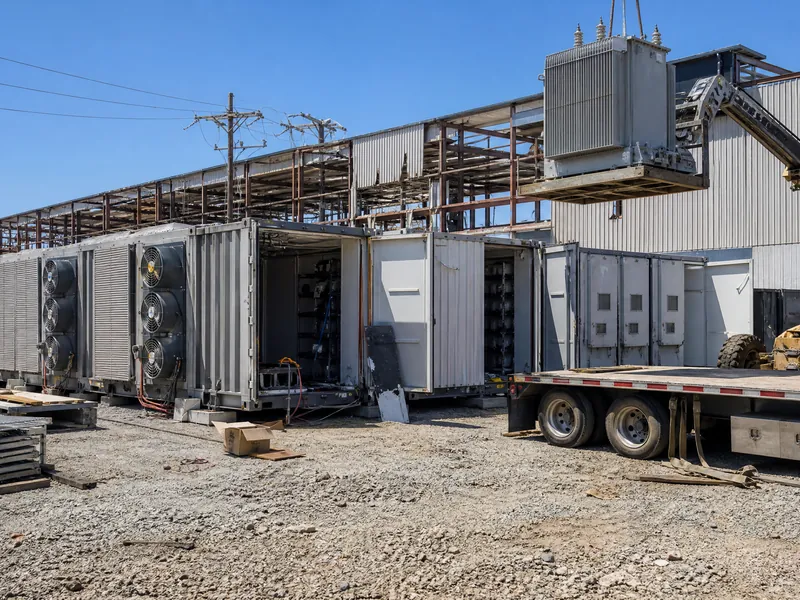
Duluth projects are shaped by steep grades, hard winters, port and rail interfaces, and buildings exposed to years of moisture and freeze-thaw stress. Our work covers the full sequence from abatement and utility isolation through structural wrecking, asset recovery, and final site stabilization.
The work
Harbor Industry Shapes the Work
Duluth industrial demolition is tied to a very specific physical setting. Facilities around the port and working harbor often include conveyors, silos, loading structures, boiler houses, maintenance shops, and storage buildings built for bulk materials handling. Inland parcels add distribution buildings, regional manufacturing plants, and support structures tied to aggregate, cement, and utility operations.
Those structures age hard. Wind off the lake, corrosion, snow loading, and long freeze cycles can weaken cladding and connections even when the primary frame remains substantial. That is why our deconstruction plans focus on actual structure behavior, not just square footage. We look at access, elevation changes, buried services, and how rail spurs or port traffic affect the safest demolition sequence.
Method and sequence
Terrain, Winter, and Access Controls
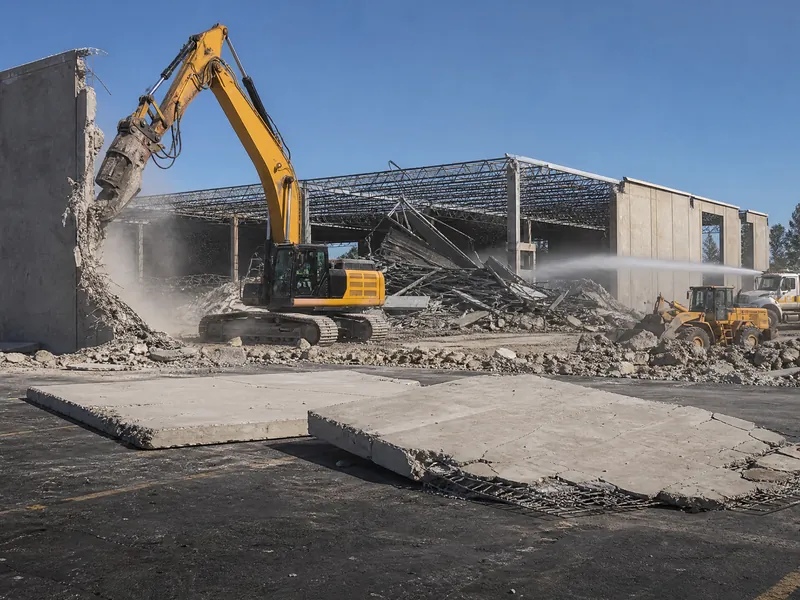
A Duluth site can change elevation fast, and that influences equipment placement. Some parcels are tight against active roads or rail, while others sit on sloped ground with limited staging space. We plan machine travel, debris stacking, and truck loading around those constraints so a high-reach excavator is working from stable pads instead of chasing the structure across uneven ground.
Weather is another real factor. Snow, ice, and freeze-thaw conditions can slow cutting, hauling, and housekeeping if the work is not staged properly. We account for winter conditions in the schedule, dust control strategy, and traffic management plan. That preparation helps keep industrial wrecking, abatement, and material separation moving even when conditions around the lakefront are not forgiving.
Hazards and controls
How We Decommission a Duluth Facility
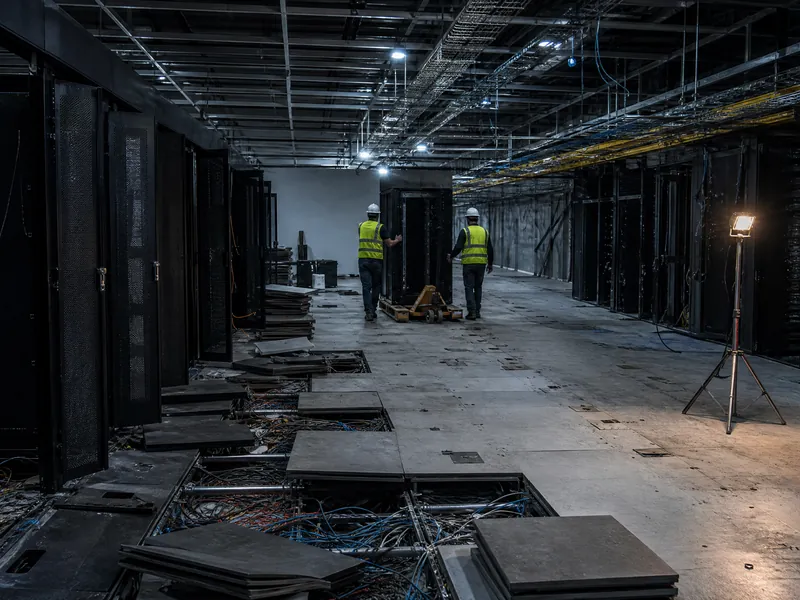
The process usually starts with surveys, utility tracing, and de-energisation planning. Next comes abatement and selective interior demolition so hazardous materials, oils, residual product, and loose interior obstructions are removed before structural equipment is engaged. Once the site is opened up, we dismantle process equipment, cut steel in stable sections, and use excavators with shears, grapples, and breakers to bring the shell down in a controlled progression.
Foundations, pits, and slabs are handled after the superstructure is down and the salvage streams are separated. Concrete can be processed for fill or loaded out, depending on room available and the owner's end use. Throughout the job, we keep decommissioning, demolition, salvage, and remediation moving as one coordinated scope rather than isolated trades competing for space.
Permits and notification
MPCA Filings and Local Permit Reality
In Duluth, industrial demolition typically involves both state environmental requirements and local permit coordination. We prepare for MPCA-related notification steps, and we build the federal NESHAP asbestos notification requirement into the schedule before structural teardown begins. Local building permits, utility releases, erosion controls, and road use conditions are addressed early because lakefront and industrial corridor jobs can attract more scrutiny than a remote greenfield site.
Owners benefit from having one contractor organize the sequence. Our team can work with consultants and local officials on demolition submittals, abatement timing, waste handling records, and closeout documentation. When that paperwork is aligned with the field plan, the project is less likely to stall after mobilization because a filing or release was missed.
Salvage and recovery
Scrap Flows, Rail, and Port Logistics
Duluth is a strong market for disciplined material segregation because logistics are part of the local industrial economy. Structural steel, copper, stainless, motors, insulated wire, and process metals can be separated during dismantling and directed to regional recyclers. Concrete, masonry, and mixed debris are managed differently depending on contamination status, haul distance, and whether on-site processing makes sense.
Port access, rail infrastructure, and trunk highway connections help move material efficiently when the job is planned well. We also support broader Minnesota coverage for clients with related work in Minneapolis, St. Paul, or Rochester. Salvage is applied as a credit against demolition cost where recoverable material quality supports it, and the owner receives documentation showing how those streams were managed.
Capabilities
Abatement, remediation and recovery
Common questions
Questions owners and engineers ask
Can you work on industrial properties near port or rail activity in Duluth?
Yes. Those sites require tighter traffic, staging, and safety planning, but they are common in this market. We coordinate the demolition sequence around site access, rail considerations, and neighboring operations so equipment movement and debris loading stay controlled.
How much does winter affect an industrial demolition schedule?
Winter can affect productivity, housekeeping, haul routes, and dust control, especially on sloped or exposed parcels. We factor those conditions into the work plan early so the schedule reflects real field constraints rather than assuming summer production in a lakefront environment.
Do you manage asbestos abatement before structural demolition?
Yes. Abatement is typically one of the first major stages after surveys and utility planning. We coordinate that work with the required state and federal notifications so structural wrecking does not begin before the regulated materials are properly addressed.
Can recovered metal lower the overall project cost?
Often it can. Ferrous and nonferrous metals separated during dismantling may create salvage credit that reduces net demolition cost. The actual credit depends on what is in the structure, how cleanly it can be separated, and market conditions at the time of removal.
What does the finished site condition usually include?
That depends on scope, but many projects finish with foundation removal or reduction, backfilling of pits or voids, rough grading, and haul documentation. We can also coordinate disposal and recycling records so the owner has a clean closeout package after demolition is complete.
Ready to price the teardown?
For industrial demolition and decommissioning in Duluth, bring in a contractor that understands port logistics, winter conditions, and heavy structural work. Call 954-740-1983 or email electricalequipmentbuyers@gmail.com to discuss your Duluth project.