
Overview
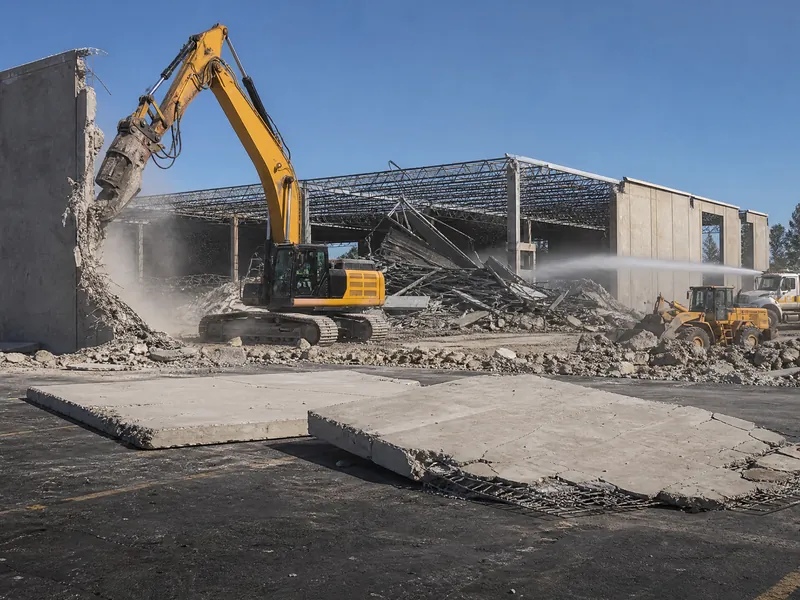
Our experienced crews expertly manage the entire lifecycle of industrial wrecking, starting with meticulous environmental abatement and utility isolation, and finishing with on-site concrete crushing and final site grading. We are well-equipped to handle the unique logistical challenges of operating in the Upper Midwest, ensuring that large-scale deconstruction projects proceed safely and efficiently, even under severe seasonal weather constraints. By seamlessly integrating asset recovery and scrap metal salvage into our core demolition process, we generate a valuable salvage credit that helps offset the net cost of facility retirement for our clients.
The work
Managing Industrial Teardowns in Olmsted County
Rochester's industrial landscape includes a mix of regional manufacturing plants, warehousing hubs, and aggregate operations that require specialised approaches when they reach the end of their operational life. Industrial Demolition USA executes large-scale teardowns across Olmsted County, bringing heavy equipment and experienced personnel to safely dismantle complex structures. Our wrecking operations are engineered to address the specific physical conditions of southeastern Minnesota, including deep frost lines and variable soil stability. We sequence our deconstruction activities to minimise disruption to active adjacent facilities, utilizing high-reach excavators equipped with hydraulic shears to systematically reduce steel-framed buildings and concrete silos. The dismantling process is tightly controlled, ensuring that structural loads are managed safely as the building is brought down. Our project managers coordinate closely with local authorities to establish secure perimeters and manage traffic flow around the site. By maintaining strict operational discipline, we deliver predictable outcomes for facility owners facing complex decommissioning challenges.
Method and sequence
Decommissioning Food and Beverage Processing Facilities
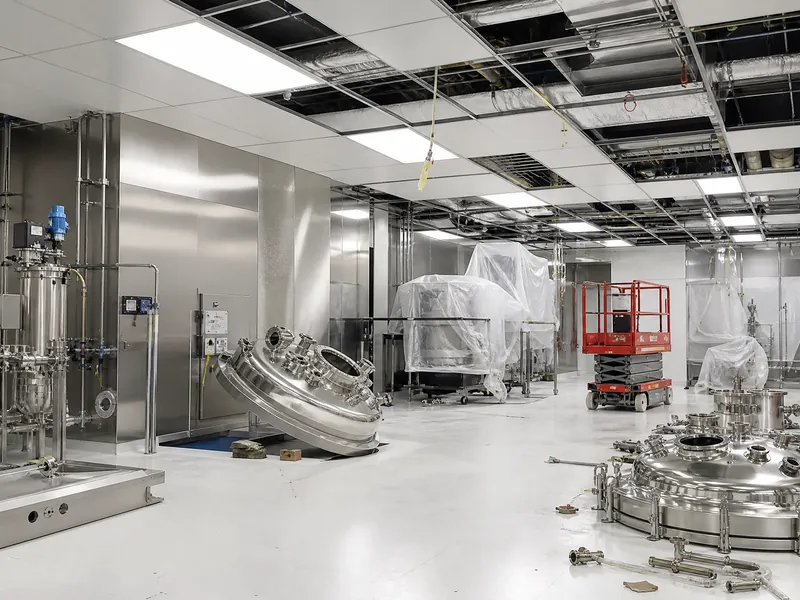
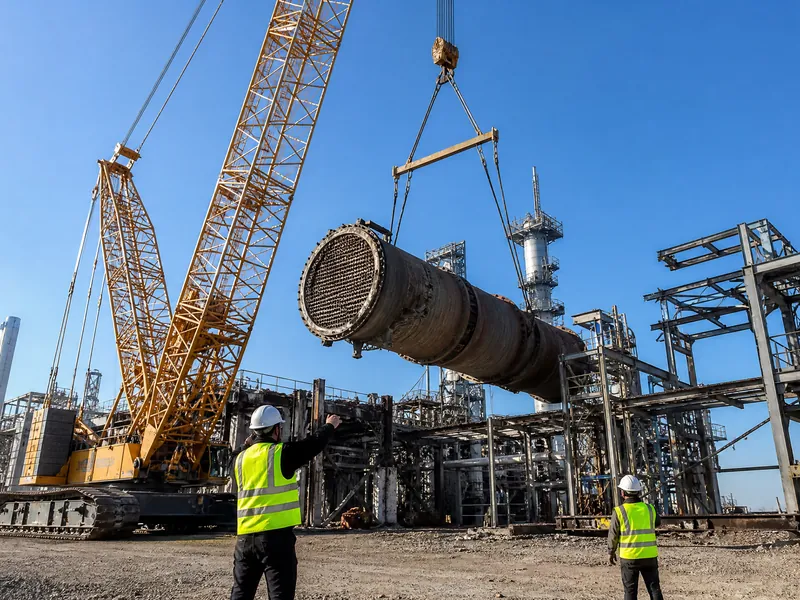
The food and beverage processing sector in Rochester relies on specialized infrastructure that presents unique challenges during facility retirement. Decommissioning these plants requires the systematic removal of stainless steel piping, refrigeration systems, storage tanks, and automated processing lines before the main structural demolition can commence. Industrial Demolition USA deploys specialized crews to perform interior dismantling and equipment removal, ensuring that hazardous materials such as ammonia refrigerants are properly evacuated and contained. Our abatement teams handle the remediation of insulated panels and pipe wrappings that may contain regulated substances, clearing the way for heavy wrecking equipment. We utilize torch cutting and mechanical shearing to segment large tanks and silos, carefully managing the rigging and lowering of heavy components to the ground. Through careful planning and execution, we prepare former food processing sites for their next phase of development or complete site clearing.
Hazards and controls
Structural Dismantling and Asset Recovery Strategies
Maximizing the value of recovered materials is a critical component of our demolition methodology in Rochester. Industrial Demolition USA integrates comprehensive asset recovery into every teardown project, identifying valuable scrap metal and reusable industrial components that can generate a salvage credit for the client. This credit is applied directly against the overall cost of the demolition, providing a more cost-effective solution for facility retirement. Our dismantling crews carefully separate ferrous and non-ferrous metals, including copper wiring, structural steel, and aluminum fixtures, processing them on-site for efficient transport to regional recycling facilities. We utilize mobile shears and material handlers to size the scrap according to market specifications, optimizing the logistical flow of materials off the site. The salvage process is seamlessly woven into the primary wrecking schedule, ensuring that material recovery does not delay the critical path of the project.
Permits and notification
Navigating MPCA Regulations and Environmental Remediation
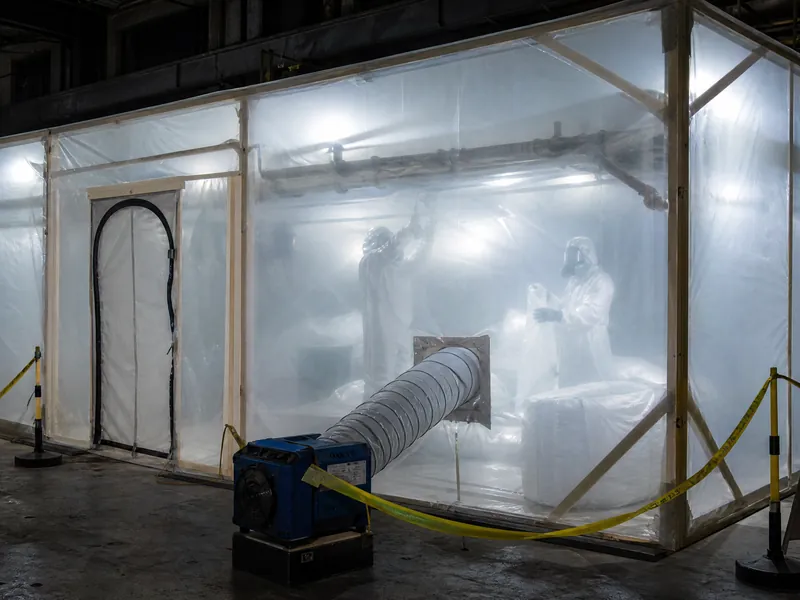
Compliance with state and federal environmental regulations is foundational to our demolition operations in Minnesota. The Minnesota Pollution Control Agency (MPCA) enforces strict guidelines regarding the handling and disposal of hazardous materials, including asbestos, lead-based paint, and universal wastes. Industrial Demolition USA manages the entire regulatory compliance process, from the initial submission of NESHAP notifications to the final disposal manifests. Our environmental remediation teams conduct thorough pre-demolition surveys to identify regulated materials, developing comprehensive abatement plans that align with MPCA requirements. We establish negative pressure enclosures and utilize specialized filtration systems to prevent the release of airborne particulates during the removal of asbestos-containing materials. Once the abatement phase is complete and verified through independent air monitoring, our crews proceed with the structural deconstruction. We also manage the proper containment and disposal of residual industrial chemicals found in retired manufacturing plants.
Salvage and recovery
Concrete Crushing and Site Clearing Operations
The final phase of an industrial teardown involves the processing of masonry and concrete debris to prepare the site for future use. Industrial Demolition USA operates high-capacity mobile concrete crushers capable of reducing massive volumes of foundation material, slab-on-grade concrete, and precast panels into reusable aggregate. In Rochester, where aggregate and cement operations are a significant part of the local industry, the ability to process concrete on-site provides substantial logistical advantages. By crushing the material to specific gradations, we create a valuable product that can be used as backfill for basements and utility trenches, further offsetting the project costs. Our site clearing operations include the removal of deep foundations, equipment pads, and underground utilities, utilizing heavy excavators equipped with hydraulic breakers to fracture the concrete. The processed aggregate is then graded and compacted to leave a clean, level site that meets the client's exact specifications.
Logistics
Regional Logistics and Winter Weather Considerations
Executing heavy industrial demolition in Rochester requires a deep understanding of the regional logistics and the impact of Minnesota's severe winter weather. Industrial Demolition USA plans and sequences our teardown projects to account for the challenges posed by freezing temperatures, heavy snowfall, and the spring thaw cycle. We utilize specialized cold-weather fluids and heating systems for our heavy equipment to ensure reliable operation during the winter months. The movement of scrap metal and processed aggregate is coordinated with regional transportation networks, leveraging highway access to efficiently route materials to processing facilities in Minneapolis, St. Paul, and Duluth. We manage the impact of frost on soil stability, adjusting our heavy equipment deployment and site access routes to prevent rutting and maintain safe operating conditions. By proactively addressing these regional factors, we maintain project momentum and deliver reliable decommissioning services year-round.
Capabilities
Abatement, remediation and recovery
Common questions
Questions owners and engineers ask
How does the MPCA regulate asbestos abatement during a teardown?
The Minnesota Pollution Control Agency (MPCA) requires a formal notification before any demolition or asbestos abatement begins. We handle all NESHAP filings and ensure that asbestos-containing materials are removed by licensed professionals using proper containment, negative pressure, and wet methods. All hazardous materials are securely packaged and transported to approved disposal facilities, with complete documentation provided to the client.
What is the process for isolating utilities before structural dismantling begins?
Before any wrecking occurs, we coordinate with local utility providers to completely disconnect and air-gap all electrical, gas, water, and sewer lines serving the facility. We perform a comprehensive lock-out/tag-out procedure and physically verify that all systems are de-energized. This critical step ensures the safety of our crews and prevents accidental disruptions to the surrounding municipal infrastructure.
How is salvage credit calculated for scrap metal and industrial components?
Salvage credit is determined by evaluating the current market value of the recoverable ferrous and non-ferrous metals, as well as any reusable industrial equipment within the facility. We estimate the tonnage of structural steel, copper, and aluminum, and apply this value as a direct offset to the total cost of the demolition project, reducing your net expenditure.
Can you handle concrete crushing on-site during winter months?
Yes, our mobile concrete crushing operations can proceed during the winter. We utilize specialized equipment designed for cold-weather performance and implement targeted dust suppression techniques that prevent freezing. Crushing concrete on-site reduces the need for heavy truck traffic on winter roads and provides immediate backfill material for the site.
What documentation is provided at the conclusion of a decommissioning project?
At the closeout of the project, we provide a comprehensive documentation package that includes all environmental manifests, disposal receipts, weight tickets for recycled materials, and proof of regulatory compliance. This documentation serves as the official record that the facility was properly decommissioned, abated, and demolished in accordance with all state and federal laws.
Ready to price the teardown?
Industrial Demolition USA provides comprehensive deconstruction and remediation services throughout Rochester and the surrounding region. Contact our estimating team to discuss your upcoming facility retirement and asset recovery needs. Call 954-740-1983 or email electricalequipmentbuyers@gmail.com to schedule a site walk.