
Overview
The dense industrial infrastructure in Newark requires a highly engineered approach to deconstruction, ensuring that massive structures are brought down without impacting adjacent operations or the surrounding urban environment. Our crews manage the entire lifecycle of the project, from the initial abatement of hazardous materials to the final grading of the cleared site. We prioritize safety and efficiency while maximizing asset recovery to provide a salvage credit that offsets the client's net cost.
The work
Decommissioning Retired Power Units and Infrastructure
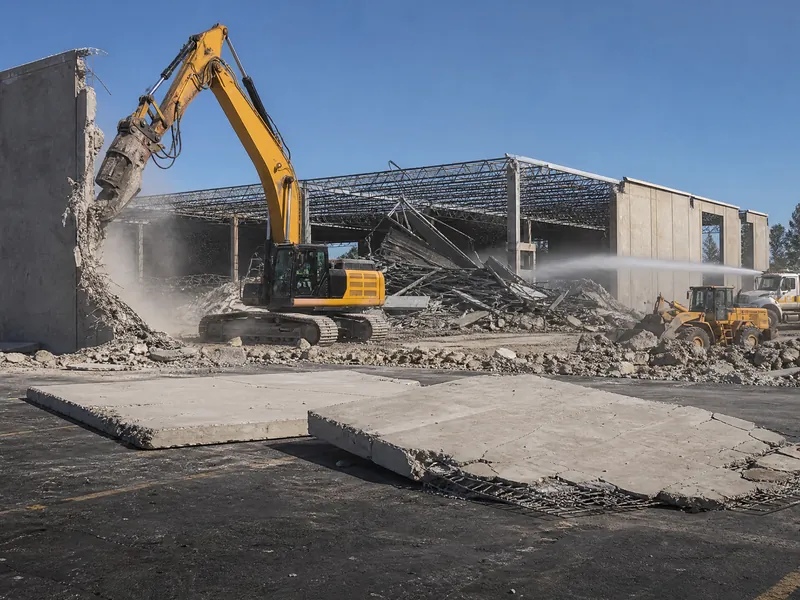
Newark has a long history of heavy industry, including the operation of large-scale power generation facilities and PSEG units that eventually require decommissioning. Demolishing these massive structures involves specialized techniques to safely dismantle towering exhaust stacks, massive boilers, and heavy turbine halls. Our crews utilize high-reach excavators equipped with hydraulic shears to systematically cut through heavy steel framing and reinforced concrete, bringing the structures down in a controlled and predictable manner.
The teardown of power generation infrastructure requires meticulous planning to manage the extreme weights and heights involved. We engineer detailed rigging and lifting plans to safely lower massive components to the ground for further processing. Throughout the wrecking process, we maintain strict adherence to safety protocols, ensuring that our personnel and the surrounding Newark community are protected from the inherent hazards of heavy industrial demolition.
Method and sequence
Navigating Dense Urban and Port Environments
Executing industrial demolition in Newark presents unique logistical challenges due to the city's dense urban layout and bustling port activity. Facilities located near the waterfront or along major transportation corridors require a contractor capable of operating within extremely tight spatial constraints. We employ precision dismantling techniques, often utilizing hand demolition and smaller, specialized equipment to carefully separate structures that share party walls or sit adjacent to active rail lines.
Our project managers coordinate closely with local authorities to manage traffic flow and secure the necessary permits for street closures and heavy equipment mobilization. By carefully planning the sequence of the deconstruction, we minimize disruptions to neighboring businesses and ensure that the project proceeds efficiently despite the challenging urban environment.
Hazards and controls
Maximizing Asset Recovery and Scrap Value
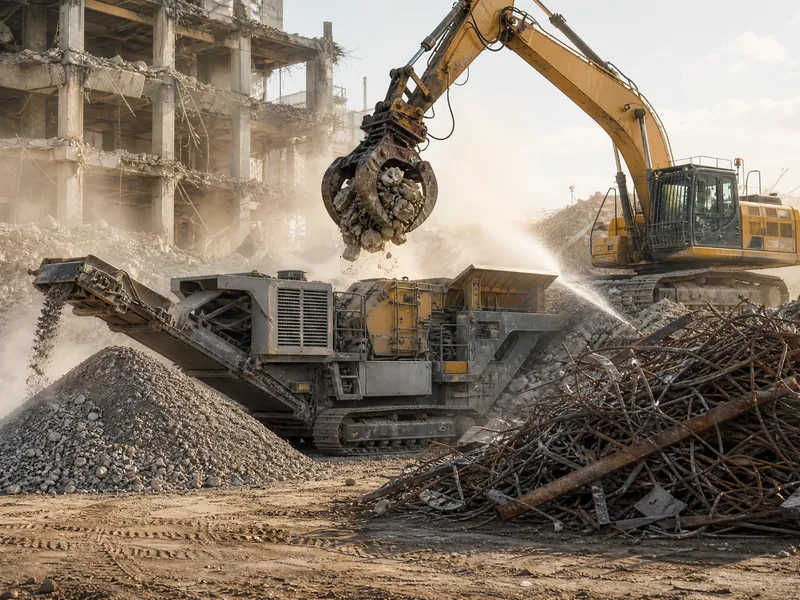
A critical component of our industrial demolition services in Newark is the systematic recovery of valuable materials. Retired manufacturing plants and power facilities contain massive quantities of structural steel, copper wiring, and specialized alloys. Instead of treating these materials as waste, our crews actively segregate and process them on-site for scrap metal recovery. We utilize mobile shears and material handlers to cut the metal into manageable sizes for efficient transport to recycling facilities.
The salvage value generated from this asset recovery process is applied directly as a credit to the client, significantly reducing the overall cost of the teardown. Our expertise in identifying and processing valuable scrap ensures that our clients receive the maximum possible financial benefit from their retired industrial assets, making the decommissioning process more cost-effective.
Permits and notification
Comprehensive Environmental Remediation
Legacy industrial sites in Newark frequently require extensive environmental remediation before structural demolition can safely begin. Industrial Demolition USA provides turnkey abatement services to address asbestos, lead, and other hazardous materials commonly found in older facilities. Our certified technicians establish secure containment zones and utilize specialized negative air pressure systems to ensure that hazardous particulates are safely captured and removed.
We handle all aspects of the remediation process, including the proper packaging, manifesting, and disposal of hazardous waste in strict compliance with NJDEP regulations. By integrating abatement directly into our demolition workflow, we eliminate the need for third-party contractors, streamlining the project schedule and ensuring a seamless transition from environmental cleanup to heavy structural wrecking.
Salvage and recovery
Site Clearing and Final Grading
The final phase of any industrial demolition project in Newark involves comprehensive site clearing and preparation. Once the primary structures have been brought down, our heavy equipment operators focus on removing foundations, concrete slabs, and subsurface utilities. We utilize mobile crushers to process the concrete rubble on-site, creating a reusable aggregate that can be utilized for backfill or exported for other construction applications.
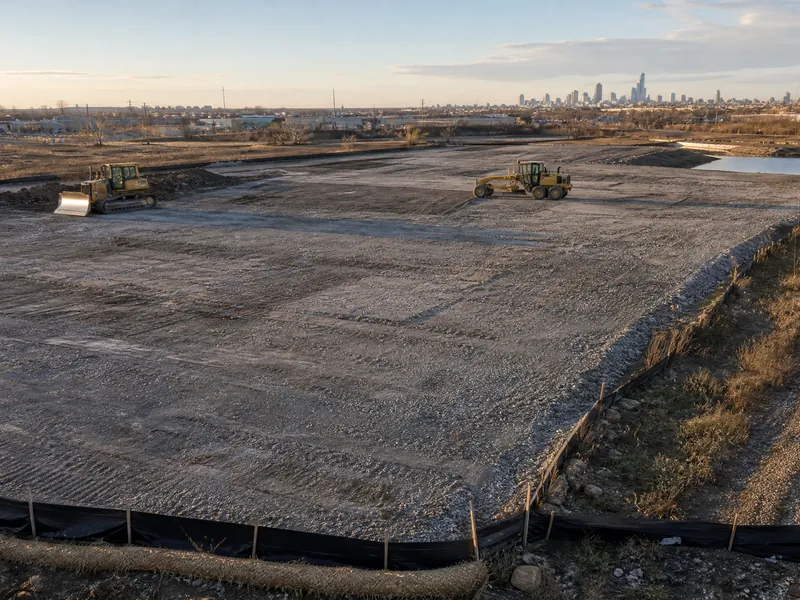
Our commitment to thorough site clearing ensures that the property is left in a safe, stable, and fully graded condition. We work closely with our clients to understand their future development plans, tailoring our final grading and compaction efforts to meet their specific requirements. Whether the site is destined for new industrial construction or commercial redevelopment, we deliver a clean slate ready for its next purpose. Our coverage extends beyond Newark to include sibling cities like Trenton, Camden, and Elizabeth, providing consistent, high-quality demolition services across the region.
Capabilities
Abatement, remediation and recovery
Common questions
Questions owners and engineers ask
What factors influence the timeline of a plant decommissioning project in Newark?
The timeline is primarily determined by the size of the facility, the extent of required environmental abatement, and the complexity of the structural dismantling. Sites with significant asbestos or complex utility networks require more time for safe preparation. We provide a detailed project schedule during the proposal phase and commit to executing the work efficiently to meet your deadlines.
How is salvage credit calculated and applied to the project cost?
We estimate the volume and market value of recoverable metals, such as steel and copper, during our initial site assessment. This estimated salvage value is factored into our proposal as a credit, which directly offsets the gross cost of the demolition work. The final credit is based on the actual weight and market rates of the materials recovered during the teardown.
Do you handle the removal of underground storage tanks during site clearing?
Yes, our comprehensive site clearing services include the safe excavation and removal of underground storage tanks (USTs). We manage the entire process, including soil testing, fluid extraction, tank removal, and the submission of all required closure documentation to the NJDEP, ensuring the site is fully compliant and free of environmental liabilities.
What measures are taken to protect adjacent properties during structural wrecking?
We employ a variety of protective measures, including the installation of vibration monitoring equipment, the erection of debris netting, and the use of precision dismantling techniques. For structures in close proximity to active operations, we may utilize controlled hand demolition or specialized attachments to carefully separate the buildings without causing damage to neighboring properties.
Who manages the permitting process for industrial demolition in New Jersey?
Industrial Demolition USA handles all aspects of the permitting process. We secure the necessary local demolition permits from the city of Newark and manage all required state and federal notifications, including NJDEP filings and NESHAP asbestos notices. Our team ensures that all regulatory approvals are in place before any deconstruction work begins.
Ready to price the teardown?
When you require a professional contractor for heavy industrial demolition and site clearing in Newark, Industrial Demolition USA delivers safe, engineered solutions. We have the experience and equipment to handle the most complex decommissioning projects. Contact us at 954-740-1983 or email electricalequipmentbuyers@gmail.com to discuss your facility and request a comprehensive proposal.